Welcome to our Carnivore / Ketovore / Keto Online Community!
Welcome to Carnivore Talk! An online community of people who have discovered the benefits of an carnviore-centric ketogenic diet with the goal of losing weight, optimizing their health, and supporting and encouraging one another. We warmly welcome you! [Read More]
re-introduced sugar
- Replies 9
- Views 1.3k
- Created
- Last Reply
Top Posters In This Topic
-
Bob 4 posts
-
Scott F. 3 posts
-
Carburetor 1 post
-
Kat 1 post




Most Popular Posts
-
If I have a little refined sugar, I find myself wanting to look for ways to slip in a little more here and a little more there. I definitely think there is an addictive aspect to it. This is in parti
-
I haven't tried fruits since I switched. The protein drinks/shakes were my first 'sugar on purpose' since I switched to carnivore. One, it made me hungrier and then that ice cram in the freezer was so
-
Carnivore ice cream is a real thing. I enjoy making it once in a while. All fat, zero carbs.
Featured Replies
Featured Content
-
"World Carnivore Month" January Challenge!
Today is the first day of January and is also the first day of World Carnivore Month. To that end, let's challenge ourselves to eat a carnivore diet for the entire month of January. The type of carnivore diet and the level of strictness you choose to do is entirely up to you. Examples of carnivore diets include the following... 1) The Lion Diet. A person eating the Lion Diet only consumes the flesh of ruminant animals, water, and salt. 2) The BBBE Diet. BBBE is an acronym for Beef, Butter, Bacon, and Eggs. 3) The Carnivore Diet. This allows for the consumption of any and all animals and animal by-products, including dairy. In any of the above examples, the object of course is to not consume any plants as part of your diet. Of course, we're not going to micromanage hoe you prepare your food, so your use of seasonings is entirely your own personal choice. IF your circumstances don't allow you to go full on carnivore in January, then you can participate in this topic by challenge yourself to do better, above and beyond what you have been doing. For example, if you have still been eating grains, seed oils, refined sugar, or drinking alcohol, challenge yourself to avoid these items and just eat a clean, single ingredient whole foods diet such as clean keto, ketovore, or animal based. We encourage you to check in daily, and share what you have eaten, perhaps a weigh-in if you're willing, and enjoy in some small talk. Participants in this topic will be entered into a drawing for a prize at the end of the month.-
- 193 replies
 Featured by Guest
 -
-
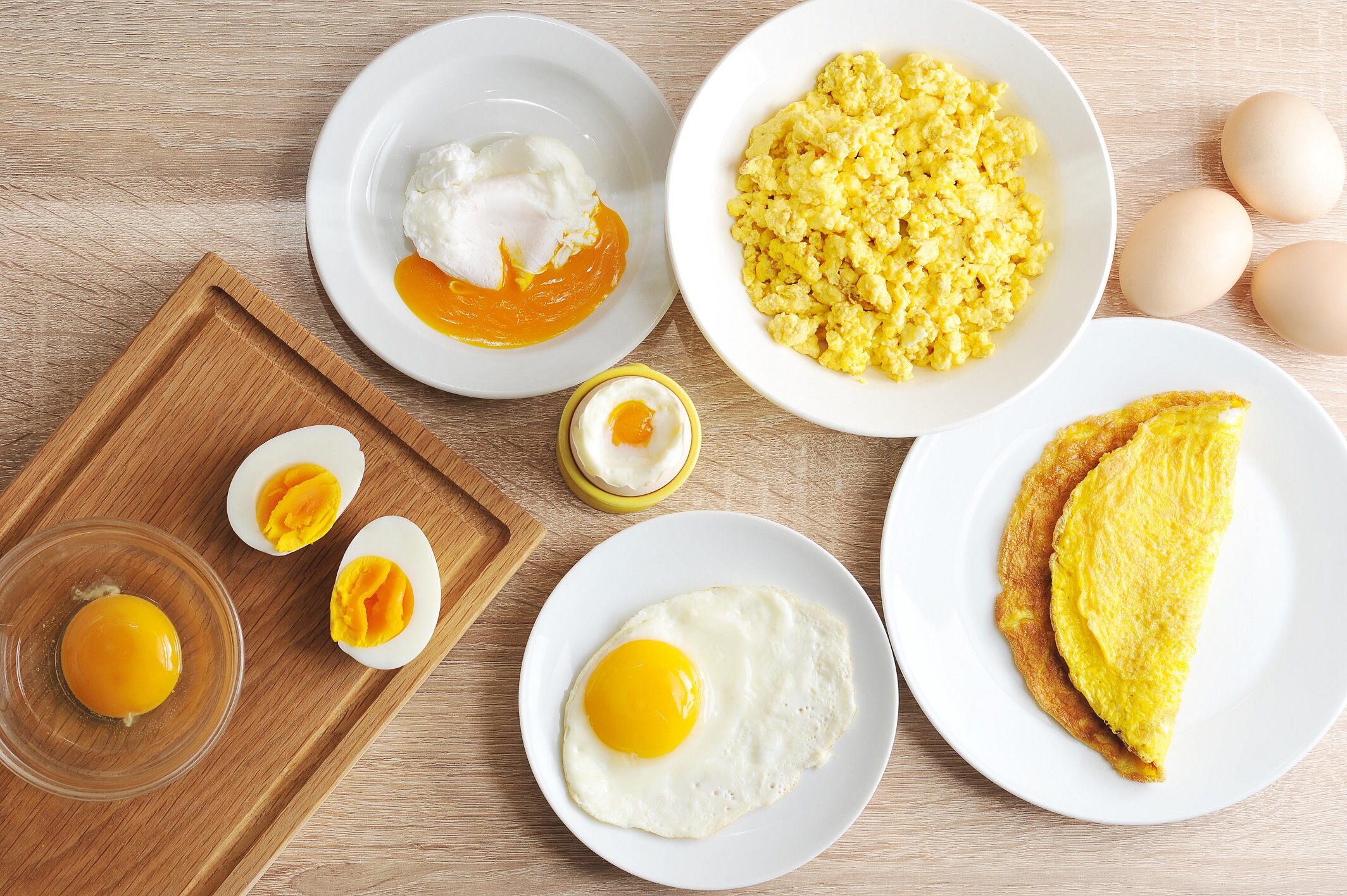
What is your favorite way to eat/prepare eggs?
Vote for your favorite way to prepare eggs!
- 45 replies
Featured by Bob


Sort of a funny but very real at the same time.
I posted earlier about using the protein drinks for the extra protein and found that they also boosted my hunger quite a bit. I have used that extra appetite to get in some more fat and protein a couple times per week. Maybe turning what could be a negative into a positive.
At first, I called it my affirmation that sugar can drive/signal hunger. I only used a little sugar but I think my body used it to signal for more which leads me to tonight's funny (very real but funny)
I have not had cravings since I started (got lucky) and I stepped away from carbs and sugars with relative ease (and I ate them by the buckets to get to well over 300lbs). Never had a craving as I walked thru the aisles at the grocery stores, even at the end caps that are designed to grab your attention. Zero cravings.
This afternoon it was over 100F when I got in the truck and night shift in the plant will not get below 100F til the early morning hours. I bought ice cream for my shift as a small gesture as they are performing well in this heat.
I walked by the freezer earlier and I now totally confused, as:
A: I have a sugar addiction I didn't see or realize, and the recent re-introduction has created this craving for that ice cream in the freezer, or...
B: I am so cheap it is killing me to know I paid $60 for ice cream and not eating any of it.
Things I ponder on night shift.
Scott