"If you're thinking about starting a carnivore diet, or you just did, you probably want a straight answer about the first month. Not the highlight reel. What it actually feels like. I went carnivore in May 2023. I'm not a doctor, and this isn't medical advice. Bodies are different, and what shows up for one person here may not show up for you. I'm writing this because the first thirty days are when a lot of people get discouraged, and a lot of what they're feeling is pretty common during the adaptation window. I already put together a longer Getting Started piece with seven practical tips, including easing in and giving it at least thirty days. This is the companion to that one. It's about the stretch between deciding to do this and starting to feel like yourself again. Week 1The first week can go a couple of different ways. Some people feel better almost right away. Head's a little clearer, less bloated, not hunting snacks every couple of hours. Others feel flattened. If you've been eating a lot of sugar and packaged carbs, your body is used to running on that. Taking it away isn't always a smooth handoff. People call it keto flu. I just think of it as the adjustment. Energy can bounce around. You might feel fine in the morning and wiped out in the afternoon, or the other way around. Sleep can be off, too. Some people sleep hard. Some wake up at 2 or 3 a.m. and lie there. That doesn't mean you did it wrong. Cravings are normal. Your head will try to talk you into "just one" of whatever you used to eat. That's usually habit and coming off the carbs, not a sign you need a bun with dinner. Digestion often changes. For some people that's looser stools. For others it's the opposite, especially if the plate is mostly lean and there isn't much fat or salt. It can take a little time for things to settle. I wouldn't panic on day three. The scale is the part that fools people. A lot of folks drop a few pounds fast in week one. A good chunk of that is water. That's fine. Just don't treat it as the pace for the rest of the month, because it usually isn't. Appetite can drop, which sounds convenient until you realize you might not be eating enough. I eat about two pounds of meat a day now, not as a rule for anybody else, but as a reminder that this way of eating works better when you actually fill up. Fatty cuts help. Chicken thighs are great, and I don't mind chicken breast either. When I eat a leaner cut like breast, I add butter or another fat so the meal isn't all lean. Keep it simple this week. Meat, salt, water. Eggs if you do well with them. Eat until you're comfortably full, not stuffed to the point of regret. Weeks 2 and 3This is the stretch I want people to be ready for. Week one can feel like a fresh start. Weeks two and three are when the novelty wears off and the adaptation is still underway. I've seen plenty of posts from people who are 27 days in and still struggling with digestion, appetite, or energy, or exhausted heading into week 4. That doesn't mean this way of eating isn't for them. It often means the first month isn't finished yet. Energy can still be uneven. You might have a good day and then a sluggish one and wonder if you broke something. Sleep might still be messy. Cravings can sneak back, especially at night or on a stressful day. The scale often slows or stalls after that early water drop. That's the point where people start bargaining with themselves. A little leftover rice in the fridge. A "just this once" dinner roll. If you're trying to give this a fair thirty days, I'd keep those half measures off the plate. I kept carbs fully off the table for my first year. You don't have to copy that, but the first month is a short window, and mixing the old foods back in makes it harder to tell what's going on. Appetite can go quiet, and that's tricky. If you're not hungry, it's easy to nibble a small portion and call it a day. I'd still sit down and eat a real meal. Comfortably full. If the meat is lean, add fat. Digestion may still be figuring itself out. If it's uncomfortable, look at the simple stuff first: enough fat, enough salt, enough food, and whether anything that doesn't belong is still sneaking in. Here's how my own first month went. I started carnivore on May 12, 2023, the same day I broke my ankle out back. I'd been doing keto and hiking trails and had dropped a few pounds, so being laid up was discouraging. Since I couldn't exercise anyway, I figured I'd give carnivore a try. I dropped the cruciferous veggies and salads and ate eggs with bacon or sausage around noon and a steak around 6 or 7 p.m. Digestion was the unpredictable part, and it lasted well past week two, more like six to eight weeks. Some stretches I felt constipated, once going nine days without a bowel movement, and when it finally came it was like gravel. Other times I couldn't get to the toilet fast enough. Like a hose on full blast. If that's you right now, you're not alone, and for me it did settle down. I also got leg cramps at night, so I started taking electrolytes later in the day. That's a whole topic on its own, and I'll get into it, including why I had to back off potassium with my CKD, in the next article. Over those six weeks of sitting in my recliner watching TV and playing PS5, I lost about 15 more pounds, my blood pressure came down, and my bone doctor said my ankle healed "super fast." That's when I was sold. I stayed strict for my whole first year. Week 4 and beyondBy the fourth week, a lot of people start to feel more like themselves. Energy evens out a bit. Sleep can improve. The constant cravings often quiet down. Meals start to feel normal instead of like an experiment. I wouldn't count on day 30 being some kind of finish line, though. Some changes show up early. Others take longer. That's why I still think a thirty-day stretch is a fair test, and also why I wouldn't stop the clock there and call it done. The benefits people talk about — feeling fuller, fewer cravings, more stable energy — usually need more than a long weekend. If you're still feeling rough at the end of the month, you're not the first. Give it an honest look before you quit, or before you assume it's a perfect fit. Sometimes the issue is too little fat, too little salt, or not enough food. Sometimes it's that you're still easing in, which is one of the approaches I laid out in the getting started article. And people land in different places on the spectrum of carnivore and animal-based eating. The first month is for learning how you respond, not for winning an argument about the strictest version. What I'd try if you're strugglingI'm not going to hand you a protocol. Here's what I'd try, and what I often suggest when someone here is having a hard time in the first month. Eat more fat. If your plate is mostly lean meat, that can leave you hungry, tired, or backed up. Add butter, tallow, or a fattier cut. You don't have to count grams. Just don't be afraid of the fat on the meat. Salt your food. A lot of people undereat salt when they drop packaged food. If you're getting headaches, feeling washed out, or craving junk, salt is one of the first things I'd look at. There's a good discussion here on managing electrolytes. Salt to taste. If you feel like you need more, you probably do. Eat until you're full. Don't portion-control yourself into a slump. I eat around two pounds of meat a day, and I'd rather see someone finish a real plate than nibble and wonder why they have no energy. Drop the half measures. Leftover rice, a bun, "just a little" of the old snacks — those make the first month harder to read and easier to abandon. If you decided to try this for thirty days, give those thirty days a clean shot. Give it time. Adaptation is uncomfortable for some people. That doesn't automatically mean you need a new plan on day twelve. Talk to your doctor if something isn't right. If symptoms are severe, or they hang on in a way that worries you, get it checked. Bloodwork can be useful if things aren't settling. I'm not a doctor, and I won't pretend to diagnose anybody over a forum post. If you want more practical starting points, there's a member guide to starting or refreshing a carnivore lifestyle. And if you're wondering where people usually get tripped up, these two are worth a look: common carnivore diet mistakes and why some people fail on carnivore. If you're in it right nowThe first thirty days are a transition, not a verdict. Some days will feel pretty good. Some won't. That's normal. If you're in the middle of it, eat your meat, salt your food, and don't judge the whole thing by one rough afternoon. I'd like to hear how your first month has gone. What surprised you, what was harder than you expected, and what actually helped. Leave it in the comments below. Those comments are shared with the Resources forum, so other people starting out will be able to read them there too. "
View full article
 Featured by Guest





If you're thinking about starting a carnivore diet, or you just did, you probably want a straight answer about the first month. Not the highlight reel. What it actually feels like.
I went carnivore in May 2023. I'm not a doctor, and this isn't medical advice. Bodies are different, and what shows up for one person here may not show up for you. I'm writing this because the first thirty days are when a lot of people get discouraged, and a lot of what they're feeling is pretty common during the adaptation window.
I already put together a longer Getting Started piece with seven practical tips, including easing in and giving it at least thirty days. This is the companion to that one. It's about the stretch between deciding to do this and starting to feel like yourself again.
Week 1
The first week can go a couple of different ways.
Some people feel better almost right away. Head's a little clearer, less bloated, not hunting snacks every couple of hours. Others feel flattened. If you've been eating a lot of sugar and packaged carbs, your body is used to running on that. Taking it away isn't always a smooth handoff. People call it keto flu. I just think of it as the adjustment.
Energy can bounce around. You might feel fine in the morning and wiped out in the afternoon, or the other way around. Sleep can be off, too. Some people sleep hard. Some wake up at 2 or 3 a.m. and lie there. That doesn't mean you did it wrong.
Cravings are normal. Your head will try to talk you into "just one" of whatever you used to eat. That's usually habit and coming off the carbs, not a sign you need a bun with dinner.
Digestion often changes. For some people that's looser stools. For others it's the opposite, especially if the plate is mostly lean and there isn't much fat or salt. It can take a little time for things to settle. I wouldn't panic on day three.
The scale is the part that fools people. A lot of folks drop a few pounds fast in week one. A good chunk of that is water. That's fine. Just don't treat it as the pace for the rest of the month, because it usually isn't.
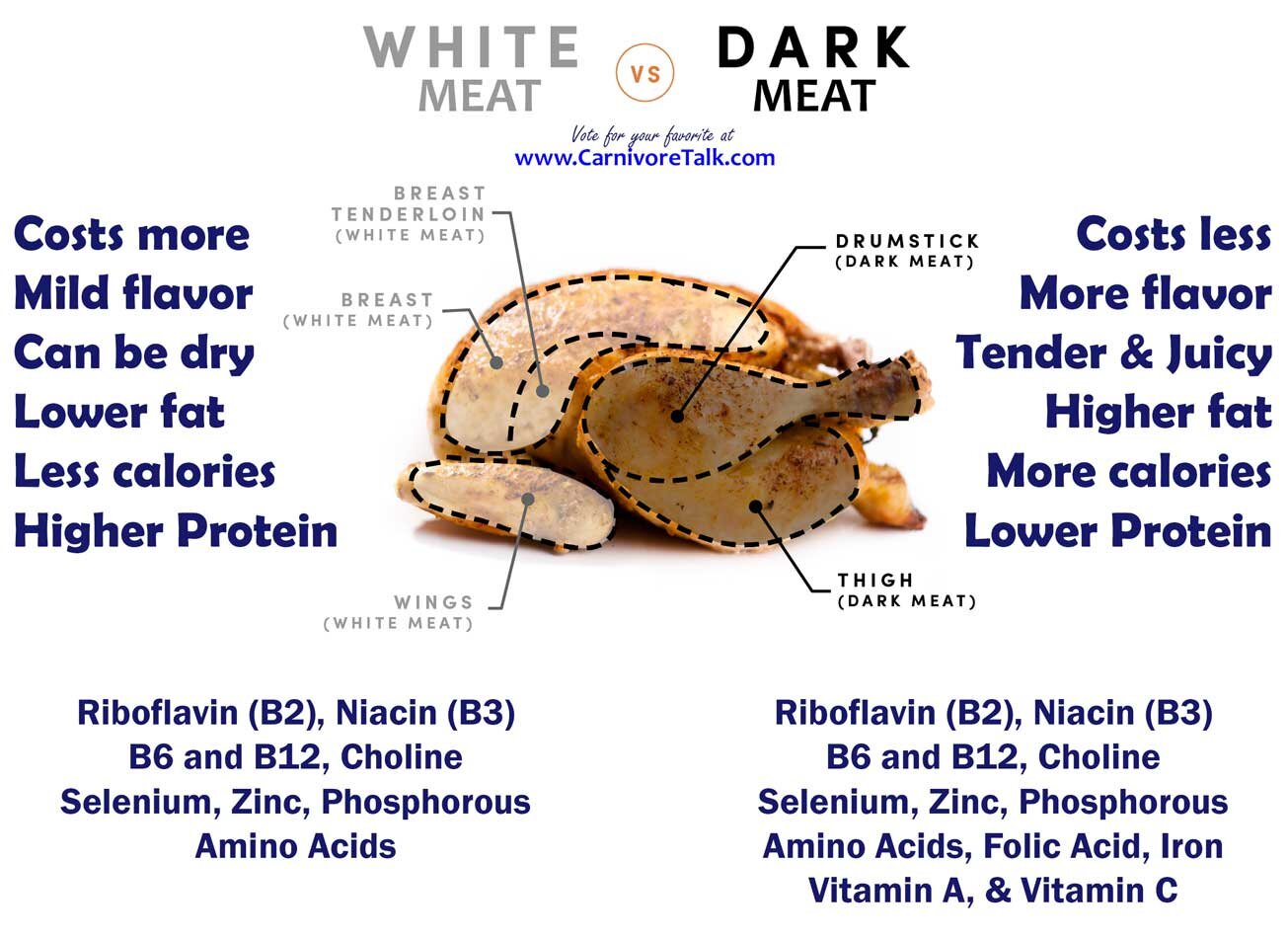
Appetite can drop, which sounds convenient until you realize you might not be eating enough. I eat about two pounds of meat a day now, not as a rule for anybody else, but as a reminder that this way of eating works better when you actually fill up. Fatty cuts help. Chicken thighs are great, and I don't mind chicken breast either. When I eat a leaner cut like breast, I add butter or another fat so the meal isn't all lean.
Keep it simple this week. Meat, salt, water. Eggs if you do well with them. Eat until you're comfortably full, not stuffed to the point of regret.
Weeks 2 and 3
This is the stretch I want people to be ready for.
Week one can feel like a fresh start. Weeks two and three are when the novelty wears off and the adaptation is still underway. I've seen plenty of posts from people who are 27 days in and still struggling with digestion, appetite, or energy, or exhausted heading into week 4. That doesn't mean this way of eating isn't for them. It often means the first month isn't finished yet.
Energy can still be uneven. You might have a good day and then a sluggish one and wonder if you broke something. Sleep might still be messy. Cravings can sneak back, especially at night or on a stressful day.
The scale often slows or stalls after that early water drop. That's the point where people start bargaining with themselves. A little leftover rice in the fridge. A "just this once" dinner roll. If you're trying to give this a fair thirty days, I'd keep those half measures off the plate. I kept carbs fully off the table for my first year. You don't have to copy that, but the first month is a short window, and mixing the old foods back in makes it harder to tell what's going on.
Appetite can go quiet, and that's tricky. If you're not hungry, it's easy to nibble a small portion and call it a day. I'd still sit down and eat a real meal. Comfortably full. If the meat is lean, add fat.
Digestion may still be figuring itself out. If it's uncomfortable, look at the simple stuff first: enough fat, enough salt, enough food, and whether anything that doesn't belong is still sneaking in.
Here's how my own first month went. I started carnivore on May 12, 2023, the same day I broke my ankle out back. I'd been doing keto and hiking trails and had dropped a few pounds, so being laid up was discouraging. Since I couldn't exercise anyway, I figured I'd give carnivore a try. I dropped the cruciferous veggies and salads and ate eggs with bacon or sausage around noon and a steak around 6 or 7 p.m.
Digestion was the unpredictable part, and it lasted well past week two, more like six to eight weeks. Some stretches I felt constipated, once going nine days without a bowel movement, and when it finally came it was like gravel. Other times I couldn't get to the toilet fast enough. Like a hose on full blast. If that's you right now, you're not alone, and for me it did settle down.
I also got leg cramps at night, so I started taking electrolytes later in the day. That's a whole topic on its own, and I'll get into it, including why I had to back off potassium with my CKD, in the next article.
Over those six weeks of sitting in my recliner watching TV and playing PS5, I lost about 15 more pounds, my blood pressure came down, and my bone doctor said my ankle healed "super fast." That's when I was sold. I stayed strict for my whole first year.
Week 4 and beyond
By the fourth week, a lot of people start to feel more like themselves. Energy evens out a bit. Sleep can improve. The constant cravings often quiet down. Meals start to feel normal instead of like an experiment.
I wouldn't count on day 30 being some kind of finish line, though. Some changes show up early. Others take longer. That's why I still think a thirty-day stretch is a fair test, and also why I wouldn't stop the clock there and call it done. The benefits people talk about — feeling fuller, fewer cravings, more stable energy — usually need more than a long weekend.
If you're still feeling rough at the end of the month, you're not the first. Give it an honest look before you quit, or before you assume it's a perfect fit. Sometimes the issue is too little fat, too little salt, or not enough food. Sometimes it's that you're still easing in, which is one of the approaches I laid out in the getting started article. And people land in different places on the spectrum of carnivore and animal-based eating. The first month is for learning how you respond, not for winning an argument about the strictest version.
What I'd try if you're struggling
I'm not going to hand you a protocol. Here's what I'd try, and what I often suggest when someone here is having a hard time in the first month.
Eat more fat. If your plate is mostly lean meat, that can leave you hungry, tired, or backed up. Add butter, tallow, or a fattier cut. You don't have to count grams. Just don't be afraid of the fat on the meat.
Salt your food. A lot of people undereat salt when they drop packaged food. If you're getting headaches, feeling washed out, or craving junk, salt is one of the first things I'd look at. There's a good discussion here on managing electrolytes. Salt to taste. If you feel like you need more, you probably do.
Eat until you're full. Don't portion-control yourself into a slump. I eat around two pounds of meat a day, and I'd rather see someone finish a real plate than nibble and wonder why they have no energy.
Drop the half measures. Leftover rice, a bun, "just a little" of the old snacks — those make the first month harder to read and easier to abandon. If you decided to try this for thirty days, give those thirty days a clean shot.
Give it time. Adaptation is uncomfortable for some people. That doesn't automatically mean you need a new plan on day twelve.
Talk to your doctor if something isn't right. If symptoms are severe, or they hang on in a way that worries you, get it checked. Bloodwork can be useful if things aren't settling. I'm not a doctor, and I won't pretend to diagnose anybody over a forum post.
If you want more practical starting points, there's a member guide to starting or refreshing a carnivore lifestyle. And if you're wondering where people usually get tripped up, these two are worth a look: common carnivore diet mistakes and why some people fail on carnivore.
If you're in it right now
The first thirty days are a transition, not a verdict. Some days will feel pretty good. Some won't. That's normal.
If you're in the middle of it, eat your meat, salt your food, and don't judge the whole thing by one rough afternoon.
I'd like to hear how your first month has gone. What surprised you, what was harder than you expected, and what actually helped. Leave it in the comments below. Those comments are shared with the Resources forum, so other people starting out will be able to read them there too.
"View full article