Welcome to our Carnivore / Ketovore / Keto Online Community!
Welcome to Carnivore Talk! An online community of people who have discovered the benefits of an carnviore-centric ketogenic diet with the goal of losing weight, optimizing their health, and supporting and encouraging one another. We warmly welcome you! [Read More]
A Brief Overview of a the Various Low Carb Diets [Article]
- Replies 7
- Views 2k
- Created
- Last Reply



Most Popular Posts
-
I call my way of eating The Wolf Diet. It's almost exclusively carnivore but I don't stress out over spices, tea, and a seriously occasional avocado or handful of berries. I call it the Wolf Diet be
-
Yes, I don't think any self respecting cave person would turn down some ripe fruit in season. My friend has berry bushes that produce like crazy for a few weeks in August each year and she gives them
-
Yes he is right that, in general, fruit has the lowest amount of anti-nutrients and irritants in it compared to other plant parts that are more heavily defended. I don't exclude green veg or roots fr
Featured Replies
Featured Content
-
"World Carnivore Month" January Challenge!
Today is the first day of January and is also the first day of World Carnivore Month. To that end, let's challenge ourselves to eat a carnivore diet for the entire month of January. The type of carnivore diet and the level of strictness you choose to do is entirely up to you. Examples of carnivore diets include the following... 1) The Lion Diet. A person eating the Lion Diet only consumes the flesh of ruminant animals, water, and salt. 2) The BBBE Diet. BBBE is an acronym for Beef, Butter, Bacon, and Eggs. 3) The Carnivore Diet. This allows for the consumption of any and all animals and animal by-products, including dairy. In any of the above examples, the object of course is to not consume any plants as part of your diet. Of course, we're not going to micromanage hoe you prepare your food, so your use of seasonings is entirely your own personal choice. IF your circumstances don't allow you to go full on carnivore in January, then you can participate in this topic by challenge yourself to do better, above and beyond what you have been doing. For example, if you have still been eating grains, seed oils, refined sugar, or drinking alcohol, challenge yourself to avoid these items and just eat a clean, single ingredient whole foods diet such as clean keto, ketovore, or animal based. We encourage you to check in daily, and share what you have eaten, perhaps a weigh-in if you're willing, and enjoy in some small talk. Participants in this topic will be entered into a drawing for a prize at the end of the month.-
- 193 replies
 Featured by Guest
 -
-
What is your favorite way to eat/prepare eggs?
Vote for your favorite way to prepare eggs!
- 45 replies
Featured by Bob



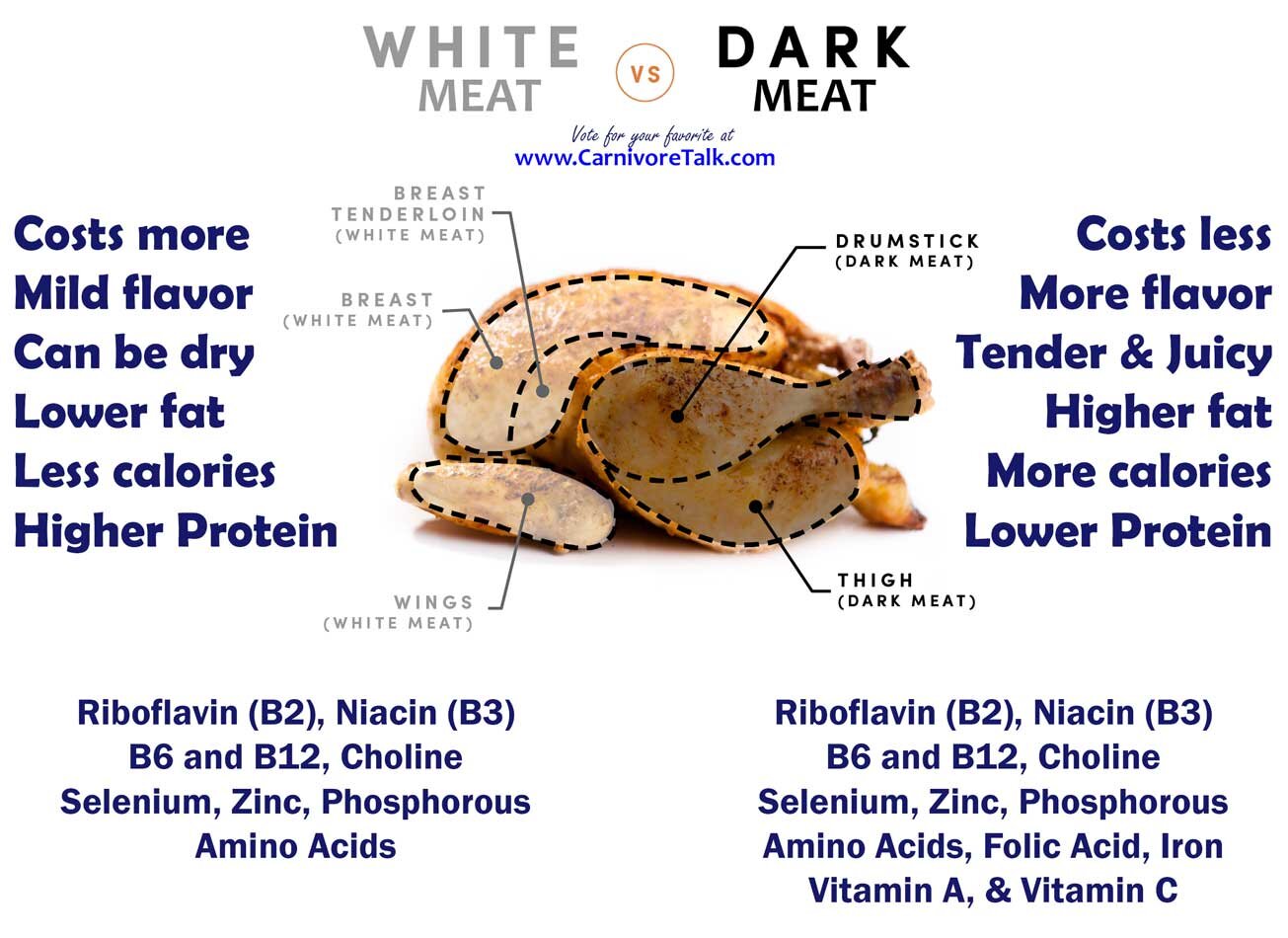

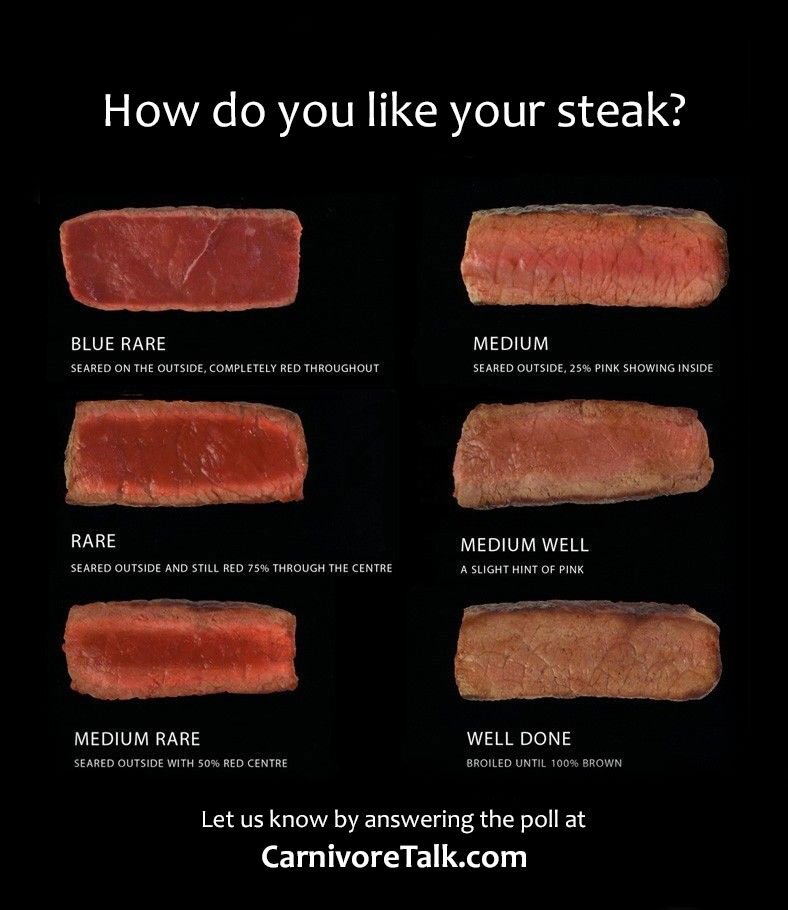
A low-carb diet is a dietary approach that emphasizes the reduction of carbohydrate intake, particularly from sources such as grains, starchy vegetables, fruits, and sugary foods. The main idea behind a low-carb diet is to reduce the intake of carbohydrates, which are broken down into glucose (sugar) in the body and can lead to fluctuations in blood sugar levels and insulin production. By limiting carbohydrate intake, the body is encouraged to use other sources of energy for fuel, primarily fat, including your own stored fat.
The specific level of carbohydrate restriction can vary, but generally, a low-carb diet involves significantly reducing the intake of foods like bread, pasta, rice, cereal, and sugary snacks. Instead, individuals following a low-carb diet often focus on consuming foods high in protein, healthy fats, and non-starchy vegetables. Examples of foods allowed on a low-carb diet include:
It's important to note that there are variations of low-carb diets. Some common variations of low-carb diets include:
Atkins Diet: Developed by Dr. Robert Atkins, this diet restricts carbohydrate intake, but it has different phases that gradually increase carb intake as you progress through the plan. The initial phase is extremely low in carbs to induce weight loss and ketosis, while later phases reintroduce more carbs while still emphasizing protein and healthy fats.
Low Carb Diet: A general low carb diet aims to keep the total of carbohydrates consumed each day under 100g per day. This closely mirrors the 4th and final phase of the Atkins approach, called the Maintenance plan. Some people on a low carb diet will eat anything as long as they stay under their carbohydrate goals, including processed foods.
Ketogenic Diet (Keto): This is one of the most well-known low-carb diets. It involves drastically reducing carbohydrate intake to a point where the body enters a state of ketosis, usually under 20 actual carbs per day. In ketosis, the body switches from using glucose as its primary energy source to using ketones, which are produced from fat breakdown. Keto dieters aim to eat only fresh, whole, single-ingredient foods that have gone from farm to table, bypassing a manufacturer who may have processed it, with a few exceptions. This means no sugar and no grain in general.
Dirty Keto: This is a hybrid between True Keto and general low carb diets. Those on a "Dirty Keto" diet are usually willing to keep their carbohydrate intake very low, but aren't willing to give up processed food and grains. They bend the rules a bit by counting what is often referred to as "net carbs" instead of actual carbs. Some manufacturers, in order to sell their products, will claim that since certain ingredients they use are low on the glycemic index, or aren't technically sugar, that they shouldn't count the same as regular carbs. While this isn't true, many people still find success by only eating things that are low on the glycemic index.
Carnivore Diet: A dietary approach that consists almost entirely of animal products, to the exclusion of most plant-based foods due to their natural defense chemicals and toxins. It's often thought of as the ultimate ketogenic diet, getting as close to zero carb as possible. Those following a carnivore diet typically consume various types of meat, such as beef, poultry, pork, and fish, but will usually place emphasis on ruminant animals. The diet completely excludes carbohydrates from sources like grains, fruits, vegetables, and legumes.
Ketovore Diet: This dietary approach is a hybrid between a true Keto and carnivore diet. This lifestyle places emphasis on consuming mostly animal-based foods, but isn't opposed to occasional fresh low carb vegetables. The ketovore dieter will usually try to stay under 10 grams of carbs per day during their weight loss journey, but once they have reached their goals some may incorporate fruit into their diet, thus becoming a Paleolithic dieter.
Paleolithic (Paleo) Diet: While not solely a low-carb diet, the Paleo diet emphasizes whole foods and eliminates processed foods, grains, and legumes. This naturally results in a reduced carb intake and places greater emphasis on protein, vegetables, fruits, and healthy fats.
People choose to follow low-carb diets for various reasons, including weight loss, blood sugar control, and to manage or reverse such medical conditions like diabetes, metabolic syndrome, and high blood pressure.
View full article