Bob
Community Manager
-
Joined
-
Last visited
Everything posted by Bob
-
-
Yes, I completely agree. It was the same with me. I was a yo-yo dieter, on and off keto for most of my adult life. Then as new medical issues and conditions started to pop up, that's when I knew I had to make a change and make it permanent, and hope it wasn't "too late". Fortunately, besides my kidneys, everything else has gone away almost like magic.
-
I've lost 50 lbs and am down to my last 10. And boy are they not wanting to let go, lol. So I understand 🙂 I like Carb Manager (and before that I used LoseIt). I get lazy about tracking after a while because my eating pattern and what I eat is pretty consistent from day to day, so it gets redundant, lol.
-
-
Same here @Sherry & @Geezy. I'm still looked at like I am a little bit crazy, lol, even though I have lost 50 pounds and have the sustained energy to do anything. My wife boasts that she "can eat whatever she wants" but is on a zillion pills and after work is glued to the chair. She always played short-order cook for my son, making him something special that he would eat that was different from what the other three of us were having. Now this kid subsists completely on cereal, spaghetti, Slim Jim's, and Wendy's cheeseburgers plain with meat and cheese and bun only. At least he gets some meat, and he will have some fruit occasionally. I was really trying to set the example for my daughter who is morbidly obese. She pays attention once in a while, and sometimes I think I am making some headway. I watch carnivore videos in front of her all the time and she does take notice sometimes. But she is addicted to the standard American diet, and makes claims that she has mental issues and that "food is her comfort". She's not a fan of red meat though and burns out quickly since I make it all the time.
-
This is a really great article until the last sentence, which makes an inaccurate statement for the sole purpose of dogging a low carb or keto diet. Just ignore that part, lol ------------------------------------------------------------ Intermittent fasting could boost immunity in addition to melting fat By Grace Wade Intermittent fasting could make immune cells more effective in fighting pathogens and cancers Shutterstock/Nok Lek Travel Lifestyle© Provided by New Scientist Intermittent fasting has become all the rage in recent years because it promotes weight loss by depriving the body of glucose, which forces it to break down fat to produce an alternative fuel source called ketones. Intermittent fasting could also boost immunity and help combat disease, going by a finding in mice showing that immune cells more effectively fend off infections and cancer when using ketones as an energy source. It is widely believed that cells prefer glucose for energy. However, Russell Jones at the Van Andel Institute in Michigan and his colleagues previously found that certain immune cells that combat pathogens, called T cells, don’t produce much energy using glucose. “We said, 'well this is weird,'” says Jones. “These cells need lots of energy. So, what are they using to make [it]?” He and his colleagues collected data from three other studies that genetically analysed T cells responding to infections and tumours. They found that, compared with dysfunctional T cells, effective T cells had increased activity in genes involved in breaking down ketones, indicating that they derived energy from ketones when fighting disease. Next, the researchers genetically engineered three mice so that they couldn’t break down ketones and compared their response to an infection with an equal number of mice that could. They found that, on average, the normal mice had 50 per cent more T cells producing substances to kill off pathogens, called cytokines, than the engineered animals, and that these animals could churn out more cytokines per T cell as well. In other words, the ability to break down ketones made T cells more effective at fighting off infections in mice. Or, as Jones says, it increased the number of soldiers and ammunition on the front line. Jones and his team also injected cancerous cells into the mice and found that after 22 days, tumours in the mice that were unable to break down ketones were twice the size of those in the mice that could. Together, these findings suggest that immune cells are more effective at fighting disease when using ketones rather than glucose for fuel, says Jones. They also explain why previous research has shown that fasting for 12 or more hours daily improves immune function in mice, says Satchidananda Panda at the Salk Institute for Biological Studies in California, who was not involved in the study. Additionally, the results could help us understand how dietary interventions that boost ketone production, such as intermittent fasting, may affect our ability to fight off infections and cancer, says Jones. However, he cautions that not all ketone-producing diets have the same effects. For instance, the low-carbohydrate ketogenic diet may impair immunity as high levels of fat can suppress immune cells, he says. Journal reference: Immunity DOI: 10.1016/j.immuni.2023.07.002 ARTICLE SOURCE: https://www.msn.com/en-us/health/medical/intermittent-fasting-could-boost-immunity-in-addition-to-melting-fat/ar-AA1eukpJ

-
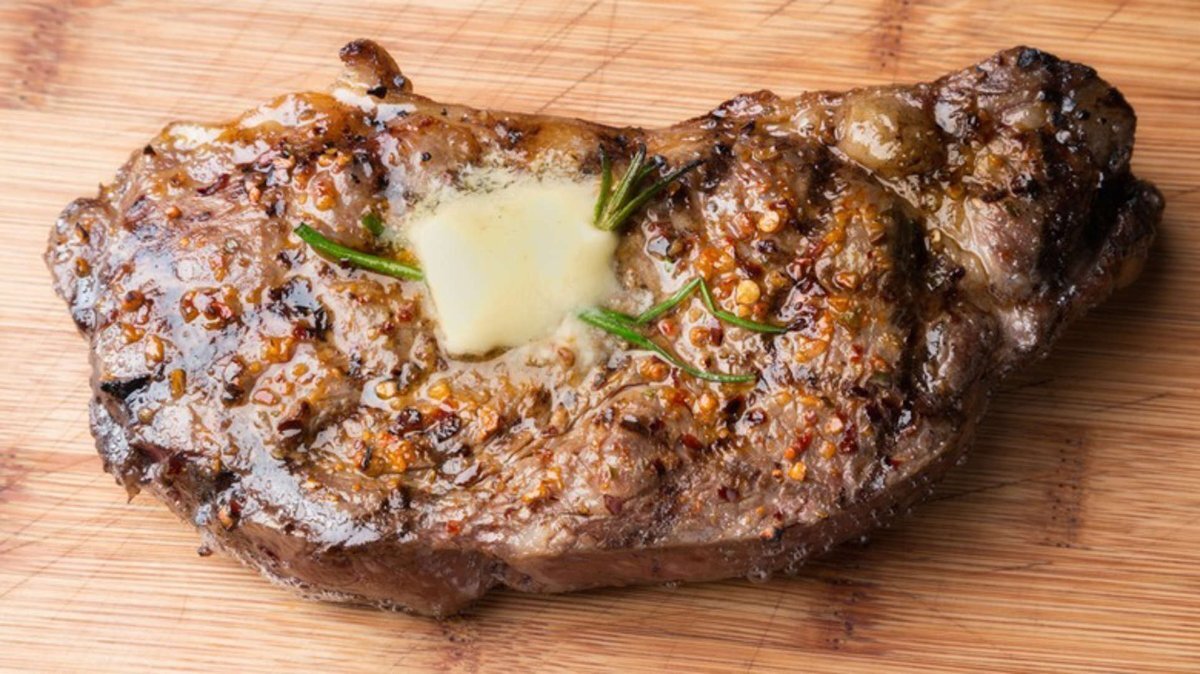
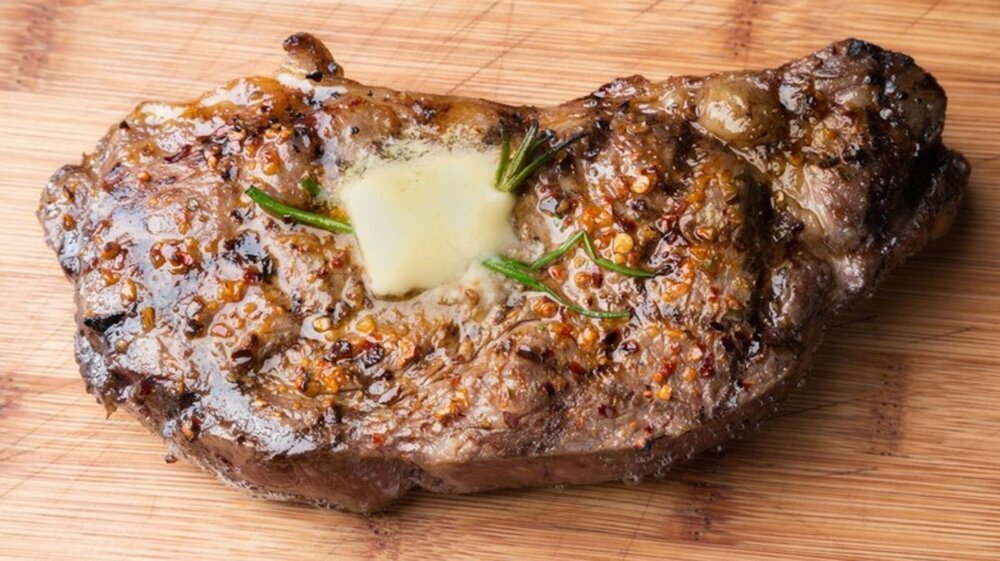
The Best Way To Reheat Steak, According To Omaha Steaks Executive Chef David Rose – Exclusive BY OLIVIA BRIA/DEC. 25, 2023 11:15 AM EST Grandriver/Getty Leftovers can be the best part of cooking and eating out. Who doesn't love heating up last night's fettuccine alfredo for lunch the next day? Unfortunately, reheating food doesn't always result in the flavor of the food you had the evening before, and sometimes, you end up overcooking it. If you put steak in the microwave, it will cook more, which could result in a medium cut turning into medium well. So, how do you reheat this protein to perfection? Executive Chef for Omaha Steaks, David Rose, advises using a cast iron pan for optimal flavor. "Slice that nice hunk [of] steak off and use a nice, rip-roaring cast iron pan to get that steak to room temperature," he remarks in an exclusive interview with Mashed. Getting your steak to room temperature is the key to reheating it. If the meat is at a fridge temperature, you risk burning it. Stay away from the microwave Azmanl/Getty Images "[The steak is already] at the temperature you made it before," David Rowe said. He told Mashed to "stay far away from the microwave" when it comes to roasts, steaks, and red meat. The oven or a cast iron pan works best. At this point, you'll want to add some more olive oil or butter and sear the steak as when originally cooked. Don't do it at too low heat, though, as a quick pan fry will do the job just fine. Heat until the steak reaches the desired temperature, and you will have a revived, juicy steak. Rose also advises staying true to the aforementioned steps, adding, "There are a million different ways to do it." Read this article to understand the mistakes everyone makes when reheating steak before learning the best trick for reheating steak. Whichever method is the best tasting for you is the one that works! ARTICLE SOURCE: https://www.mashed.com/1478185/best-way-to-reheat-steak-according-david-rose-interview/ ----------------------------------------------- Static Media Terms at the time of posting: "You are not permitted to reproduce Static Media Content in any online website or distribution method (e.g., online forums, mailing lists or newsgroups) if for any reason (including any third party technical or legal restrictions) you do not provide a link back to the specific URL of the Static Media Content. So once again, ARTICLE SOURCE: https://www.mashed.com/1478185/best-way-to-reheat-steak-according-david-rose-interview/ -----------------------------------------------

-
That was actually in the works back in September but it got pushed aside. I had started to create a section much like the Articles section for recipes, with the possibility of them auto-crossposting in a forum (like Articles and Downloads automatically crossposts to the Articles & Resources forum). Then, a 3rd party dev showed me a Recipes plugin he created, which looks interesting. And lastly, being a new community, I don't want to open too many forums right away. A bunch of forums with very few posts looks discouraging, so it's better to add forums as the need arises. So if we have the desire to share a bunch of recipes and organize them, then maybe it's time I wrap up the programming on that section and make it live.
-
I know you are talking to Geoff but the basics are 1/4 cup of shredded cheese for every 1 egg. From that starting point you can season it if desired or add a little almond flour for a more "bread" like texture. Of course, almond flour moves the recipe from being carnivore to being keto. For me, the turkey sausage is alright if I am having it in an omelet or mixed up with other things. But I tried to buy the turkey sausage patties once and eat them straight and honestly I will probably only do that with pork sausage moving forward. The turkey sausage just didn't have the same great taste to me 🙂
-
-
The key is if you stumble, you just get back up and start eating on plan right away. And by right away we mean the very next meal. Don't think you can automatically cancel the whole day because you slipped off plan just this once. And don't let yourself think "I'll start fresh next week" or "I'll just make this my new years resolution" as that thinking can be detrimental. The longer you stay off plan, the more difficult it is to get back on plan and stay committed.
-
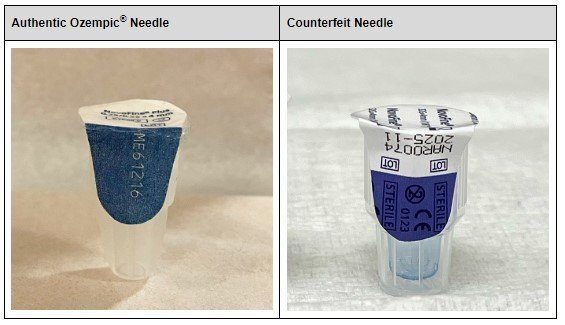
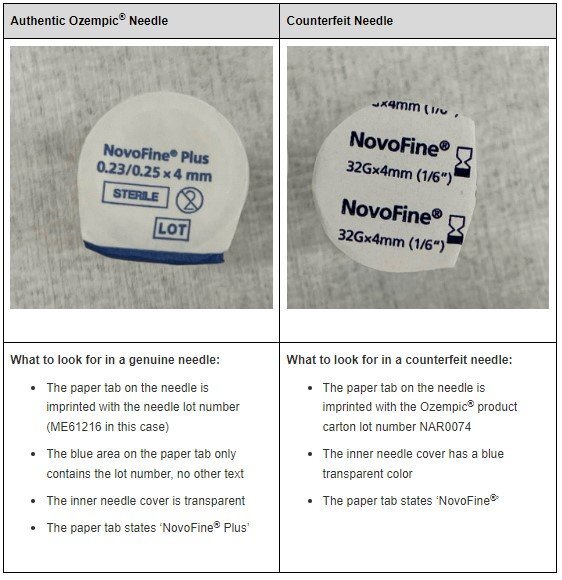
FDA warns consumers not to use counterfeit Ozempic (semaglutide) found in U.S. drug supply chain [12/21/2023] FDA continues to investigate counterfeit Ozempic (semaglutide) injection 1 milligram (mg) in the legitimate U.S. drug supply chain and has seized thousands of units of the product. The agency advises wholesalers, retail pharmacies, health care practitioners and patients to check the product they have received and not distribute, use, or sell products labeled with lot number NAR0074 and serial number 430834149057 as pictured below. Some counterfeit products may still be available for purchase. FDA and Novo Nordisk (manufacturer of Ozempic) are testing the seized products and do not yet have information about the drugs’ identity, quality, or safety. Additionally, analysis found the needles from the samples are counterfeit. Accordingly, the sterility of the needles cannot be confirmed, which presents an increased risk of infection for patients who use the counterfeit products. Based on analyses completed to date, other confirmed counterfeit components within the seized products are the pen label, accompanying health care professional and patient information, and carton. FDA is aware of five adverse events from this lot, none of which are serious and are consistent with known common adverse reactions to authentic Ozempic, which are nausea, vomiting, diarrhea, abdominal pain and constipation. FDA recommends retail pharmacies only purchase authentic Ozempic through authorized distributors of Novo NordiskExternal Link Disclaimer and review the photographs and information to confirm the legitimacy of their shipments. Patients should only obtain Ozempic with a valid prescription through state-licensed pharmacies and check the product before using for any signs of counterfeiting. FDA takes reports of possible counterfeit products seriously and works closely with other federal agencies and the private sector to help protect the nation’s drug supply. FDA’s investigation is ongoing, and the agency is working with Novo Nordisk to identify, investigate, and remove further suspected counterfeit semaglutide injectable products found in the U.S. Health care professionals and consumers should report adverse events or side effects related to the use of this product to FDA’s MedWatch Safety Information and Adverse Event Reporting Program: Complete and submit the report online at MedWatch Online Voluntary Reporting Form or Download and complete the form, then submit it via fax at 1-800-FDA-0178. Entities, including online sellers, selling counterfeit and/or tampered medicines should be reported to FDA. Suspected counterfeit products may be reported to FDA by calling your local FDA consumer complaint coordinator or by reporting it directly at report suspected criminal activity. Retailers and patients may also contact Novo Nordisk customer care at 1-800-727-6500 Monday through Friday from 8:30 a.m. to 6 p.m. ET with questions or concerns. Visuals of authentic and counterfeit needles are shown below: More Information: Medications Containing Semaglutide Marketed for Type 2 Diabetes or Weight Loss ARTICLE SOURCE: https://www.fda.gov/drugs/drug-safety-and-availability/fda-warns-consumers-not-use-counterfeit-ozempic-semaglutide-found-us-drug-supply-chain

-
-
I do think the cost of higher education is way out of hand. But I think that is true with the cost of a lot of things these days. But I do think it's worth mentioning that many of these college degrees won't net you much more income than a career in the skilled trades also can. You can apprentice under a journeyman for 4-5 years and master a craft, then start making a pretty penny for yourself. The time invested in learning is the same, whether you apprentice or your go to college, but apprenticing to learn a skilled trade will not put you into massive debt.
-
-
Unfortunately, doctors only repeat what they have heard in a traditional school of medicine. The truth is red meat has been a staple for humans for almost forever. Only in recent times has it been condemned, but condemning red meat doesn't have a solid foundation. It has it's roots in the "Diet Heart Hypothesis", which is the concept that diet, serum cholesterol and cardiovascular disease are causally related. However, this has been debunked by several studies, like this one for example. And then there is the plant-based/vegan agenda that is being foisted on people these days. Fatty red meat is a nutrition power house, and saturated fat is actually good for you, and too low of levels of cholesterol will have long term consequences. Now don't get me wrong. Chicken is also fantastic, and some people actually prefer other meats to red meat, and that is okay.
-
I researched this keenly before settling on Zentastic 4-in-1 Magnesium Complex, and I get it from Amazon... https://www.amazon.com/Zentastic-Triple-Magnesium-Relaxation-Absorption/dp/B0BC84FL5C It has Magnesium Glycinate, Magnesium Taurate, Magnesium Lactate, and Magnesium Malate. I purposely avoid Magnesium Citrate because my bowels are loose enough as it is, lol. And then I have heard from a couple of Dr. Berry's PHD coaches that Magnesium Oxide isn't very bioavailable.
-
Ketone levels can fluctuate. This could be due to fasting, exercise, sleep patterns, stress levels, etc. There isn’t really any benefit to higher ketone levels. Whether you are getting low readings or high readings, it shows we are burning fat for fuel. I don't think I would measure after eating a meal. Your insulin goes up, and you may convert some of that protein to glucose. There is something called the 'dawn phenomenon' which is when your blood sugar levels are running high when you wake up in the morning. So if you test shortly after waking for the day you might get disappointing results. I would try waiting for 2+ hours after waking up and before having a meal to see if it makes a difference.
-
Not regularly. I get beef liver once every few months. I do wish I got it more often. We have a local place called Duma's Meats that sells it fresh and on the cheap. IF you can find it at a regular grocery store, it's usually frozen and about twice the price. I do desire to eat it more often than I do. This is probably your choice. You could have an 8oz or more portion once a week, or you could break that up into daily portions. I know people who can't stand the taste of liver, so when they buy it they dice it up and freeze it and pop it like a pill each day (raw). Paul Saladino lists the organs he eats each day in his Animal-Based guide.... https://www.paulsaladinomd.co/ab-guide And he also wrote this guest article on this blog here... https://daveasprey.com/how-to-eat-organ-meats/ He's eating about 3-5 ounces of various organ meats (liver, kidney, heart) on the daily. Welcome aboard! 🙂
-
-
Or, you think you're constipated. When someone starts keto, especially carnivore or very carnivore-centric keto, there is an adaptation period that could last a few weeks. For almost a month, I might only sit down and go #2 maybe once or twice a week. And it would alternate between diarrhea or passing driveway gravel. But eventually it returned to a more normal consistency. But, I still only go about twice a week. This is much different from when I was thoughtlessly eating anything and everything on the standard American diet and would go sit down and do #2 at least once daily, and usually more. I used to have ulcerative colitis, and sometimes would have to go 10-20 times in a day, so I really really appreciate my new normal, lol. Geoff nailed it on the kidneys. Since you no longer eat carboHYDRATEs, you are expelling excess water and salts. So be sure to drink as needed and salt your food to taste. And as he suggested you might want an electrolyte supplement. He drinks LMNT and I take magnesium as needed.
-
-
-
View File The Fat of the Land (PDF) - Vilhjalmur Stefansson This book is essential reading for anyone who wishes to eat an all-meat diet or wants to learn more about the health benefits of a low-carbohydrate diet of meat and fish. Arctic explorer and anthropologist Vilhjálmur Stefánsson spent years living with indigenous Inuit and Eskimo people. He noted their general healthiness (and good teeth), and an absence of many of the diseases that plagued western cultures, such as scurvy, heart disease, and diabetes. Observing their dietary habits, he determined that their primary food was meat, both lean and fatty, and that their diets were very low in sugary or starchy carbohydrates. Was this meaty diet the key to their good health? The book chronicles a 1928 scientific experiment, conducted by the Russell Sage Institute of Pathology at Bellevue Hospital in New York, in which Stefansson and his colleague Dr. Karsten Andersen ate a meat-only diet for one year. The two men stayed healthy and fared very well, leading him to claim that we should reexamine our notion of what foods constitute a healthy diet. Later chapters promote the benefits of pemmican, a compact, portable, and high-energy food consisting of a concentrated mix of fat and protein made from dried lean bison meat, sometimes mixed with berries. Pemmican is like the original energy bar, and Stefansson spent considerable time and energy urging the military to adopt it for emergency rations. Submitter Bob Submitted 12/18/2023 Category Books
-
 This book is essential reading for anyone who wishes to eat an all-meat diet or wants to learn more about the health benefits of a low-carbohydrate diet of meat and fish. Arctic explorer and anthropologist Vilhjálmur Stefánsson spent years living with indigenous Inuit and Eskimo people. He noted their general healthiness (and good teeth), and an absence of many of the diseases that plagued western cultures, such as scurvy, heart disease, and diabetes. Observing their dietary habits, he determined that their primary food was meat, both lean and fatty, and that their diets were very low in sugary or starchy carbohydrates. Was this meaty diet the key to their good health? The book chronicles a 1928 scientific experiment, conducted by the Russell Sage Institute of Pathology at Bellevue Hospital in New York, in which Stefansson and his colleague Dr. Karsten Andersen ate a meat-only diet for one year. The two men stayed healthy and fared very well, leading him to claim that we should reexamine our notion of what foods constitute a healthy diet. Later chapters promote the benefits of pemmican, a compact, portable, and high-energy food consisting of a concentrated mix of fat and protein made from dried lean bison meat, sometimes mixed with berries. Pemmican is like the original energy bar, and Stefansson spent considerable time and energy urging the military to adopt it for emergency rations.