Bob
Community Manager
-
Joined
-
Last visited
Everything posted by Bob
-
-
The only vegetables that I can think of that I actually enjoy raw is green pepper, and cucumber, but those should be thought of as fruits, just like a tomato is acknowledged to be a fruit, and is tasty. Most fruits are, most vegetables aren't. I almost wanted to add cauliflower and broccoli to this list but then I thought about it and yeah, I would rather dip in in ranch or cook it and serve it with butter and salt. Did he? It almost sounds like he was onto this carnivore thing before you 🙂
-
We have 2 places near me that make an awesome seafood boil. I can be all in minus the potatoes and corn. I'll do snowcrab legs, shrimp, mussells, and scallops. I'll even do 6 or 12 raw oysters as an appetizer. Scallops are my favorite. I was buying them and making them at home regularly one week and kept gaining weight. Perplexed, I looked them up and it actually turns out that there are 7 carbs for every 3 giant sea scallops. And I was woofin' down more than 3, lol. So even though they are carnivore, they are back to occasional treat status.
-
I got some turkey sausage and had 4 patties this morning. It wasn't satisfying so I chased it down with 6 pork sausage links, lol. For lunch I just snacked on some pork rinds because I was driving and couldn't eat the sardines I packed while in motion. For dinner, I grilled the wife and I some bone-in NY Strip steaks. She made Brussell sprouts that she wanted me to sample because she was proud of the way she made them tonight, so I had a few. Happy wife happy life 😉
-
Yes I am. I simply go by "Bob (CarnivoreTalk)" over there. If you attend his Monday Night Meat-ups, I've been on there the last 2 weeks being pretty vocal, lol.
-
Yes, that definitely counts. Intermittent fasting is just a general term of switching between periods of eating and periods of fasting. The most common is daily intermittent fasting, often fasting for 16-18 hours and eating 2 meals within a 6-8 hour window. Another one is 5:2, meaning 5 days a week are normal, and 2 days a week are OMAD. Your daily OMAD would fit the description. I imagine if it goes longer, 48, 72, etc, then it's just *fasting*.
-
Welcome aboard Geoff. We're glad to have you. I'm 6 months in and have had great results. I'm a believer/convert now, lol.
-
-
As in "free for all"? Probably not. But I'm 47 and it's always been just another utility bill, just like cable or satellite TV.
-
Welcome aboard. Thanks for stopping by 🙂
-
So it was a no food Saturday. I broke my fast at noon today with 3 eggs and 6 sausage links. Then at 4pm the family wanted Mexican so I "cheated" on carnivore with a salad with grilled chicken and shrimp, lol. This will probably be it for me today.
-
So for the last couple of weeks, I managed to do my first 24-hour fasts, both of them from Friday's dinner to Saturday's dinner. Well, this weekend I pulled off a 40 hour fast . I came home from work late on Friday and cooked a T-Bone on the grill and ate around 8pm. When it got to be 8pm on Saturday, I really didn't want to eat so late so I decided I would keep it going and if I could go to sleep my 24-hour fast would magically become a 36-hour fast come 8am. I finally made some breakfast at noon, for a total of 40 hours. Funny that just a few weeks ago, the thought of fasting more than a 16/8 intermittent fasting interval sounded almost impossible to me. Now I am thinking of making this a weekly thing.
-
-
Yeah, I have heard that. I've heard to have a single scrambled egg or some bone broth, and then wait 30 minutes. Then you can have a normal sized meal. I can't remember how I broke my first 24-hr fast. I know for my 2nd one last week I had a pound of ground lamb. I was just fine.
-
Well technically I just passed my 24 hours. I'm debating if I want to attempt that 36 or not 😉
-
I've thought about that a lot. 24-hrs had been my initial goal. I've pulled it off 2 weekends in a row now. But I have thought that if I can actually make it to beditime and fall asleep then when I wake up it's going to be an automatic 36+.
-
Then you'll be happy to know that I had sardines in mustard sauce today at lunch, lol. I've been telling myself I am going to cut back on cheese. After the triglyceride thing I'm gonna get a little more serious about following through. Breakfast was eggs and sausage again. I worked a crazy long day today trying to get this one job done because my partner is taking a vacation next week. I didn't get home until 8pm and I just had myself a T-bone steak. This will hopefully start this my 3rd 24-hr fast. I'm trying to repeat this every Friday-Saturday now.
-
I had eggs and sausage in the morning. Sardines and some cheese for lunch. After work I had to be somewhere, so I didn't eat until I returned home just now and since it's so close to bedtime, I just warmed up a single beef sausage thingy (kinda looks like a kielbasa) with some mustard and a few pork rinds. Not very exciting or creative today
-
Ex-vegetarian hits rock bottom and tries the carnivore diet for a month ‘I’m never going back to a meatless existence.’ Amira Stevenson-Hynes 5 min read March 10, 2023 - 10:37AM Amira Stevenson-Hynes tries the controversial carnivore diet, eating only meat, eggs, raw animal-based dairy products, fruit and honey for a month. Do you remember last year when The Hills star Heidi Montag made headlines for her Instagram video of her chomping down on a raw cow’s liver in an effort to fall pregnant? (Let me remind you.) Well I followed the Montag-approved carnivore diet for a month and you might not believe it, but I think she’s onto something. There’s nothing like hitting rock bottom to open you up to trying new things. So when I found myself chronically bloated, iron deficient, suffering from endometriosis and depression, this ex-vegetarian was ready, willing and able to let meat back into my life in the hope it would cure all that ailed me. What is the carnivore diet? Doctor Paul Saladino, who calls himself carnivore MD, is one of the leading medical authorities of the carnivore diet. The carnivore diet he endorses consists of eating meat (nose to tail), eggs, raw animal-based dairy products, fruit and honey. Fed up with Western medicine, Saladino created the diet based on the diet of one of the last remaining hunter-gatherer tribes, the Hadza people of Tanzania. This tribe experiences almost no auto-immune disorders, obesity or diabetes; all of which are associated with the gut. Saladino claims this diet can be a cure-all for issues of the body, from fertility to depression, arthritis to erectile dysfunction. An important part of Saladino’s diet is consuming meat from 100% grass fed and finished sources to ensure the nutritional benefits you’re receiving are top-notch. Why aren’t vegetables included in the carnivore diet? Well, Saladino believes they aren’t actually good for you. He points to two studies to prove his point - the first which found raw and cooked vegetables ineffective against preventing cardiovascular disease and another that found both fruits and vegetables had no effect on oxidative DNA damage (one of the stimuli responsible for cancer development) and repair in healthy nonsmokers. Study-backed There’s no doubt this diet is controversial. It completely rejects mainstream medicine's ideas that vegetables are the leafy-green path to optimal health, grain-based fibre is a key to regularity and consuming large quantities of meat is a sure fire way to develop heart disease. However, a 2021 Harvard University study concluded, “Contrary to common expectations, adults consuming a carnivore diet experienced few adverse effects and instead reported health benefits and high satisfaction.” In the online self-reported study of 2029 participants over 6 months the average participant lost 20lbs, 100% of diabetic participants came off injectable medication and there was a 90% improvement in all patient’s diseases. Other notable findings include 85% of participants reporting better mental clarity, 69% reporting better sleep and 89% reporting higher energy levels. My experience on the carnivore diet Fair warning to any vegetarians out there who want to tango with meat again, be close to a toilet. Lucky for me, the meat shits (the diarrhea you experience after breaking vegetarianism) only lasted a single day but I’ve never been so close to soiling myself at work. From the moment the first bit of steak hit my lips I knew there was no turning back. After years of lethargy and generally poor health the almost instant energy that meat gave me was exactly what my body was craving. On the carnivore diet I experienced no bloating, regular bowel movements (excluding the day one diarrhea), increased levels of energy, a dramatic decrease in endometriosis symptoms and a slight decrease in depressive symptoms. My most recent blood test also shows my iron levels are back in the healthy range. However, these improvements didn’t come without sacrifice. The novelty of eating only meat, fruit, honey and raw animal-based products very quickly wears off. While cravings for my previous lovers that go by the names of sourdough bread, chocolate, pasta and teriyaki chicken sushi rolls lessened over time they did not go away. In addition to craving foods that would tickle my palette more than plain steak and apples ever could, there was the added sacrifice of not being able to eat in social settings. There is nothing quite as torturous as watching your friends dig into a delicious meal while you sit on the sidelines thinking about the plain hamburger patty you have waiting for you at home. It probably won’t come as a surprise that I also got some pretty weird reactions from people when I told them what I was doing. But their confusion turned to disbelief when it came to the organ meats of it all. Eating organs In the aforementioned organ eating instagram video Heidi Montag claims, “There are so many health benefits to eating liver and [other] animal organs,” and Dr. Saladino agrees. He touts organ meat's jam-packed nutritional benefits on his website for desiccated organ meat supplements and on social media. Since I wasn’t going to be getting any nutritional benefits from vegetables (or vegetables didn’t have them to begin with, depending on whether you believe the above studies) I decided I needed to give organ meats a go. I started with fried liver which can only be described as gross. I then moved on to cutting up little bits of liver and swallowing them like tablets to consume them without having to taste them, which worked well. But ultimately I settled on Dr. Saladino’s desiccated organ supplements as the least offensive and most effective way to consume animal organs daily. In addition to the carnivore diet, organ supplements have further increased my energy levels and made me even more regular for those of you (sickos) at home with vested interest in my bowel movements. My verdict When it comes to the billion dollar health and wellness industry it’s important to proceed with caution. Be skeptical about fix-all cures, doctors that claim to have it all figured out and diets as extreme as this one. I encourage anyone who is considering the carnivore diet to do their own research. For this ex-vegetarian, the carnivore diet has changed my life. Reintroducing meat has done wonders for my overall health. I’m sleeping, pooping, exercising, working and generally living better. The biggest sacrifice of this diet was missing out on social eating experiences. But after a month of eating strictly carnivore I incorporated a few social meals a week back into my diet, eating whatever I wanted for those meals. Thanks to my otherwise strictly carnivore diet and organ supplements, these meals have had little effect on my overall health. That being said, most weekday lunches and dinners you’ll still find me chowing down (tyrannosaurus rex-style) on a steak, some roast chicken or hamburger patties. Amira is a Sydney-born, New York-based freelance writer with a Bachelor of Communication (Media Arts and Production) from the University of Technology Sydney. Amira has five years of experience working in the TV/film industry and as a freelance writer in Australia and abroad. You can find her here. Source: https://www.bodyandsoul.com.au/nutrition/exvegetarian-hits-rock-bottom-and-tries-the-carnivore-diet-for-a-month/news-story/59b6747ecaa0c69da08c49bb0141ff3b
-
Last night I had tilapia, salmon, and shrimp all cooked in a pan with butter. Tonight, I had 4 beef sliders made with this pre-pattied 80/20 ground beef we get at Sam's Club, along with a all-beef sausage that I also found there.
-
I haven't used ketone test strips since the 90's when I did Atkin's for the first time. They are supposed to be able to tell you if you are in ketosis as you will excrete excess ketones in your urine when your body breaks down fat for energy. They would be a visible marker that you are now burning fat instead of carbs. However, I've recently heard that when you become fully fat adapted, you will still be producing ketones and burning fat for energy, but they won't pill over into your urine anymore. So eventually nothing changes on the strip. There are ketone blood monitors that you can use that will pickup ketones in the blood. I haven't seen or used one but I imagine they are similar to a blood glucose monitor. Yeah, the cheesy corn and the German cake would have bumped you out of ketosis until those carbohydrates were used up. 2 days later and you are getting a reading again. From what I understand, you're good as long as you're reading something. It's not a matter of the darker the color the better or anything like that. You may see high readings at the outside, but they will naturally go down as you become fat adapted.
-
-
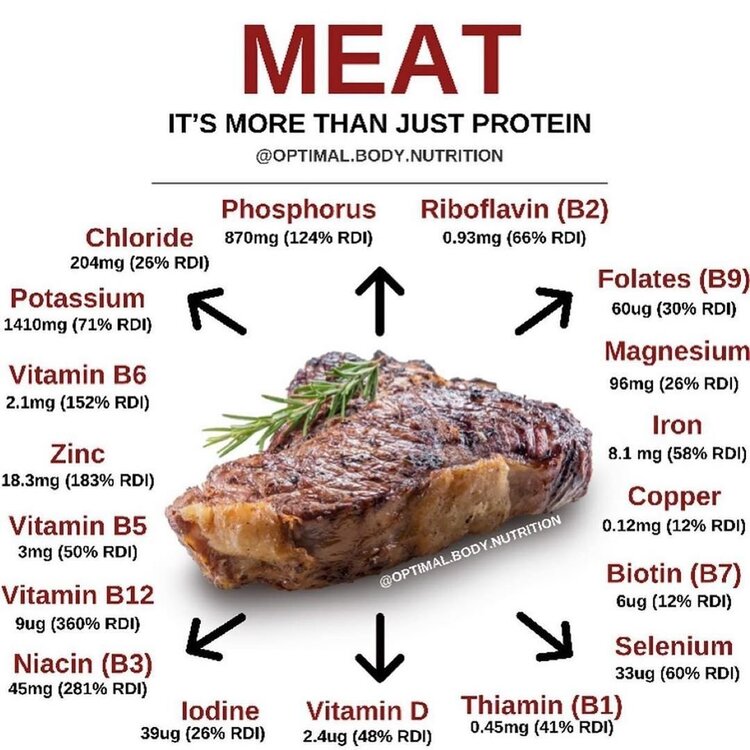
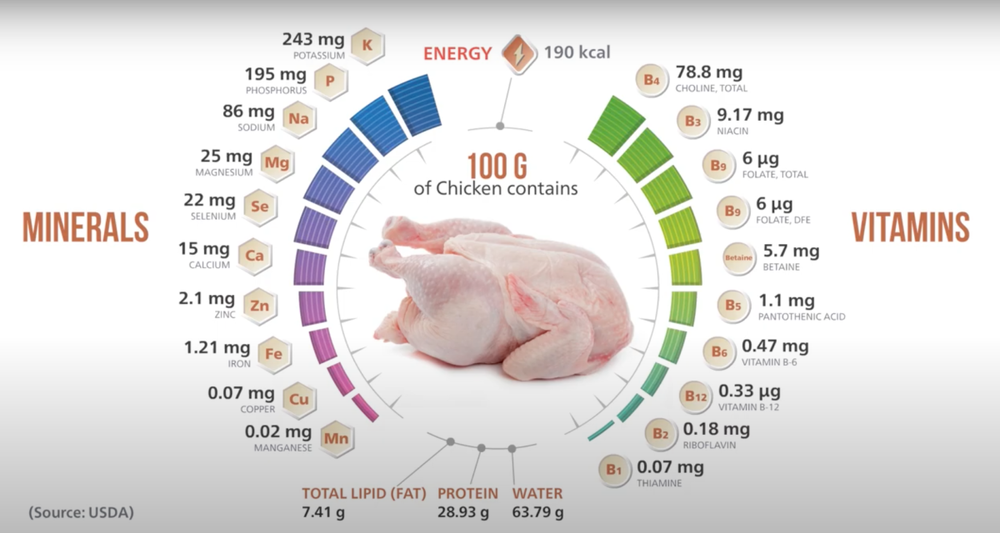
It's can be a challenge to make one's mind over after decades of red meat being vilified by organization like the American Heart Association and the American Diabetes Association (who are pawns for the Big Food companies in the grain and agriculture industry). Of course, you can eat what you want, but many are surprised when they learn what's actually in beef. of course, your chicken is nutritious also.
-
Bringing up "mother" is an interesting point. I can't think of many mothers in modern times, or even ones raising a child 80 years ago, who didn't start their child on mashed fruits and mashed vegetables as an introduction to solid food. But he did say he hasn't knowingly ate a vegetable. He could have been one of those picky kids and his mother would play short-order cook to him. My wife did the same with our boy, making him something different from the rest of us. Drove me crazy actually because I was raise where you weren't getting down from the table until you choked down everything on your plate.
-
Welcome aboard! The carnivore diet community is definitely a unique niche community, but it's growing in popularity. While it may be labeled as a fad diet or extreme diet, it's actually backed by tons of science and research. I'm still learning more and more myself.