List of foods ‘worse for you than smoking’ as doctor issues serious warningYou might need to make some changes to your weekly shop James Moorhouse Here's a list of foods that you might want to keep in mind the next time you do your weekly shop. While appearing on the Diary of a CEO podcast, NHS doctor Chris van Tulleken suggested that ultra-processed foods (UPFS) have 'overtaken tobacco as the leading cause of early death on planet Earth'. He even went as far as to claim they should be classed as 'industrially processed edible substances' rather than food. According to the British Heart Foundation, ultra-processed foods often contain additives and ingredients not common in everyday cooking, such as preservatives, emulsifiers, sweeteners, and artificial colours and flavours. As well as this, they also tend to have high levels of saturated fat, salt and sugar, and it's been previously suggested that the additives in UPFS may negatively impact our health. Dr Chris van Tulleken spoke about the health impacts of ultra-processed foods (YouTube/Diary of a CEO) A 2024 review from the British Medical Journal (BMJ) looking at 10 million participants over 45 studies suggests that eating more ultra-processed foods could lead to a higher mortality rate and has some connections to conditions like heart disease, type 2 diabetes, and mental health disorders. So what foods should we avoid on our big shop if we want to truly treat our body as a temple? Supermarket breadEven though we've all been told growing up that wholemeal and brown bread is good for us, the reality is that none of the mass-produced stuff is particularly good for the body, and a quick look at the often gigantic ingredient lists might give you a clue as to why. According to the National Library of Medicine, bread also accounts for 11 per cent of the calories we ingest, so it's worth getting some that has minimal additives to help you limit the amount of UPFs you consume. The good news here is that it should encourage you to visit your local bakery for some fresh bread that not only tastes way nicer, but is also clearly far better for your health. Failing that, we can all go back five years in time and start making our own sourdoughs again. You might be better off in a bakery (Getty Stock) Energy drinksWhile they might be the go-to before an early work shift or after a gym session, energy drinks aren't always what they are made out to be. According to Harvard Health, energy drinks contain caffeine and sugar, and a Consumer Reports study found that 27 energy drinks contained between six and 242 milligrams per serving. As with anything, moderation is key to avoiding serious issues; the Food and Drug Administration (FDA) says 400 mg per day is usually safe for adults. However, regular consumption can lead to serious health issues, particularly for the heart. UC Davis Health says energy drinks can cause irregular heart rhythm, as well as an increased heart rate and blood pressure, which are both risk factors of heart disease. Energy drinks often have a ton of caffeine in them (Getty stock images) Breakfast cerealsThe biggest culprit in most breakfast cereals is added sugar. According to the NHS, eating too much sugar can cause weight gain and tooth decay. Meanwhile, Assistant Professor of Nutrition and Dietetics at the University of North Dakota, Nathaniel Johnson, said in The Conversation that consuming sugary cereal can increase hunger and trigger greater insulin release, which could contribute to the development of heart disease and type 2 diabetes. The recommended amount of sugar for an adult is no more than 30g a day, while for children, it is 24 grams. While you can find some low-sugar or minimally processed options, such as porridge and bran flakes, adding additional sugars and sweeteners impairs their health benefits, according to a 2025 study on the National Library of Medicine. Breakfast cereals are often high in sugar (Getty Stock) Hot dogsA staple at sports matches, particularly in the UK and the US, the humble hot dog is one of the earliest examples of a UPF. The World Health Organisation (WHO) classifies processed meats, including ham, bacon, and hot dogs, as part of a Group 1 carcinogen, which is known to cause cancer. The NHS says that eating a lot of processed and red meat is linked with an increased risk of bowel cancer. Meanwhile, Lakeview Cardiology of Texas says processed sausages tend to be high in saturated fats, sodium, and chemical preservatives like nitrates and nitrites, which are linked to an increased risk of heart disease and hypertension. Sausages, like hot dogs, can be highly processed (Getty Stock) Vegan meat and cheeseVegans love to tell you how healthy they are, and often they're not wrong, as they can follow a more natural diet that focuses on fruits, vegetables, whole grains, and nuts. However, if they still want the taste of bacon without the guilty conscience, they might have to settle for some ultra-processed options, which aren't exactly the healthiest. These meat substitutes often contain additives and emulsifiers that make plant proteins look and taste as much like meat as possible. According to the British Heart Foundation, vegan meat alternatives are high in added fats, salt, sugar, and artificial ingredients. The same goes for dairy alternatives, like vegan cheese, which is also low in protein and calcium. Vegan meat alternative might not be so healthy after all (Getty stock images) Chicken nuggetsThe go-to meal for a fussy child or a hungover student, we've probably all heard the horror stories about what's actually inside chicken nuggets. While the meat content varies by brand, you're likely to find a combination of tendons, skin, bone, collagen, and fat inside the delicious treat. Protein levels are therefore lower, and the end result is often high in fat, sugar and salt. How they are cooked is also something to consider, as WebMD reports that nuggets are cooked in hydrogenated oil, which is high in fat and preservatives. Nuggets might be tasty but they're rarely healthy (Getty Stock) Reformulated potato snacksThis feels like a fancy way of saying 'crisps', and that's essentially it: many of the salty snacks we love to enjoy alongside our pints contain dehydrated processed potato, refined vegetable oils, rice and wheat flour, emulsifiers, salt and colouring. The National University of Singapore says that a diet high in trans-fat could lead to obesity, heart disease, and liver disease. Regularly consuming fried potato snacks in general, including chips, also increases the chance of a type 2 diabetes diagnosis, according to Harvard University researchers. Their study on the BMJ says that 'the high starch content of potatoes, leading to a high glycemic index and load, combined with possible loss of nutrients and possible health risks resulting from various cooking methods, could contribute to adverse health outcomes'. Potato snacks are high in additives and salts (Getty Stock) MargarineThe British Heart Foundation says that butter contains around 50 per cent saturated fat, while margarine is 50 per cent less. However, margarine is high in unsaturated fats as it combines vegetable oils, like sunflower, olive, and rapeseed, with small amounts of oils, such as palm or coconut, to make it solid. Margarine is also considered an ultra-processed food, as extra ingredients, like emulsifiers and artificial colours, are also added. It is important to note that both butter and margarine are processed foods; therefore, it is recommended to check the labels for fat and salt content. Margarine can have a few additional ingredients (Getty Stock) Ready mealsAs previously mentioned, things that are quick and easy to make are rarely going to have good ingredients, and while it's a hammer blow to students and tired workers everywhere, the ready meal is included in that. According to Action on Salt, last year, one in five ready meals contained high levels of salt and saturated fat. "Excess salt consumption is directly linked to high blood pressure, heart disease, and stroke," they write. Dr Helen Flaherty, Registered Public Health Nutritionist and Director of Health Promotion and Education at Heart Research UK, told The i Paper in 2024 that regular consumption of ready meals can contribute to weight gain, high blood pressure, and cholesterol levels, which increases the risk of coronary heart disease. Ready meals can be full of fat (Getty stock images) How to cut down on ultra-processed foodWhile there is evidence suggesting the negative impacts of consistently eating ultra-processed foods, the British Heart Foundation says it is still unclear whether we need to cut them out entirely. Plus, according to the NHS, not all processed foods are made equally and looking at food labels can help when it comes to choosing what to eat. The British Heart Foundation also recommends swapping processed versions for healthier options, such as fruit, vegetables, fish, and unsaturated oils. ARTICLE SOURCE: https://www.ladbible.com/news/health/doctor-health-warning-smoking-ultra-processed-foods-351011-20260324
Sorry vegans, a major health organization says meat, eggs and milk are vital sources of 'much-needed nutrients'
A new report from the United Nations' Food and Agriculture Organization (FAO) has determined that meat, eggs and milk are vital sources of much-needed nutrients, such as proteins, fats and carbohydrates, that aren’t easily found in plant-based foods.
The comprehensive study, which is based on data from more than 500 scientific papers and 240 policy documents, also stated that these nutrients are critical during key life stages, such as pregnancy and lactation, childhood, adolescence and older age.
“Nutrient needs of humans vary substantially over their life course. While there are a variety of dietary patterns that can meet those needs, foods that are rich in nutrients are a critical part of a healthy diet,” FAO Deputy Director-General Maria Helena Semedo and Chief Economist Máximo Torero Cullen wrote in a foreword to the report. “Terrestrial animal source foods provide energy and many essential nutrients, such as protein, fatty acids and several vitamins and minerals that are less common in other food types.”
Health benefits of eating animal source foods
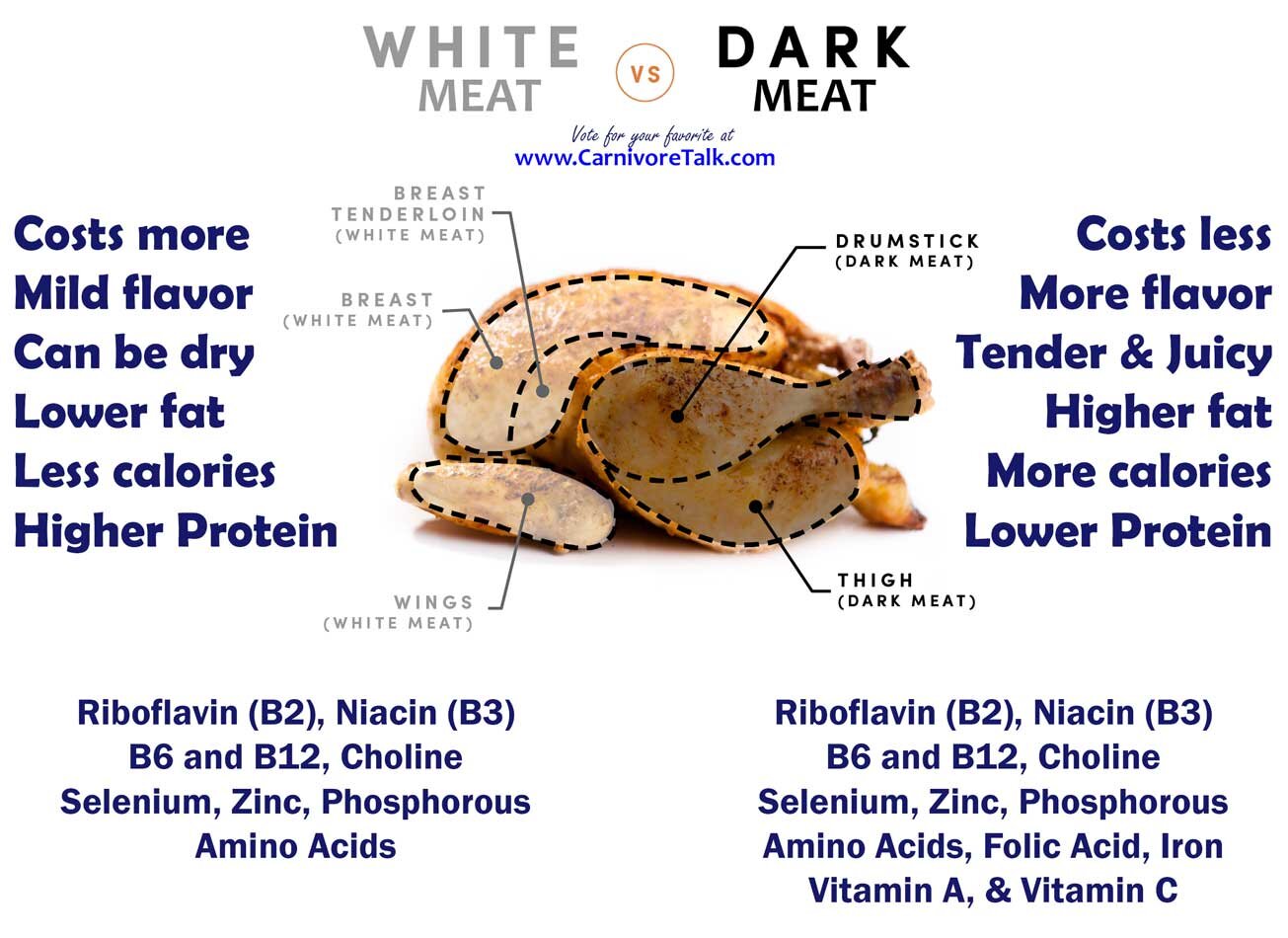
Some of the crucial nutrients found in animal sources include:
However, not all meats are created equally. The study mentioned that eating even low levels of processed red meat, such as bacon, sausage, hot dogs and deli meats, can increase the risk of mortality and chronic disease outcomes, including cardiovascular diseases and colorectal cancer.
Consuming unprocessed red meat, such as beef, pork and lamb, in moderate amounts (between 9 to 71 grams per day), carries minimal risk, but is generally considered safe as it pertains to chronic disease outcomes.
Additionally, the report noted that “the evidence of any links between milk, eggs and poultry consumption in healthy adults and diseases such as coronary heart disease, strokes and hypertension is inconclusive (for milk) or non-significant (for eggs and poultry).”
The bigger picture
Food from animal sources are deemed part of a healthy diet and can go a long way toward achieving FAO’s Sustainable Development Goals, such as reducing wasting among children under five years of age, low birthweight, anemia in women of reproductive age, and obesity and non-communicable diseases in adults.
In the report, Semedo and Cullen also wrote that the livestock sector “must contribute to addressing a range of challenges,” including environmental issues; herd management; animal health related issues; human-livestock related issues; and social issues.
This story was originally featured on Fortune.com
Article Source: https://www.msn.com/en-us/health/nutrition/sorry-vegans-a-major-health-organization-says-meat-eggs-and-milk-are-vital-sources-of-much-needed-nutrients/ar-AA1aVtlW
Subscribe to Carnivore Talk on YouTube | Be our guest on the channel | Leave me a voicemail, yo!