Welcome to our Carnivore / Ketovore / Keto Online Community!
Welcome to Carnivore Talk! An online community of people who have discovered the benefits of an carnviore-centric ketogenic diet with the goal of losing weight, optimizing their health, and supporting and encouraging one another. We warmly welcome you! [Read More]
New study shows some plant-based diets may raise heart disease risk
- Replies 4
- Views 247
- Created
- Last Reply



Popular Days
Most Popular Posts
-
In all likelihood, a poor study. Try tracking anything accurately ! I do believe we are complex in our physiology. The vitimans we need, amino acids, and necessary fats. All are vital. And from
-
Looking back at our ancestries I believe we were primary meat eaters but at the same time I doubt we passed by an apple tree and just 'went without'. Whole foods, not ultra-processed foods eaten in s
Posted Images
Featured Replies
Similar Content
-
- 2 replies
- 307 views
-
- 5 replies
- 3,064 views
-
- 7 replies
- 2,567 views

Featured Content
-
"World Carnivore Month" January Challenge!
Today is the first day of January and is also the first day of World Carnivore Month. To that end, let's challenge ourselves to eat a carnivore diet for the entire month of January. The type of carnivore diet and the level of strictness you choose to do is entirely up to you. Examples of carnivore diets include the following... 1) The Lion Diet. A person eating the Lion Diet only consumes the flesh of ruminant animals, water, and salt. 2) The BBBE Diet. BBBE is an acronym for Beef, Butter, Bacon, and Eggs. 3) The Carnivore Diet. This allows for the consumption of any and all animals and animal by-products, including dairy. In any of the above examples, the object of course is to not consume any plants as part of your diet. Of course, we're not going to micromanage hoe you prepare your food, so your use of seasonings is entirely your own personal choice. IF your circumstances don't allow you to go full on carnivore in January, then you can participate in this topic by challenge yourself to do better, above and beyond what you have been doing. For example, if you have still been eating grains, seed oils, refined sugar, or drinking alcohol, challenge yourself to avoid these items and just eat a clean, single ingredient whole foods diet such as clean keto, ketovore, or animal based. We encourage you to check in daily, and share what you have eaten, perhaps a weigh-in if you're willing, and enjoy in some small talk. Participants in this topic will be entered into a drawing for a prize at the end of the month.-
- 193 replies
 Featured by Guest
 -
-
What is your favorite way to eat/prepare eggs?
Vote for your favorite way to prepare eggs!
- 45 replies
Featured by Bob




New study shows some plant-based diets may raise heart disease risk
Summary:
Researchers tracking over 63,000 adults found that high-quality, minimally processed plant foods significantly reduce cardiovascular risk. But when those plant foods are ultra-processed, the advantage disappears—and can even backfire. Some ultra-processed plant diets increased risk by 40%. The study urges a shift toward whole, naturally nutrient-rich plant foods.
FULL STORY
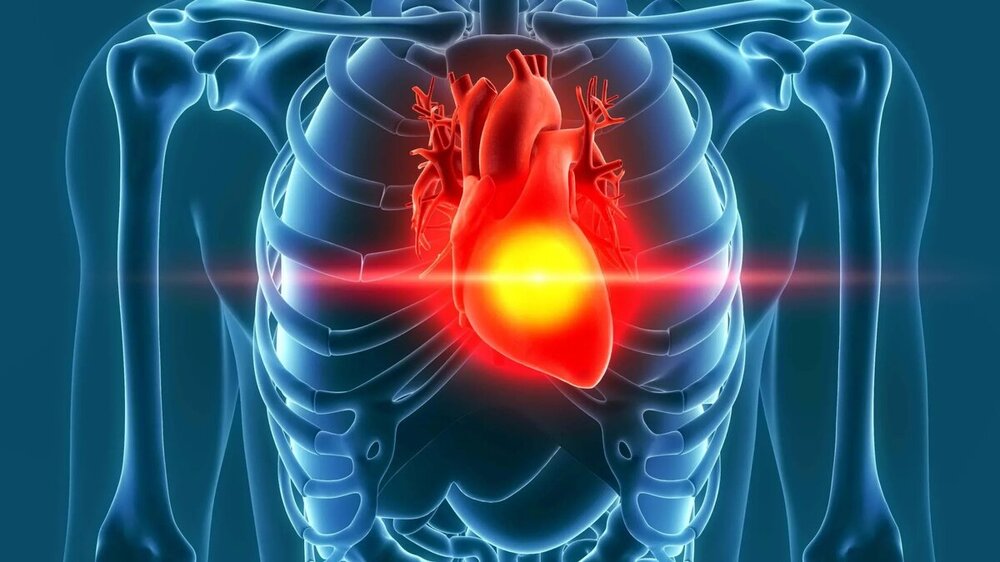
Not all plant-based diets improve heart health—only those built on minimally processed, nutrient-dense foods do. Ultra-processed plant products can erase the benefits and even increase cardiovascular risk. Credit: Shutterstock
Previous studies have indicated that eating large amounts of ultra-processed foods[1] is linked with a higher likelihood of developing cardiovascular diseases. Other research[2] has found that diets centered on plant-based foods can lower this risk when those foods offer balanced nutrition and are consumed in appropriate proportions.
To explore how nutrition relates to cardiovascular health in more detail, scientists from INRAE, Inserm, Université Sorbonne Paris Nord, and Cnam examined more than whether foods came from plant or animal sources. Their assessment also incorporated the nutritional makeup of foods, including factors such as carbohydrate, fat, and antioxidant vitamin and mineral content, along with the level of industrial processing involved.
How the Study Evaluated Diets and Food Choices
The team evaluated data from 63,835 adults enrolled in the French NutriNet-Santé cohort. Participants were followed for an average of 9.1 years, with some tracked for as long as 15 years. Information on what they ate and drank (collected over at least three days) was gathered through online questionnaires. This detailed approach allowed researchers to classify diets based on the share of plant-based and animal-based foods, while also considering both nutritional quality and processing level.
The findings showed that adults who consumed more plant-based foods of higher nutritional quality (lower in fat, sugar, and salt) and with minimal industrial processing had about a 40 percent lower risk of cardiovascular disease compared with those who ate fewer nutritious plant-based foods and more animal-based products[3].
However, people who ate larger amounts of plant-based foods that were nutritionally higher quality but ultra-processed, including items such as industrial whole meal breads, store-bought soups, ready-made pasta dishes, or commercially prepared salads with dressing, did not experience a reduced cardiovascular risk relative to individuals who consumed fewer of these products and more animal-based foods.
Ultra-Processed Plant Foods and Increased Heart Disease Risk
A notably higher risk emerged for adults whose diets were dominated by plant-based foods that were both lower in nutritional quality and ultra-processed. These items included crisps, sweetened fruit drinks or sodas made from plant extracts, chocolate-based sweets or confectionery, sugary breakfast cereals, and savory biscuits. Their cardiovascular disease risk was roughly 40 percent higher than that of people who consumed more plant-based foods of good nutritional quality with little or no industrial processing.
Why Processing Level Matters for Plant-Based Eating
Overall, the results show that understanding the relationship between diet and cardiovascular health requires considering the nutritional quality of foods and how heavily they are processed, in addition to the balance of plant-based and animal-based components. These findings support public health recommendations that encourage the consumption of plant-based foods that are both nutritionally high quality and minimally processed (such as fresh, frozen, or high-quality canned fruits and vegetables without added fats, salt, sugar, or additives).
Notes [1], [2], and [3] can be read at the article source....
ARTICLE SOURCE: https://www.sciencedaily.com/releases/2025/12/251214100928.htm
Subscribe to Carnivore Talk on YouTube | Be our guest on the channel | Leave me a voicemail, yo!