Welcome to our Carnivore / Ketovore / Keto Online Community!
Welcome to Carnivore Talk! An online community of people who have discovered the benefits of an carnviore-centric ketogenic diet with the goal of losing weight, optimizing their health, and supporting and encouraging one another. We warmly welcome you! [Read More]
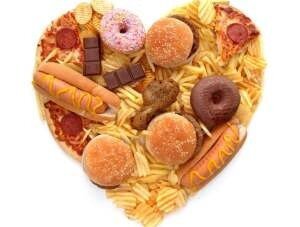
Ultraprocessed foods linked to heart disease, diabetes, mental disorders and early death
- Replies 2
- Views 989
- Created
- Last Reply


Popular Days
Most Popular Posts
-
Can cause? How bout does cause. Amazing how they state stats and yet don’t call out the culprit. I’m am glad to see that we are slowly starting to see validation for our Woe. Sent from my iPhone
-
Well we all know that one guy who drank alcohol first thing in the morning, ate fast food and chocolate cake, and smoked 2 packs a day and lived to 95, so....? lol 😄
Posted Images
Featured Replies
Featured Content
-
"World Carnivore Month" January Challenge!
Today is the first day of January and is also the first day of World Carnivore Month. To that end, let's challenge ourselves to eat a carnivore diet for the entire month of January. The type of carnivore diet and the level of strictness you choose to do is entirely up to you. Examples of carnivore diets include the following... 1) The Lion Diet. A person eating the Lion Diet only consumes the flesh of ruminant animals, water, and salt. 2) The BBBE Diet. BBBE is an acronym for Beef, Butter, Bacon, and Eggs. 3) The Carnivore Diet. This allows for the consumption of any and all animals and animal by-products, including dairy. In any of the above examples, the object of course is to not consume any plants as part of your diet. Of course, we're not going to micromanage hoe you prepare your food, so your use of seasonings is entirely your own personal choice. IF your circumstances don't allow you to go full on carnivore in January, then you can participate in this topic by challenge yourself to do better, above and beyond what you have been doing. For example, if you have still been eating grains, seed oils, refined sugar, or drinking alcohol, challenge yourself to avoid these items and just eat a clean, single ingredient whole foods diet such as clean keto, ketovore, or animal based. We encourage you to check in daily, and share what you have eaten, perhaps a weigh-in if you're willing, and enjoy in some small talk. Participants in this topic will be entered into a drawing for a prize at the end of the month.-
- 193 replies
 Featured by Guest
 -
-
What is your favorite way to eat/prepare eggs?
Vote for your favorite way to prepare eggs!
- 45 replies
Featured by Bob




'Ultra-Processed' Foods Harm Your Health in More Than 30 Different Ways
By Dennis Thompson HealthDay Reporter
THURSDAY, Feb. 29, 2024 (HealthDay News) -- Ultra-processed foods can cause dozens of terrible health problems among people who eat them too often, a new review warns.
Researchers linked diets high in ultra-processed foods to an increased risk of 32 separate illnesses. In particular, these foods are strongly tied to risk with early death, heart disease, cancer, mental health disorders, overweight and obesity, and type 2 diabetes, researchers said.
For example, ultra-processed foods are associated with a 50% increased risk of heart-related death, a 48% to 53% increased risk of anxiety and common mental disorders, and a 12% risk of type 2 diabetes, researchers said.
And the more of these foods people eat, the higher their overall health risks, results showed.
Ultra-processed foods include packaged snacks, sugary drinks, instant noodles, sweet cereals and ready-to-eat meals.
The products undergo multiple industrial processes to make them tasty and shelf-stable, and contain additives like emulsifiers, coloring agents and chemical flavors.
Unfortunately, ultra-processed foods now account for up to 58% of total daily energy intake in some high income-countries, and are proliferating in low- and middle-income countries, researchers said in background notes.
“Notably, over recent decades, the availability and variety of ultra-processed products sold has substantially and rapidly increased” in countries around the world, wrote the research team led by Melissa Lane, an associate research fellow with the Deaken University Institute for Mental and Physical Health in Victoria, Australia.
These highly processed foods contain loads of sugar, salt and fat, as well as other ingredients that can be harmful to many systems within the body, researchers said.
For this analysis, researchers reviewed pooled data from 14 review articles published within the past three years involving nearly 10 million participants. None were funded by food companies that produce ultra-processed foods.
The evidence also linked ultra-processed foods with a 21% greater risk of death from any cause, a 55% increased risk of obesity, a 40% increased risk of type 2 diabetes, a 41% increased risk of sleep problems and a 22% increased risk of depression.
The findings were published Feb. 28 in the BMJ.
The research team noted that these poor health effects aren’t necessarily fully explained by the products’ lack of nutrition and heavy calorie loads.
Alterations in the food made during manufacturing “may affect digestion, nutrient absorption and feelings of satiety,” the researchers wrote.
Emerging evidence in humans also has linked some additives used in the foods -- non-sugar sweeteners, emulsifiers, colorants and nitrates or nitrites -- with poor health outcomes, researchers said.
Intensive industrial processing of food might also produce harmful substances that contribute to chronic inflammation, and even packaging materials can contain contaminants, they added.
Researchers said that manufacturers can be pressured to reformulate these products, but that rejiggering the ingredients won’t necessarily eliminate harm.
Further, profit motives discourage food makers from switching to nutritious products.
In fact, manufacturers push their products using marketing strategies that “involve visually captivating packaging with eye-catching designs and health-related assertions,” promoting “excessive consumption,” researchers said.
Because of this, researchers recommend a crackdown on these foods by regulators and policymakers, including:
Front-of-back nutrition labels.
Restricting advertising.
Prohibiting sales in or near schools and hospitals.
Promoting the accessibility of fresh, unprocessed or minimally processed foods.
More information
The Cleveland Clinic has more on ultra-processed foods.
SOURCE: BMJ, news release, Feb. 28, 2024
Copyright © 2024 HealthDay. All rights reserved.
ARTICLE SOURCE: https://www.usnews.com/news/health-news/articles/2024-02-29/ultra-processed-foods-harm-your-health-in-more-than-30-different-ways
Subscribe to Carnivore Talk on YouTube | Be our guest on the channel | Leave me a voicemail, yo!