Welcome to our Carnivore / Ketovore / Keto Online Community!
Welcome to Carnivore Talk! An online community of people who have discovered the benefits of an carnviore-centric ketogenic diet with the goal of losing weight, optimizing their health, and supporting and encouraging one another. We warmly welcome you! [Read More]
Geoff’s Brisket, Texas Style
- Replies 7
- Views 7k
- Created
- Last Reply
Top Posters In This Topic
-
Scott F. 3 posts
-
Geezy 2 posts
-
PeterT 1 post
-
Old Marine 1 post




Popular Days
Most Popular Posts
-
Hey, Geoff! I’m new here as of today, when I watched your interview on Healing Humanity. I was looking for a vid to send to some family members who really need to try this Carnivore Diet, but seem t
-
Yeah, who'd have thought the science writers would could be so deceitful. We do suffer plenty of opposition but of course 'real life' experience is on our side. Hey Old Marine, do you have Rayna
-
The thighs are the perfect example. The view is not worth the climb. LOL Scott
Posted Images
Featured Replies
Featured Content
-
"World Carnivore Month" January Challenge!
Today is the first day of January and is also the first day of World Carnivore Month. To that end, let's challenge ourselves to eat a carnivore diet for the entire month of January. The type of carnivore diet and the level of strictness you choose to do is entirely up to you. Examples of carnivore diets include the following... 1) The Lion Diet. A person eating the Lion Diet only consumes the flesh of ruminant animals, water, and salt. 2) The BBBE Diet. BBBE is an acronym for Beef, Butter, Bacon, and Eggs. 3) The Carnivore Diet. This allows for the consumption of any and all animals and animal by-products, including dairy. In any of the above examples, the object of course is to not consume any plants as part of your diet. Of course, we're not going to micromanage hoe you prepare your food, so your use of seasonings is entirely your own personal choice. IF your circumstances don't allow you to go full on carnivore in January, then you can participate in this topic by challenge yourself to do better, above and beyond what you have been doing. For example, if you have still been eating grains, seed oils, refined sugar, or drinking alcohol, challenge yourself to avoid these items and just eat a clean, single ingredient whole foods diet such as clean keto, ketovore, or animal based. We encourage you to check in daily, and share what you have eaten, perhaps a weigh-in if you're willing, and enjoy in some small talk. Participants in this topic will be entered into a drawing for a prize at the end of the month.-
- 193 replies
 Featured by Guest
 -
-
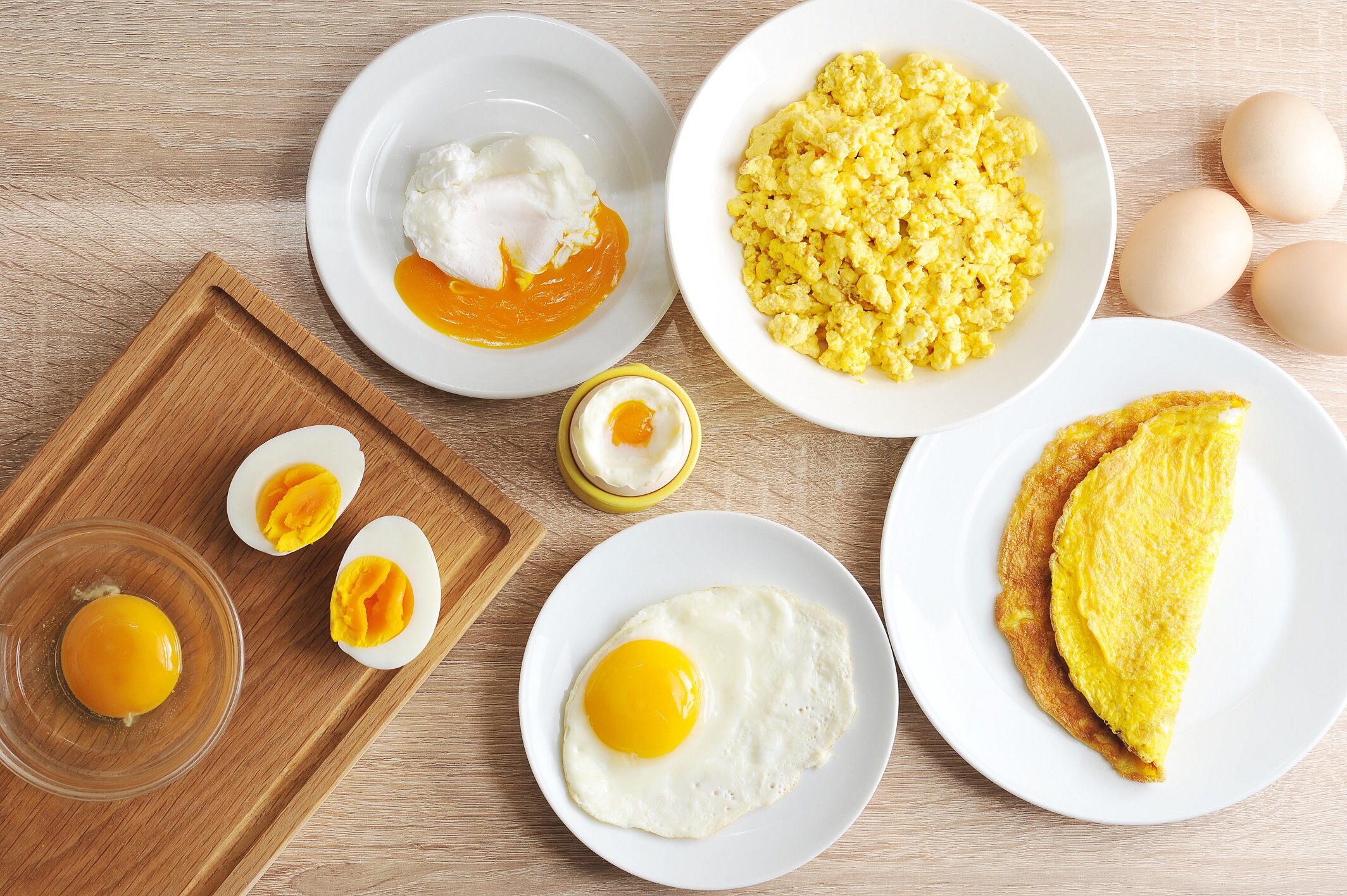
What is your favorite way to eat/prepare eggs?
Vote for your favorite way to prepare eggs!
- 45 replies
Featured by Bob



Recipe
Geoff’s Brisket
12-13 lb brisket preferred
Rub of your choice (I prefer kosher salt and coarse ground pepper)
Apple juice (optional)
Squeeze Butter (optional)
Heavy duty aluminum foil or butcher paper. (I’m really liking the butcher paper better than foil these days)
Good Thermometers
The night before:
Trim fat cap to ¼” as well as remove any heavy white chunk fat on the top and where the point meets the flat. Square off flat end as well so it cooks more evenly. The trimmed fat can be made into tallow.
Apply GENEROUS amounts of rub all over starting on the fat cap side and finishing with the meat side up. If doing kosher salt and black pepper, do the salt FIRST liberally, pat it in and top that with heavy pepper …more than liberally. Pepper on top of salt…..always
Place in fridge wrapped in cling wrap and let sit until ready to be put on smoker. I usually do this the night before and smoke the next AM, but the brisket can be put on immediately after rubbing as well if needed. Your smoke ring will pop a little more if you let it sit overnight.
Day of:
Place on smoker at 250 degrees. I prefer fat down to protect the meat from heat from the bottom and the grate doesn’t mess up your bark on the meat side. Either is ok. I put my temperature probes in the thickest part of the meat at this time. (I have a remote temp sensor for both the meat and smoker temps, I highly recommend them)
Spritz with apple juice every two hours (if you choose to)
Don’t open the smoker a lot because “if you are lookin’ you ain’t cookin’…”
Foil or butcher paper wrap at 160-165 internal temp if bark looks right or at the stall…. whichever comes first. If bark needs a little more time then take it to 170. If using the squeeze butter, put it on the brisket liberally then close up foil and put back on smoker.
Continue to 203 deg …. (total cook time “guideline” is 1.00 - 1.5 hours per pound for completion…but go by internal temp for actual). (if you want to chop the whole thing, I would take it to 205 no matter what.)
Pull off smoker and set in cooler still wrapped covered in a towel or in a cool oven still foiled to rest for 1-2 hours before slicing. One hour minimum so that the briskets moisture that was forced outward in cooking can re- distribute while cooling slowly.
Slice the flat for sliced brisket (AGAINST THE GRAIN OF THE MEAT) and you can either slice (against the grain) or chop the point …. Enjoy!
Some thoughts on probing and done-ness….
Monitoring needs to be in the center of the thickest part of the flat ... I like to angle it in to get more of the probe in the meat without passing through the other side I have had to change the location of the probe as well after my target temp was reached because it wasn't right.. ie the probe says 200 but it's still tough and I find the real center is still at 190-195..
This is what works for me. I am not a pro....Just a backyard hack.
I take it to 200 with the monitoring probe. When you reach that temp, I like to take a handheld insta-read thermo like a Thermopop or Lavatools Insta-read and check other areas of the meat for their temp as well just to see how it is going. While doing that I am probing the brisket for tenderness. The probe or knife even needs to pass through all areas of the meat like a hot knife through butter...and if it doesn't....keep taking that center up another couple of degrees. Check at 202...then 204 if need be. 200 is not a magic catch all number for me. It is just a number for me to start probing. Luckily it usually is done at 200-203 but I have had to take it further like described above.
Personally, I’ve rarely had a brisket done under 200 and I've messed up my share taking them off before. The ones I have pulled at 195 or less due to time constraints are like many experience…..dry and tough. It's done when it's done....not before.” A dry tough brisket is an underdone brisket….not an over-cooked brisket. Underdone does not allow the collagen and connective tissues to properly break down and become moisture and subsequently tender.
Sent from my iPhone using Tapatalk