Welcome to our Carnivore / Ketovore / Keto Online Community!
Welcome to Carnivore Talk! An online community of people who have discovered the benefits of an carnviore-centric ketogenic diet with the goal of losing weight, optimizing their health, and supporting and encouraging one another. We warmly welcome you! [Read More]
- Replies 3
- Views 2.3k
- Created
- Last Reply


Popular Days
Most Popular Posts
-
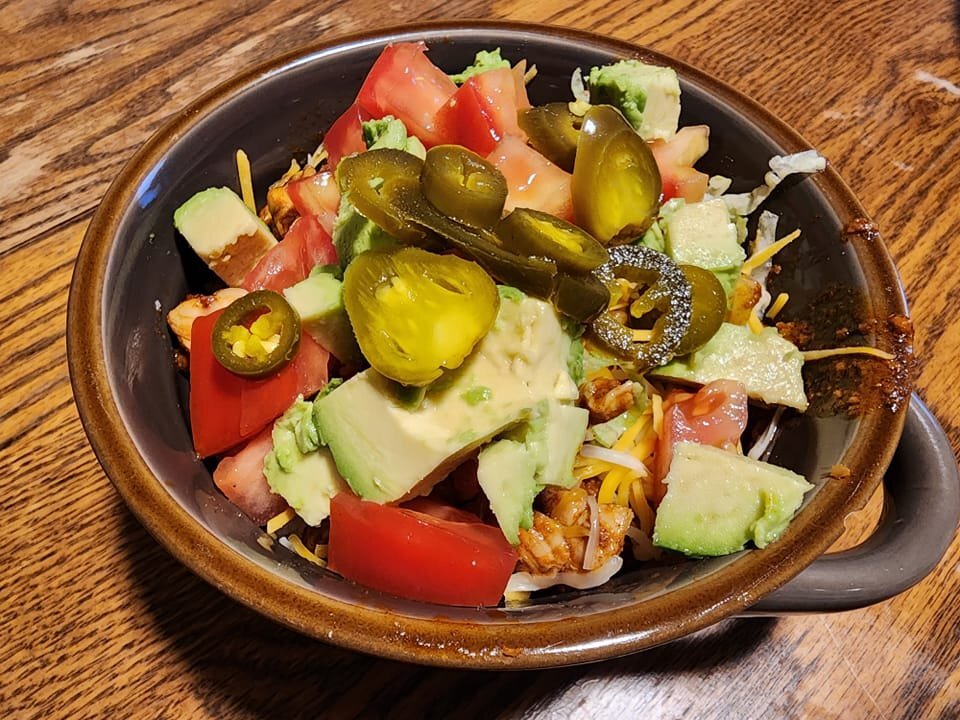
That taco one looks really good. I'll have to try it. I did this one last week. It came out really good.
-
I've got to try this. I can't cook for crap.
Posted Images
Featured Replies
Similar Content
-
- 10 replies
- 542 views
-
- 2 replies
- 440 views
-
- 0 comments
- 1,444 views

Featured Content
-
"World Carnivore Month" January Challenge!
Today is the first day of January and is also the first day of World Carnivore Month. To that end, let's challenge ourselves to eat a carnivore diet for the entire month of January. The type of carnivore diet and the level of strictness you choose to do is entirely up to you. Examples of carnivore diets include the following... 1) The Lion Diet. A person eating the Lion Diet only consumes the flesh of ruminant animals, water, and salt. 2) The BBBE Diet. BBBE is an acronym for Beef, Butter, Bacon, and Eggs. 3) The Carnivore Diet. This allows for the consumption of any and all animals and animal by-products, including dairy. In any of the above examples, the object of course is to not consume any plants as part of your diet. Of course, we're not going to micromanage hoe you prepare your food, so your use of seasonings is entirely your own personal choice. IF your circumstances don't allow you to go full on carnivore in January, then you can participate in this topic by challenge yourself to do better, above and beyond what you have been doing. For example, if you have still been eating grains, seed oils, refined sugar, or drinking alcohol, challenge yourself to avoid these items and just eat a clean, single ingredient whole foods diet such as clean keto, ketovore, or animal based. We encourage you to check in daily, and share what you have eaten, perhaps a weigh-in if you're willing, and enjoy in some small talk. Participants in this topic will be entered into a drawing for a prize at the end of the month.-
- 193 replies
 Featured by Guest
 -
-
What is your favorite way to eat/prepare eggs?
Vote for your favorite way to prepare eggs!
- 45 replies
Featured by Bob




@cwise - if you like Mexican food, give this a try. Even my kids loved it and they are not very fond of cauliflower as a rice substitute.
The first part of this recipe is basically a Spanish rice recipe. You will need the following...
Cauliflower rice
Olive oil
Onion
Garlic
Tomato paste
Chili powder
Cumin
Salt
How to make Low Carb Mexican Cauliflower Rice...
That's all there is to the rice. You might want to make the meat first and put it on simmer and then make this. If you make this first and have it simmer it may dry out.
The second part of this recipe is cooking either your beef or chicken with the appropriate mexican seasonings.
The third part of this is chopping up and gathering your toppings, such as sour cream, diced tomatoes or salsa, avacado or guacamole, shredded cheese, and whatever else you like in a taco salad or taco bowl.
Finally, add it all together, with the rice on the bottom, the meat in the middle, and the cold items on top. You can put sauces like sour cream or salsa inbetween layers or just one top, which ever you prefer.
Again, my family found this to be a stellar substitute for going out for Mexican food, and even the kids were satisfied.
Here is a picture (although not the greatest) of the last time I made it...