Welcome to our Carnivore / Ketovore / Keto Online Community!
Welcome to Carnivore Talk! An online community of people who have discovered the benefits of an carnviore-centric ketogenic diet with the goal of losing weight, optimizing their health, and supporting and encouraging one another. We warmly welcome you! [Read More]
The Many Benefits of a Carnivore Diet [Article]
- Views 1.4k
- Created
- Last Reply
Featured Replies
Featured Content
-
"World Carnivore Month" January Challenge!
Today is the first day of January and is also the first day of World Carnivore Month. To that end, let's challenge ourselves to eat a carnivore diet for the entire month of January. The type of carnivore diet and the level of strictness you choose to do is entirely up to you. Examples of carnivore diets include the following... 1) The Lion Diet. A person eating the Lion Diet only consumes the flesh of ruminant animals, water, and salt. 2) The BBBE Diet. BBBE is an acronym for Beef, Butter, Bacon, and Eggs. 3) The Carnivore Diet. This allows for the consumption of any and all animals and animal by-products, including dairy. In any of the above examples, the object of course is to not consume any plants as part of your diet. Of course, we're not going to micromanage hoe you prepare your food, so your use of seasonings is entirely your own personal choice. IF your circumstances don't allow you to go full on carnivore in January, then you can participate in this topic by challenge yourself to do better, above and beyond what you have been doing. For example, if you have still been eating grains, seed oils, refined sugar, or drinking alcohol, challenge yourself to avoid these items and just eat a clean, single ingredient whole foods diet such as clean keto, ketovore, or animal based. We encourage you to check in daily, and share what you have eaten, perhaps a weigh-in if you're willing, and enjoy in some small talk. Participants in this topic will be entered into a drawing for a prize at the end of the month.-
- 193 replies
 Featured by Guest
-
-
What is your favorite way to eat/prepare eggs?
Vote for your favorite way to prepare eggs!
- 45 replies
Featured by Bob




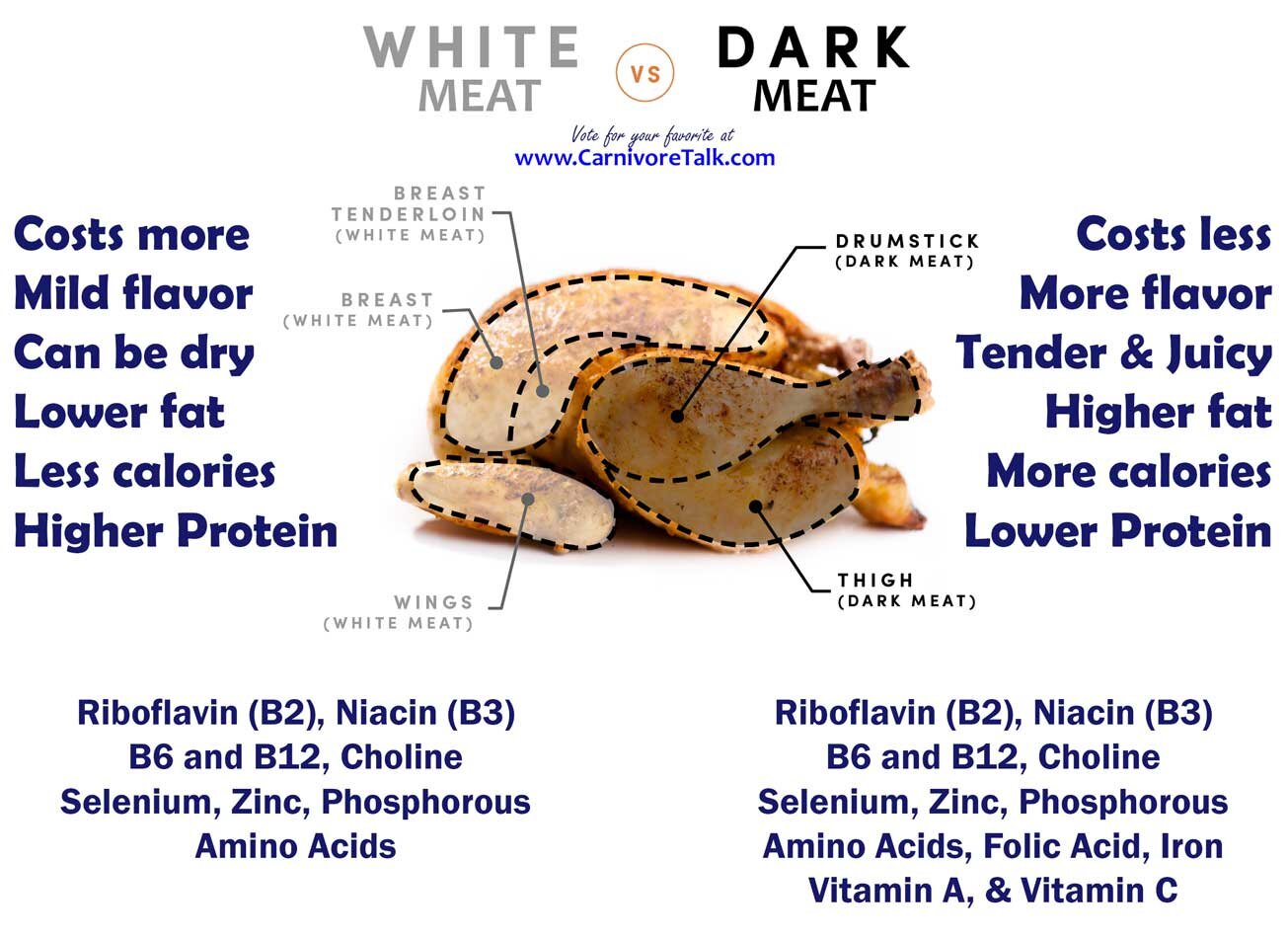

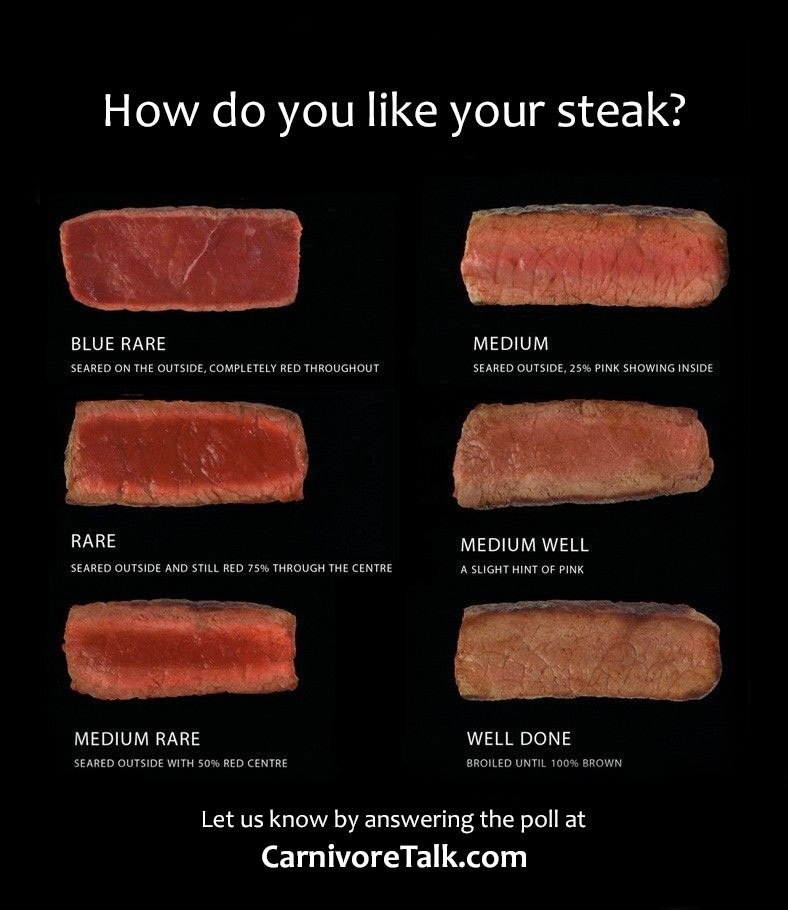
Dietary trends currently range from plant-based diets to low carbohydrate or ketogenic lifestyles, but the carnivore diet is one diet that is gaining much attention. This attention comes both in the form of praise from those who have tried it and is also a topic of criticism for those who haven’t. This nearly no-carb way of eating involves consuming only meat and animal-based products and eliminating all plant-based and processed foods. While conventional mainstream nutritional advice is designed to scare you into believing that such a diet is a serious health risk, the scientific evidence as well as the personal experiences of many individuals points to several potential benefits. These benefits include weight loss, reduced inflammation, a marked improvement in overall health, and sometimes the complete reversal of chronic diseases and digestive health issues. Let's expand upon some of the many advantages of the carnivore diet.
Simplicity and Elimination of Food Sensitivities
One of the primary benefits of the carnivore diet is this is about as simple as a diet can get. Hungry? Eat meat. There is no more anxiety surrounding the complexity of meal planning and having to look up or invent some creative “recipe” for your next meal.
It’s also simple in that it helps you learn what constitutes essential, nutrient dense food. This knowledge allows you to dismiss and eliminate unessential junk foods. When you focus solely on animal-based foods, you will avoid the potential allergenic reactions associated with various plant-based foods. For individuals with known food sensitivities or allergies, the carnivore diet can provide relief from digestive discomfort and other symptoms.
High-Quality Protein Intake
The carnivore diet places a heavy emphasis on protein consumption, which could be advantageous for individuals looking to build and maintain lean muscle mass. Animal-based sources of protein, such as meat, poultry, fish, and dairy, are of the highest quality. Protein is essential for muscle maintenance, immune function, and overall bodily repair, and animal-based proteins are complete because they contain all the essential amino acids that the body needs. Plant-based proteins often lack key amino acids, making them incomplete.
Nutrient Density
Animal-based proteins are generally more bioavailable, meaning the body can more efficiently absorb and utilize the nutrients they contain. Animal-based foods are naturally richer in important nutrients such as vitamin B12, iron, zinc, and omega-3 fatty acids. Plant foods can contain anti-nutrients that hinder nutrient absorption, so you benefit more from eating meat than you do plants.
Weight Loss
The carnivore diet can be an effective weight loss strategy. Animal products are often rich in quality protein and healthy fat, both of which makes you feel full and satisfied. They are also nutritious and contain everything your body needs. Not only will you feel satiated for longer, you will notice reduced food cravings. That’s right, you are less likely to get chronically hungry or get the munchies when on a carnivore diet. Many people on the carnivore diet eventually find themselves naturally intermittent fasting, consuming just one or two large meals per day.
Anti-Inflammatory Effects
The carnivore diet is an anti-inflammatory diet just like other low carb and ketogenic diets can be. There are several studies that show that low carb diets can reduce inflammation. A carnivore diet is the ultimate low carb diet, almost even zero-carb. Decreased inflammation benefits individuals with autoimmune conditions. By eliminating plant foods, which can contain compounds that some individuals are sensitive to, such as lectins, phytates, and oxalates, the carnivore diet can lead to a reduction in inflammatory markers in the body.
Improved Gut Health
The carnivore diet may improve your gut health. For those with sensitive digestive systems or gastrointestinal disorders, eliminating complex carbohydrates and plant fibers could provide relief from digestive symptoms and discomfort. Such fibers is known to irritate the gut and cause inflammation and is often the cause of constipation. Gluten, too, can increase the production of a protein that damages your digestive tract. Then there are the defense chemicals and anti-nutrients found in plants, such as lectins, saponins, phytates, and oxalates, which interfere with nutrient absorption and digestion. All these things combined can contribute to the overgrowth of harmful bacteria.
A carnivore diet on the other hand can help improve your gut health by providing you what you need to strengthen and repair your gut lining. This is due to animal-based foods being rich in omega-3 fatty acids, glutamine, collagen, and other gut-healthy nutrients.
Potential Mental Clarity
The carnivore diet can enhance your mental clarity, focus, and mood, because you eliminate inflammatory foods like sugar and seed oils, as well as cognitive disruptors found in some plant foods. You in turn focus on nutrient dense foods with high-quality fats that lead to improved brain health. Mental issues are most often rooted in inflammation and nutrient deficiencies, and not necessarily in chemical imbalances. Many living a carnivore diet lifestyle have reversed mental health disorders such as depression as well as others.
There is much more that could be added to this list. We could talk about improved sleep, enhanced testosterone and libido, better insulin sensitivity, a healthier heart, rejuvenated skin, and more energy. The carnivore diet promotes optimal health by emphasizing nutrient-dense animal products, which are complete sources of protein, vitamins, and minerals. It can stabilize blood sugar, enhance mitochondrial function, reduce inflammation, and address potential food sensitivities. Many doctors and nutritionists say that this is the way humans were meant to eat, and indeed the way they did eat long before the era of processed foods and the diseases they brought with them.
View full article