Welcome to our Carnivore / Ketovore / Keto Online Community!
Welcome to Carnivore Talk! An online community of people who have discovered the benefits of an carnviore-centric ketogenic diet with the goal of losing weight, optimizing their health, and supporting and encouraging one another. We warmly welcome you! [Read More]
How Ultra-Processed Foods Differ From Other Processed Foods
- Replies 6
- Views 2.4k
- Created
- Last Reply
Top Posters In This Topic
-
Geezy 2 posts
-
Steven2023 2 posts
-
Bob 1 post
-
Nomad 1 post




Most Popular Posts
-
While I was aware of the terms ultra-processed and processed food, I did not know the basic difference. Thanks for this informative post. I do not eat a lot of ultra-processed or even processed food,
-
"Processed" foods seem to take a bad rap in people's minds. It's important to note that not all processed foods are inherently unhealthy. Processing can be as simple as washing, cutting, or packaging
-
No need to hold back. Let it all out. It's okay
Posted Images


Featured Replies
Similar Content



Featured Content
-
"World Carnivore Month" January Challenge!
Today is the first day of January and is also the first day of World Carnivore Month. To that end, let's challenge ourselves to eat a carnivore diet for the entire month of January. The type of carnivore diet and the level of strictness you choose to do is entirely up to you. Examples of carnivore diets include the following... 1) The Lion Diet. A person eating the Lion Diet only consumes the flesh of ruminant animals, water, and salt. 2) The BBBE Diet. BBBE is an acronym for Beef, Butter, Bacon, and Eggs. 3) The Carnivore Diet. This allows for the consumption of any and all animals and animal by-products, including dairy. In any of the above examples, the object of course is to not consume any plants as part of your diet. Of course, we're not going to micromanage hoe you prepare your food, so your use of seasonings is entirely your own personal choice. IF your circumstances don't allow you to go full on carnivore in January, then you can participate in this topic by challenge yourself to do better, above and beyond what you have been doing. For example, if you have still been eating grains, seed oils, refined sugar, or drinking alcohol, challenge yourself to avoid these items and just eat a clean, single ingredient whole foods diet such as clean keto, ketovore, or animal based. We encourage you to check in daily, and share what you have eaten, perhaps a weigh-in if you're willing, and enjoy in some small talk. Participants in this topic will be entered into a drawing for a prize at the end of the month.-
- 193 replies
 Featured by Guest
 -
-
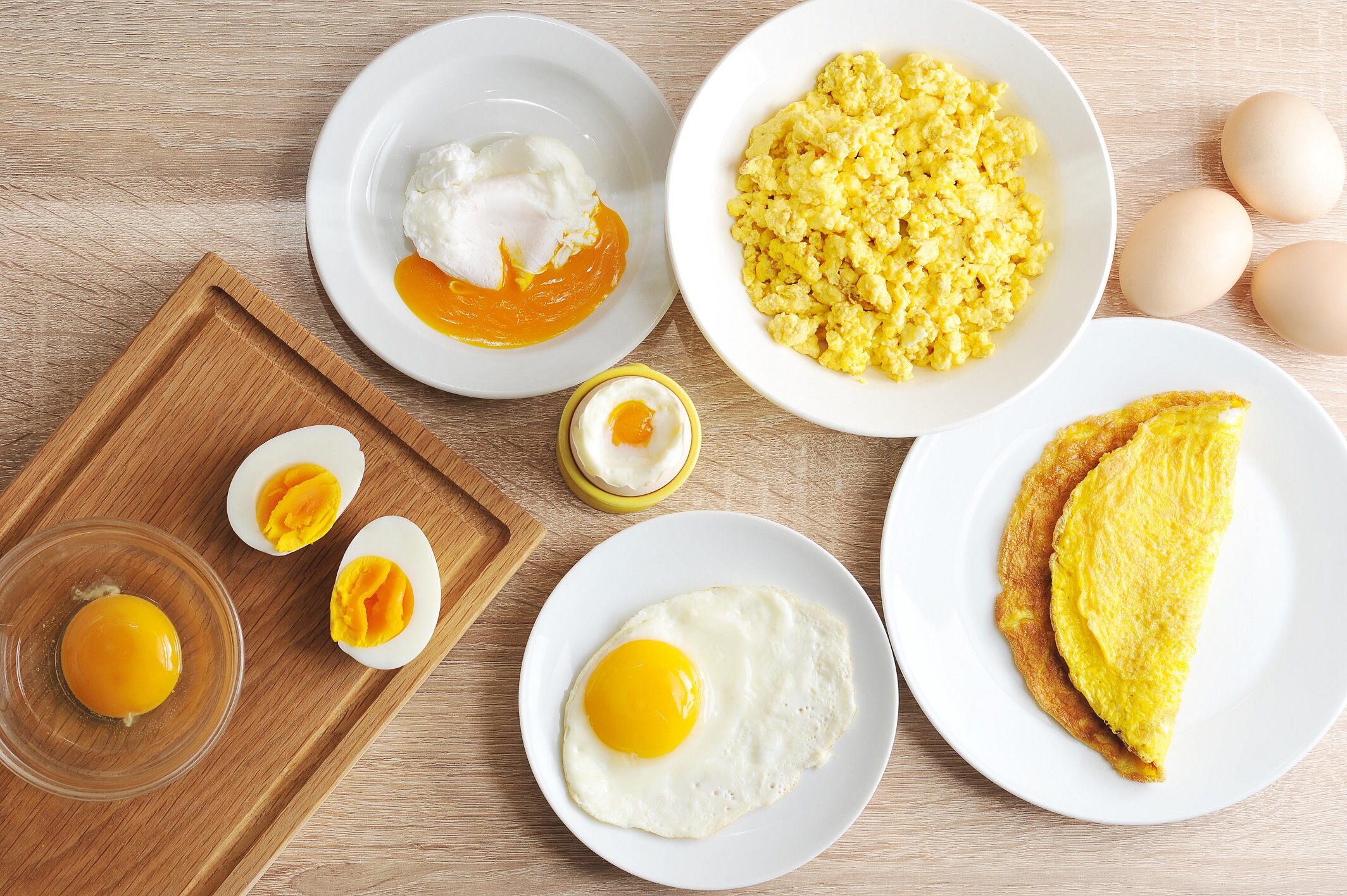
What is your favorite way to eat/prepare eggs?
Vote for your favorite way to prepare eggs!
- 45 replies
Featured by Bob


How Ultra-Processed Foods Differ From Other Processed Foods
FROZEN PIZZA, PRE-PACKAGED meal, fast food, and canned soup may pop into your diet from time to time. These foods are tasty and convenient. But, they’re also ultra-processed, and eating too many isn’t great for your health.
“There are several definitions for ultra-processed food,” says Gina Granich, R.D., an instructor at the University of South Florida College of Public Health. “Simply put, an ultra-processed food is a food item, typically packaged, that has numerous manufactured ingredients that are added to it. Think salt, sugar, fats, enzymes, and more.”
Three-quarters of Americans say they consider whether foods are processed, and more than 60 percent try to avoid them, according to the International Food Information Council’s 2023 Food and Health Survey.
But, not all processed foods are created equal. Most foods are processed to some extent to make them safe to eat.
For instance, the U.S. Department of Agriculture counts foods that have been canned, frozen, chopped, pasteurized, or dehydrated as processed. Minimally processed foods, like frozen vegetables, canned beans, or pre-cut fruit, can be healthy additions to your diet, Granich says.
But, if you notice that a food label has a long list of ingredients that you’ve never heard of and can’t pronounce, it’s most likely an ultra-processed food. And, dietitians say it’s best to limit them.
“The closer a food is to its natural state, the better,” Granich explains. “Ultra-processed foods are not very similar to the original food item due to all the additives. Some of the added ingredients are not typically things that you would eat but are added to modify taste or texture.”
Here’s what you should know about ultra-processed foods, how they affect your health, and how many of these foods you should incorporate into your diet.
What Exactly Are Ultra-Processed Foods?
Foods that have been through several processing steps and include many additives, preservatives, and artificial components are considered ultra-processed, explains Leah Silberman, R.D., a registered dietitian with Medical Offices of Manhattan.
Frozen or ready-to-eat meals, chips, cookies, hot dogs, soft drinks, sugary cereal, fast food burgers and fries—they're all examples of ultra-processed foods.
“You might think of ultra-processed foods as highly designed items in which the natural ingredients have been substituted with synthetic ones. They are intended to be highly addictive, easy to use, and long-lasting," Silberman says.
Ultra-processed foods are appealing because they’re tasty, convenient, and usually inexpensive. “But, they do not contribute to our health,” Silberman says.
How to Understand Different Levels of Food Processing
Ultra-processed foods aren’t the only type of processed food. To understand the different kinds, the NOVA food classification system, developed by researchers at the University of Sao Paulo, Brazil, can help.
“The classification is best used when looking at the zoomed-out view of your diet,” says Stephanie Nelson, R.D., a registered dietitian at MyFitnessPal. “How much of your diet fits into each of those categories, generally? If most of your meals come from the ultra-processed category, it’s probably time to make some changes based on preferences, access, and affordability.”
The system categorizes processed foods into four groups:
Group 1: Unprocessed or Minimally Processed Foods
This group includes fresh fruits, vegetables, milk, meat, or eggs that are in their original state or have had inedible or unwanted parts, like stems or fat, removed by product manufacturers. To preserve the foods, make them suitable for storage, and safe to eat, manufacturers may freeze, dry, or pasteurize the product.
Pre-cut fruits and vegetables that have just been peeled, washed, and packaged fall into this category, Silberman says. Generally, these foods retain their original vitamins, minerals, fiber, and other health benefits.
Group 2: Processed culinary ingredients
Oils, butter, sugar, salt, and flour fall into this category. They’ve been milled or pressed to create items that are used to prepare the foods in Group 1. They’re rarely eaten on their own.
Group 3: Processed Foods
Cheese, canned vegetables and fish, fruits in syrup, and packaged bread are examples of processed foods. They are recognized as modified versions of Group 1 and may contain added ingredients, like sugar, salt, and preservatives.
Group 4: Ultra-Processed Food and Drink Products
These are formulations derived from foods, additives, preservatives, and stabilizers. They’re typically created by industrial processes. Ultra-processed foods include prepared or packaged pizza, meat, or pasta, as well as soft drinks, fast food, cookies, and packaged bread. They contain multiple, usually unrecognizable ingredients.
Are Ultra-Processed Foods Bad For Your Health?
Generally, people eat too many ultra-processed foods—they make up almost 60 percent of the calories eaten in the U.S., according to a study published in BMJ Open. These foods lack vital nutrients and are loaded with harmful ingredients, Silberman says.
“Too much sugar, bad fats, salt, and artificial ingredients are often found in these foods,” she says. “Nutrient shortages and other health issues, including obesity, heart disease, and diabetes, may result from a diet consisting mostly of these items.”
They may be linked to cognitive decline, too. A recent study found that people who ate more than 20 percent of their daily calories from ultra-processed foods had a 28 percent faster decline in cognition and 25 percent faster decline in executive functioning.
Ultra-processed foods, which often contain artificial flavorings and sweeteners, are designed to be highly palatable, and Silberman says they can be addictive. Research shows that eating more ultra-processed foods leads to an overall increased calorie intake and weight gain.
Research has also shown that people who consume more ultra-processed foods may have higher risks for cardiovascular disease, coronary heart disease, and cerebrovascular disease.
“When ultra-processed foods make up the majority of your diet, it’s probably a good indicator that your diet quality is low,” Nelson says.
Should You Eat Ultra-Processed Foods?
It’s best to limit ultra-processed foods and focus on consuming unprocessed or minimally processed items, Granich says. Check the ingredients list, and the smaller the list, the better.
“Bonus points if there isn’t an ingredient list because you’re purchasing whole fruits and vegetables in their most natural form,” she adds.
If unprocessed foods aren’t accessible to you, canned or frozen items are your next best bet.
When most of your diet consists of nutrient-dense unprocessed or minimally processed foods, with plenty of fruits and vegetables, eating an ultra-processed food occasionally isn’t the end of the world, Silberman says. Just try to keep the portions small.
There’s usually no need to eliminate ultra-processed foods entirely or scrutinize every food in your diet, Nelson says.
“Overall, focus on eating enough fruits, veggies, and whole grains, hitting your protein, fiber, vitamin, and mineral goals, and staying under your added sugar, sodium, and saturated fat goals,” she explains. “Sprinkle in your favorite ultra-processed foods, and make compromises when ultra-processed foods become the centerpiece of your meal.”
Try 200+ at home workout videos from Men’s Health, Women’s Health, Prevention, and more on All Out Studio free for 14 days!
Article Source: https://www.msn.com/en-us/health/nutrition/how-ultra-processed-foods-differ-from-other-processed-foods/ar-AA1dPfFc