Welcome to our Carnivore / Ketovore / Keto Online Community!
Welcome to Carnivore Talk! An online community of people who have discovered the benefits of an carnviore-centric ketogenic diet with the goal of losing weight, optimizing their health, and supporting and encouraging one another. We warmly welcome you! [Read More]
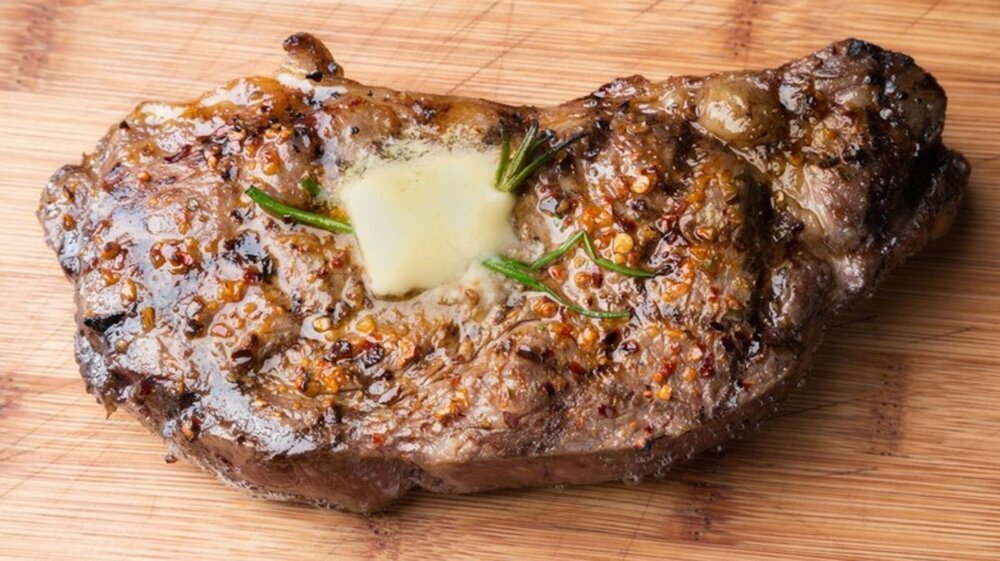
The Best Way To Reheat a Steak, According To Chef David Rose
- Views 1.3k
- Created
- Last Reply
Posted Images

Featured Replies
Similar Content
-
- 37 replies
- 5,952 views



Featured Content
-
"World Carnivore Month" January Challenge!
Today is the first day of January and is also the first day of World Carnivore Month. To that end, let's challenge ourselves to eat a carnivore diet for the entire month of January. The type of carnivore diet and the level of strictness you choose to do is entirely up to you. Examples of carnivore diets include the following... 1) The Lion Diet. A person eating the Lion Diet only consumes the flesh of ruminant animals, water, and salt. 2) The BBBE Diet. BBBE is an acronym for Beef, Butter, Bacon, and Eggs. 3) The Carnivore Diet. This allows for the consumption of any and all animals and animal by-products, including dairy. In any of the above examples, the object of course is to not consume any plants as part of your diet. Of course, we're not going to micromanage hoe you prepare your food, so your use of seasonings is entirely your own personal choice. IF your circumstances don't allow you to go full on carnivore in January, then you can participate in this topic by challenge yourself to do better, above and beyond what you have been doing. For example, if you have still been eating grains, seed oils, refined sugar, or drinking alcohol, challenge yourself to avoid these items and just eat a clean, single ingredient whole foods diet such as clean keto, ketovore, or animal based. We encourage you to check in daily, and share what you have eaten, perhaps a weigh-in if you're willing, and enjoy in some small talk. Participants in this topic will be entered into a drawing for a prize at the end of the month.-
- 193 replies
 Featured by Guest
 -
-
What is your favorite way to eat/prepare eggs?
Vote for your favorite way to prepare eggs!
- 45 replies
Featured by Bob



The Best Way To Reheat Steak, According To Omaha Steaks Executive Chef David Rose – Exclusive
BY OLIVIA BRIA/DEC. 25, 2023 11:15 AM EST
Grandriver/Getty
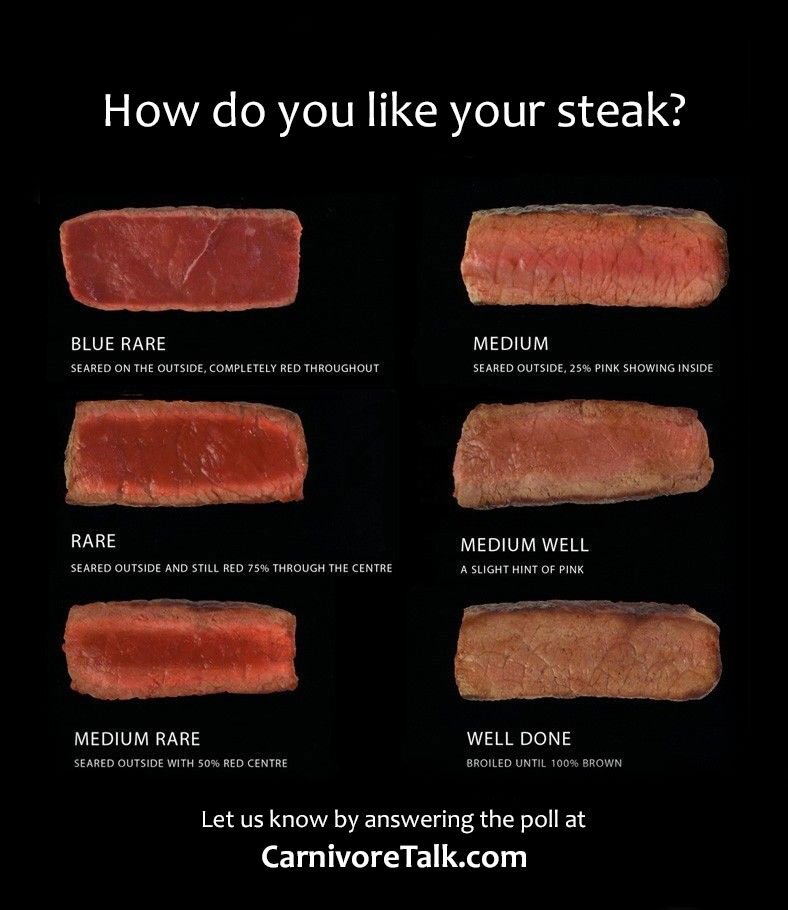
Leftovers can be the best part of cooking and eating out. Who doesn't love heating up last night's fettuccine alfredo for lunch the next day? Unfortunately, reheating food doesn't always result in the flavor of the food you had the evening before, and sometimes, you end up overcooking it. If you put steak in the microwave, it will cook more, which could result in a medium cut turning into medium well. So, how do you reheat this protein to perfection?
Executive Chef for Omaha Steaks, David Rose, advises using a cast iron pan for optimal flavor. "Slice that nice hunk [of] steak off and use a nice, rip-roaring cast iron pan to get that steak to room temperature," he remarks in an exclusive interview with Mashed. Getting your steak to room temperature is the key to reheating it. If the meat is at a fridge temperature, you risk burning it.
Stay away from the microwave
Azmanl/Getty Images
"[The steak is already] at the temperature you made it before," David Rowe said. He told Mashed to "stay far away from the microwave" when it comes to roasts, steaks, and red meat. The oven or a cast iron pan works best. At this point, you'll want to add some more olive oil or butter and sear the steak as when originally cooked. Don't do it at too low heat, though, as a quick pan fry will do the job just fine.
Heat until the steak reaches the desired temperature, and you will have a revived, juicy steak. Rose also advises staying true to the aforementioned steps, adding, "There are a million different ways to do it." Read this article to understand the mistakes everyone makes when reheating steak before learning the best trick for reheating steak. Whichever method is the best tasting for you is the one that works!
ARTICLE SOURCE: https://www.mashed.com/1478185/best-way-to-reheat-steak-according-david-rose-interview/
-----------------------------------------------
Static Media Terms at the time of posting: "You are not permitted to reproduce Static Media Content in any online website or distribution method (e.g., online forums, mailing lists or newsgroups) if for any reason (including any third party technical or legal restrictions) you do not provide a link back to the specific URL of the Static Media Content.
So once again, ARTICLE SOURCE: https://www.mashed.com/1478185/best-way-to-reheat-steak-according-david-rose-interview/
-----------------------------------------------