Welcome to our Carnivore / Ketovore / Keto Online Community!
Welcome to Carnivore Talk! An online community of people who have discovered the benefits of an carnviore-centric ketogenic diet with the goal of losing weight, optimizing their health, and supporting and encouraging one another. We warmly welcome you! [Read More]
- Replies 2
- Views 1k
- Created
- Last Reply


Popular Days
Most Popular Posts
-
That’s wonderful. I find it strange though that modern medicine is so blind that they can’t see that there are treatments out there that go back hundreds of years that worked and that most of the aff
-
Right. Or oftentimes you hear "The keto diet was created in the 1920's as a way to treat epilepsy". Say again? lol. The keto diet is the original human diet, and has been around for ages and ages
Posted Images

Featured Replies
Similar Content
-
- 0 comments
- 1,239 views
-
- 0 comments
- 2,010 views
Featured Content
-
"World Carnivore Month" January Challenge!
Today is the first day of January and is also the first day of World Carnivore Month. To that end, let's challenge ourselves to eat a carnivore diet for the entire month of January. The type of carnivore diet and the level of strictness you choose to do is entirely up to you. Examples of carnivore diets include the following... 1) The Lion Diet. A person eating the Lion Diet only consumes the flesh of ruminant animals, water, and salt. 2) The BBBE Diet. BBBE is an acronym for Beef, Butter, Bacon, and Eggs. 3) The Carnivore Diet. This allows for the consumption of any and all animals and animal by-products, including dairy. In any of the above examples, the object of course is to not consume any plants as part of your diet. Of course, we're not going to micromanage hoe you prepare your food, so your use of seasonings is entirely your own personal choice. IF your circumstances don't allow you to go full on carnivore in January, then you can participate in this topic by challenge yourself to do better, above and beyond what you have been doing. For example, if you have still been eating grains, seed oils, refined sugar, or drinking alcohol, challenge yourself to avoid these items and just eat a clean, single ingredient whole foods diet such as clean keto, ketovore, or animal based. We encourage you to check in daily, and share what you have eaten, perhaps a weigh-in if you're willing, and enjoy in some small talk. Participants in this topic will be entered into a drawing for a prize at the end of the month.-
- 193 replies
 Featured by Guest
 -
-
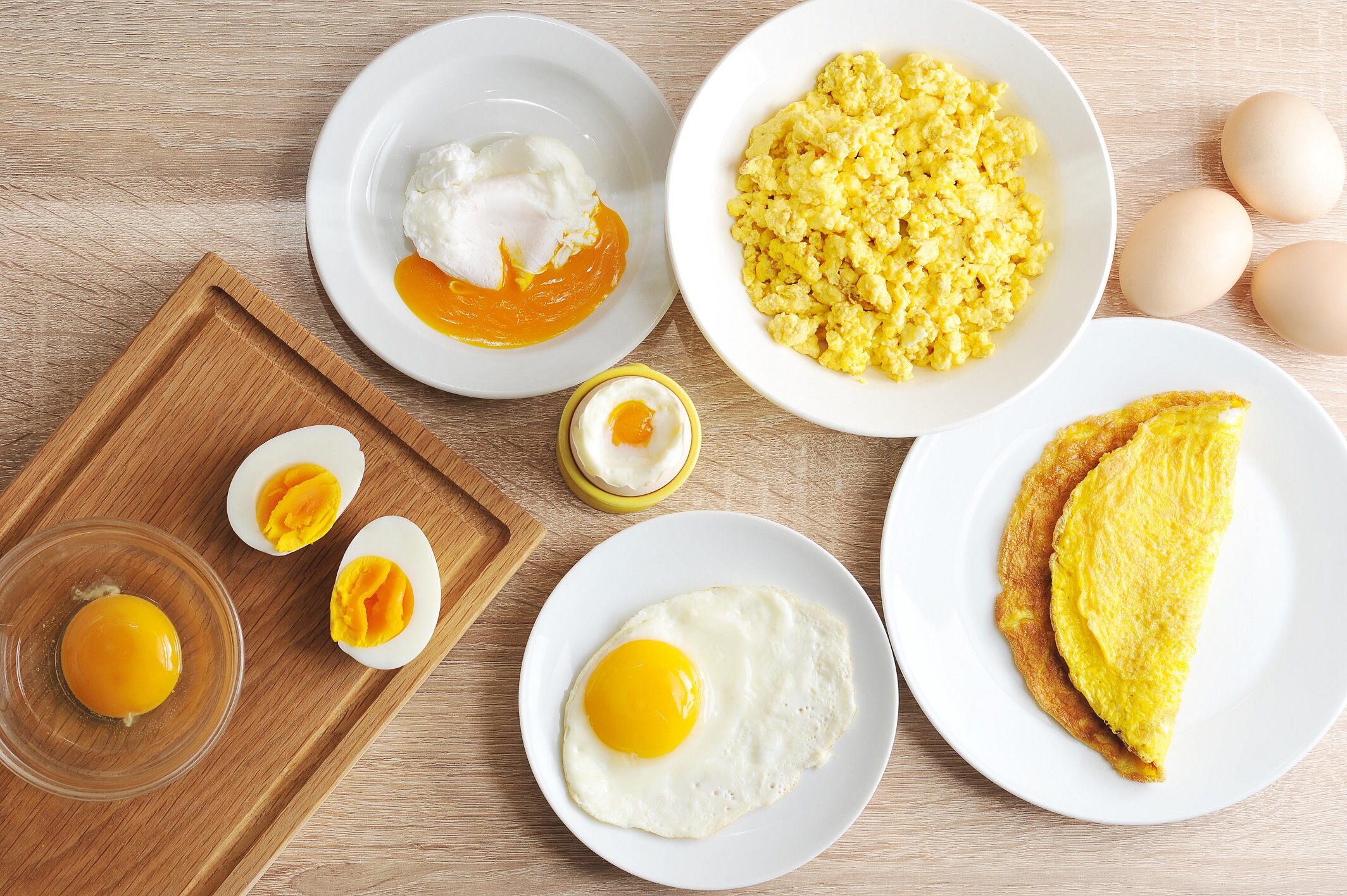
What is your favorite way to eat/prepare eggs?
Vote for your favorite way to prepare eggs!
- 45 replies
Featured by Bob


Ketogenic diet has helped a Jackson 4-year-old become seizure free
Published: Jan. 18, 2024, 2:07 p.m.
By Chloe Miller | *****@*****.tld
JACKSON, MI – Four-year-old Ellie Stevenson’s diet differs from a typical kid her age.
Her plate is usually full of ingredients that have been weighed to the exact gram to ensure she’s eating the precise ratio of protein, fat and carbs. This is because her meals are essential to preventing seizures from epilepsy.
Before this, Ellie would have anywhere between one to 10 seizures a day. But, after following the ketogenic diet at C.S. Mott Children’s Hospital for nearly a year, she’s celebrating almost nine months of being seizure free.
“She’s just blossomed, she’s returned to her normal self and then just kind of kept going,” Ellie’s mom Katrina Stevenson said. “She has become so much more social, energetic.”
Ellie was diagnosed with epilepsy in 2022. Katrina was getting ready for work, when she went to check on Ellie in her room and found her asleep on the floor. She, and Ellie’s dad Greg Stevenson, checked the camera in her room and saw that Ellie had had a seizure and collapsed onto the ground.
“It came out of nowhere,” Katrina said.
The family went to the hospital emergency room where electroencephalogram monitoring was done. Eventually, the family was referred to Mott, where Ellie was diagnosed with epilepsy with myoclonic-atonic seizures, or EMAtS, Greg said.
From there, Ellie was prescribed medications, which helped a little, but ultimately didn’t work, Katrina said, adding she was also fitted for a helmet and face shield, so she could stop “hurting that sweet little face,” but it didn’t allow the independence a child her age needed.
So, doctors suggested they try something different -- the ketogenic diet. The family had open ears. Ellie was admitted to the hospital, where they family began to work with pediatric epilepsy dietitian Jwana Al Mulki.
“We felt like we exhausted all other options with Ellie, and we got to the point where really the ketogenic diet was our last resort,” Al Mulki said.
The ketogenic diet is very high in fat, moderate in protein and low in carbs, she said. Meals look different based on the ratios prescribed to patients, but it often consists of butter, cream and avocados, as well as limited amounts of meats, nuts and vegetables, Al Mulki said.
Each meal requires careful measurements through a keto diet calculator and food scale.
“In order to be successful in the diet, we need to stick with that prescribed ratio, which requires measuring out every single ingredient of every single meal and snack, so it is very time consuming to say the least,” Al Mulki said.
Ellie began the ketogenic diet in January of 2023, and since April 2023, she has been seizure free.
The ketogenic diet forces fat to be used for energy, instead of glucose, Al Mulki said. The fat is broken down into ketones and the ketones are used by the brain as an alternative source of energy, which doctors believe helps with seizure control.
The medical ketogenic diet has been used for a treatment of epilepsy since the 1920s, Al Mulki said, and it has been especially life changing for Ellie and her family.
Some of Ellie’s favorite foods include sausage, salmon, whipped cream, raspberries, strawberries and cucumbers. She also opts to have avocado oil in a syringe to increase ketones, and Katrina said she’s always trying out new recipes and recreates dishes like cupcakes, doughnuts and low-carb pizza.
Among the minor struggles now is just ensuring Ellie eats her full plate and measuring out her meals, Greg and Katrina said, adding that it’s worth it to see Ellie be able to play like a normal 4 year old.
“We always say just how brave and strong she is to go through this, and just being such a good sport of it all,” Greg said.
Since being seizure free, Ellie can play freely alone in her room. She also enjoys playdates and loves playing soccer. The Stevenson family was also able to take a long-awaited trip to Disney World last summer.
It’s really strengthened, I think, our relationships,” Greg said. “This was something that brought us, as a family, closer together.”
Ellie’s Mott Children’s Hospital care team believes it will be possible for Ellie to come off her anti-seizure medicine when she is older, and to eventually age out of her epilepsy, Greg said, adding that for now, the family is just excited to see how far Ellie has come.
ARTICLE SOURCE: https://www.mlive.com/news/jackson/2024/01/ketogenic-diet-has-helped-a-jackson-4-year-old-become-seizure-free.html
Subscribe to Carnivore Talk on YouTube | Be our guest on the channel | Leave me a voicemail, yo!