Welcome to our Carnivore / Ketovore / Keto Online Community!
Welcome to Carnivore Talk! An online community of people who have discovered the benefits of an carnviore-centric ketogenic diet with the goal of losing weight, optimizing their health, and supporting and encouraging one another. We warmly welcome you! [Read More]
- Replies 34
- Views 4.6k
- Created
- Last Reply



Most Popular Posts
-
I’ve done planned cheat days of taco bowls (no shells just salad) with beef and taco seasoning, shredded cheese, lettuce tomato raw onion and hot sauce definitely not carnivore but it felt like
-
Funny, but when the wife and I conjure up something fancy to prep and cook.... we finish our meal, look at each other and say... "A Ribeye would have been better." 🤣
-
Ok now you’re talkin. I grew up on Mexican food and figured it was gone forever but you may have given me new hope. For someone in maintenance mode like me those few carbs is no big deal. I can’t deal
Posted Images

Featured Replies
Featured Content
-
"World Carnivore Month" January Challenge!
Today is the first day of January and is also the first day of World Carnivore Month. To that end, let's challenge ourselves to eat a carnivore diet for the entire month of January. The type of carnivore diet and the level of strictness you choose to do is entirely up to you. Examples of carnivore diets include the following... 1) The Lion Diet. A person eating the Lion Diet only consumes the flesh of ruminant animals, water, and salt. 2) The BBBE Diet. BBBE is an acronym for Beef, Butter, Bacon, and Eggs. 3) The Carnivore Diet. This allows for the consumption of any and all animals and animal by-products, including dairy. In any of the above examples, the object of course is to not consume any plants as part of your diet. Of course, we're not going to micromanage hoe you prepare your food, so your use of seasonings is entirely your own personal choice. IF your circumstances don't allow you to go full on carnivore in January, then you can participate in this topic by challenge yourself to do better, above and beyond what you have been doing. For example, if you have still been eating grains, seed oils, refined sugar, or drinking alcohol, challenge yourself to avoid these items and just eat a clean, single ingredient whole foods diet such as clean keto, ketovore, or animal based. We encourage you to check in daily, and share what you have eaten, perhaps a weigh-in if you're willing, and enjoy in some small talk. Participants in this topic will be entered into a drawing for a prize at the end of the month.-
- 193 replies
 Featured by Guest
 -
-
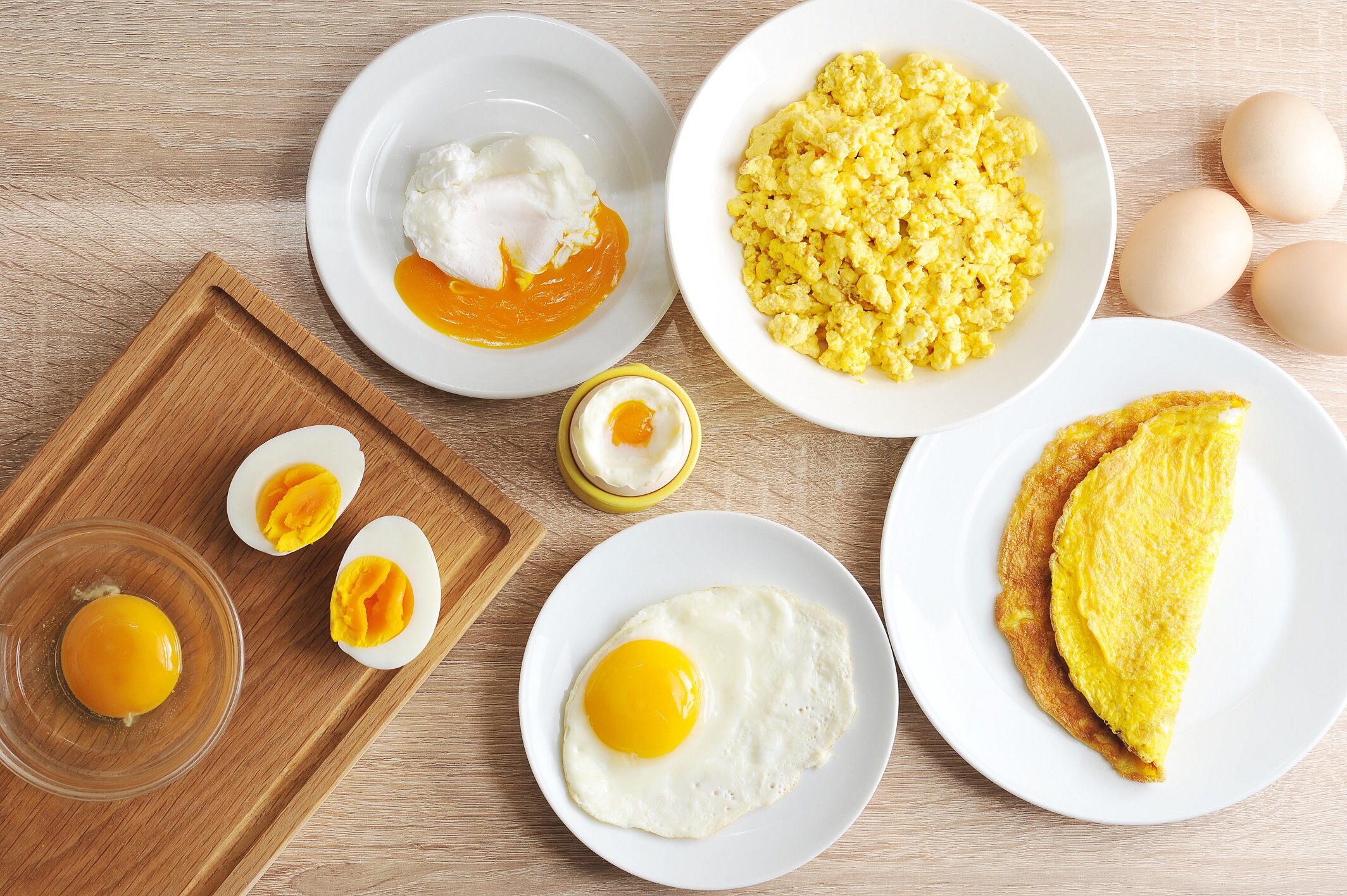
What is your favorite way to eat/prepare eggs?
Vote for your favorite way to prepare eggs!
- 45 replies
Featured by Bob



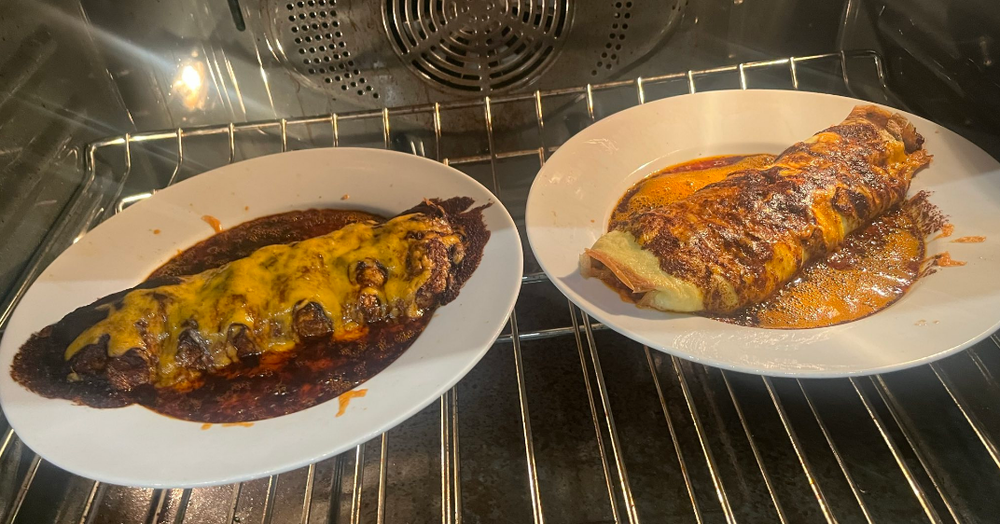
The wife and I are fanatics about Mexican Food and we simply refuse to give up on it. Also, over the last three decades, we have learned to cook our own. We just have to be creative on carnivore, so here is how we make extremely low carb, Beef enchiladas, perfect for the Carnivore diet.
The only carb is see in this whole recipe is 1 gram in the Sharp Cheddar Cheese, 1/2 a gram in the Garlic Powder and 1/2 a gram in the Cumin. So 2 grams total and the sauce serves two-three people.... so very, very little carb, maybe less than 2 grams for the whole plate. (By the way, zero carb in the dried chili's.)
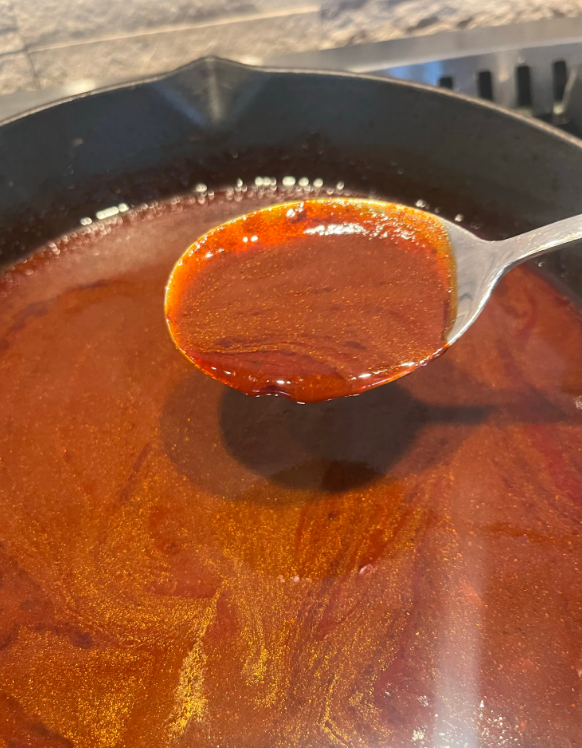
1. Make your own Enchilada Sauce, because we have not been able to find zero carb Enchilada Sauce and homemade is better. Start out with a bag of dried chili's and toast them in a dry Iron Skillet for 5 minutes. Then put them in hot water for 30 minutes, and into the blender with salt, garlic powder and cumin. (very small amount of garlic and cumin). Once blended, strain the sauce and pour in a skillet to simmer.
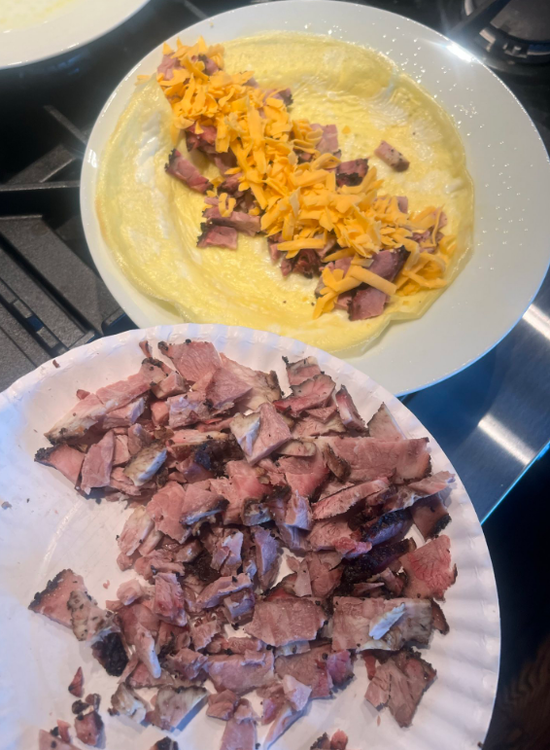
2. For two plates, crack three eggs and whip, adding about a 1/4 cup of water to make it more runny. Thinly coat a large skillet with butter, leaving very little oil and pour 1/2 the eggs in... (This is the one place I have to use a non-stick skillet). Rotate the pan handle, allowing the egg to flow all around the pan, making something that looks like a crepe...... very thin. You have to flip and cook the other side, or you can cheat like I do and have an oven cook the top with the broiler.
3. Brown a pound of hamburger meat and salt to taste.
4. Now you can build your enchilada. Lightly coat an oven safe plate with melted butter and place the egg crepe on the plate. On the crepe place your hamburger and a little sharp cheddar cheese and then drizzle some of the enchilada sauce on the inside and roll up. Drizzle the outside with more sauce and put a little cheese on top and put the plate in an oven on 350 degrees for 20 minutes.
5. We put a dish towel on the table, as a hot plate is about to come out of the oven.
If you called this a splurge or a meal on a cheat day...... you are cheating very little. I need this meal once a week.
I suppose you should stay away from this recipe if you have determined that chili's and/or enchilada sauce mess with your body. I was eating EVERY chili and hot peppers since I was a child and my body loves it. By the way, chili's are rich in vitamins and minerals - a good source of Vitamin B6, Vitamin C, Vitamin B12, Vitamin E, Phosphorus, Calcium, Potassium, Zinc and Selenium.
PS. If you wanted zero carb enchiladas, just eliminate the cheese, garlic and cumin. They will still be darn good.