Welcome to our Carnivore / Ketovore / Keto Online Community!
Welcome to Carnivore Talk! An online community of people who have discovered the benefits of an carnviore-centric ketogenic diet with the goal of losing weight, optimizing their health, and supporting and encouraging one another. We warmly welcome you! [Read More]
The supplement that dramatically cuts heart attack risk
- Replies 2
- Views 368
- Created
- Last Reply


Popular Days
Posted Images
Featured Replies
Similar Content
-
- 0 comments
- 0 views
-
- 8 replies
- 2,296 views


Featured Content
-
"World Carnivore Month" January Challenge!
Today is the first day of January and is also the first day of World Carnivore Month. To that end, let's challenge ourselves to eat a carnivore diet for the entire month of January. The type of carnivore diet and the level of strictness you choose to do is entirely up to you. Examples of carnivore diets include the following... 1) The Lion Diet. A person eating the Lion Diet only consumes the flesh of ruminant animals, water, and salt. 2) The BBBE Diet. BBBE is an acronym for Beef, Butter, Bacon, and Eggs. 3) The Carnivore Diet. This allows for the consumption of any and all animals and animal by-products, including dairy. In any of the above examples, the object of course is to not consume any plants as part of your diet. Of course, we're not going to micromanage hoe you prepare your food, so your use of seasonings is entirely your own personal choice. IF your circumstances don't allow you to go full on carnivore in January, then you can participate in this topic by challenge yourself to do better, above and beyond what you have been doing. For example, if you have still been eating grains, seed oils, refined sugar, or drinking alcohol, challenge yourself to avoid these items and just eat a clean, single ingredient whole foods diet such as clean keto, ketovore, or animal based. We encourage you to check in daily, and share what you have eaten, perhaps a weigh-in if you're willing, and enjoy in some small talk. Participants in this topic will be entered into a drawing for a prize at the end of the month.-
- 193 replies
 Featured by Guest
 -
-
What is your favorite way to eat/prepare eggs?
Vote for your favorite way to prepare eggs!
- 45 replies
Featured by Bob



This supplement dramatically cuts heart attack risk, scientists say
Story by Vishwam Sankaran
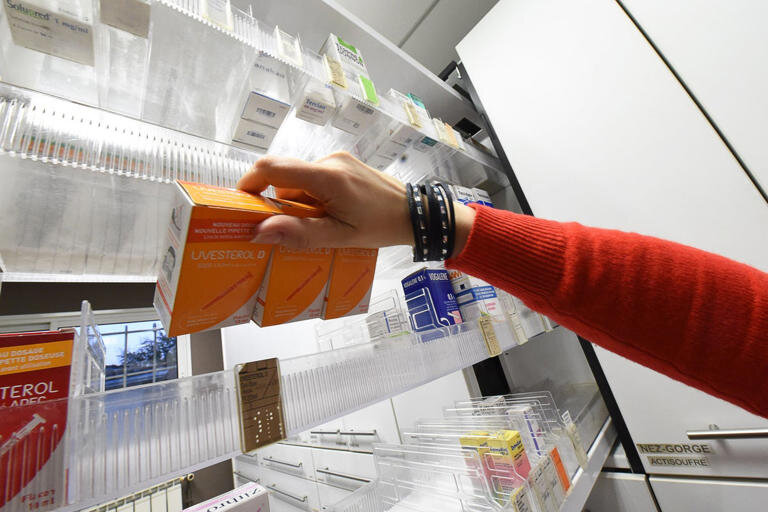
A pharmacist removes boxes of "Uvesterol D" vitamin medication from a shelf© AFP via Getty Images
Scientists have found tailoring the intake of vitamin D in patients diagnosed with heart disease can dramatically cut the risk of heart attacks.
The finding suggests individualising vitamin D doses for patients based on their blood levels rather than administering uniform “one-size-fits-all” doses as has been done commonly until now.
Vitamin D is a hormone mainly synthesised in the skin via sunlight exposure, and is known for its positive effects on inflammation and heart health.
Widespread vitamin D insufficiency and the growing burden of heart disease globally emphasise the need for simple, cost-effective interventions to reduce death risk.
While low vitamin D concentration is linked to adverse heart disease outcomes, intervention studies until now have yielded inconsistent results, researchers say.
Now, scientists call for tailoring vitamin D intake for each patient to achieve optimal circulating levels as a key strategy to mitigate heart disease risk.
“Our results suggest that targeting vitamin D supplementation based on blood levels can significantly diminish the risk of subsequent heart attacks,” said epidemiologist Heidi T May from Intermountain Health.
“This approach demands a personalised, vigilant clinical protocol that diverges from the traditional fixed-dose model,” said Dr May, an author of the study presented at the American Heart Association’s Scientific Sessions 2025.
Researchers recommend a rigorous monitoring protocol which adjusts vitamin D supplementation every three months.
The latest clinical trial assessed 630 adult participants diagnosed with acute heart disease at Intermountain Medical Center in Utah for a six-year period, with an average follow-up of just over four years.
Nearly half had a history of prior heart attack.
Over 85 per cent of participants initially had suboptimal vitamin D levels below 40 nanograms per millilitre (ng/mL) of blood, underscoring widespread insufficiency of the hormone in this population.
Researchers grouped the participants randomly into two groups – one, which received standard care without vitamin D level management, and another treatment arm, which underwent serial blood testing and personalised dosing of the hormone to surpass the 40 ng/mL threshold safely.
Scientists found that the treatment group experienced a 52 per cent reduction in the risk of recurrent heart attacks compared to controls.
This finding marks one of the most significant effect sizes reported in recent vitamin D cardiovascular research, researchers noted.
However, researchers urge doctors to be cautious of the findings as it remains to be corroborated by larger, peer-reviewed trials.
Nonetheless, they say the data could pave the way for new heart attack prevention strategies centered on nutrient optimisation.
ARTICLE SOURCE: https://www.msn.com/en-us/health/other/this-supplement-dramatically-cuts-heart-attack-risk-scientists-say/ar-AA1QcrMa?
Subscribe to Carnivore Talk on YouTube | Be our guest on the channel | Leave me a voicemail, yo!