Welcome to our Carnivore / Ketovore / Keto Online Community!
Welcome to Carnivore Talk! An online community of people who have discovered the benefits of an carnviore-centric ketogenic diet with the goal of losing weight, optimizing their health, and supporting and encouraging one another. We warmly welcome you! [Read More]
Oreo Cookies lower LDL Cholesterol better than Statins
- Replies 4
- Views 1.4k
- Created
- Last Reply


Popular Days
Most Popular Posts
-
I’m going to use this the next time my doctor insists that I go on a statin. Sent from my iPhone using Tapatalk
-
My wife takes a statin. She recently had her labs done and the doc wants to up her dose because he's not happy with it. Fortunately he hasn't brought it up with me in a long time, and mine is sky high
-
I guess there’s now way you can convince her differently? I remember in my diet ignorant days when my doctor put me on statins my wife wanted me to stop taking them because of the side affects. At th
Featured Replies
Similar Content
-
- 3 replies
- 228 views
-
- 8 replies
- 2,446 views


Featured Content
-
"World Carnivore Month" January Challenge!
Today is the first day of January and is also the first day of World Carnivore Month. To that end, let's challenge ourselves to eat a carnivore diet for the entire month of January. The type of carnivore diet and the level of strictness you choose to do is entirely up to you. Examples of carnivore diets include the following... 1) The Lion Diet. A person eating the Lion Diet only consumes the flesh of ruminant animals, water, and salt. 2) The BBBE Diet. BBBE is an acronym for Beef, Butter, Bacon, and Eggs. 3) The Carnivore Diet. This allows for the consumption of any and all animals and animal by-products, including dairy. In any of the above examples, the object of course is to not consume any plants as part of your diet. Of course, we're not going to micromanage hoe you prepare your food, so your use of seasonings is entirely your own personal choice. IF your circumstances don't allow you to go full on carnivore in January, then you can participate in this topic by challenge yourself to do better, above and beyond what you have been doing. For example, if you have still been eating grains, seed oils, refined sugar, or drinking alcohol, challenge yourself to avoid these items and just eat a clean, single ingredient whole foods diet such as clean keto, ketovore, or animal based. We encourage you to check in daily, and share what you have eaten, perhaps a weigh-in if you're willing, and enjoy in some small talk. Participants in this topic will be entered into a drawing for a prize at the end of the month.-
- 193 replies
 Featured by Guest
 -
-
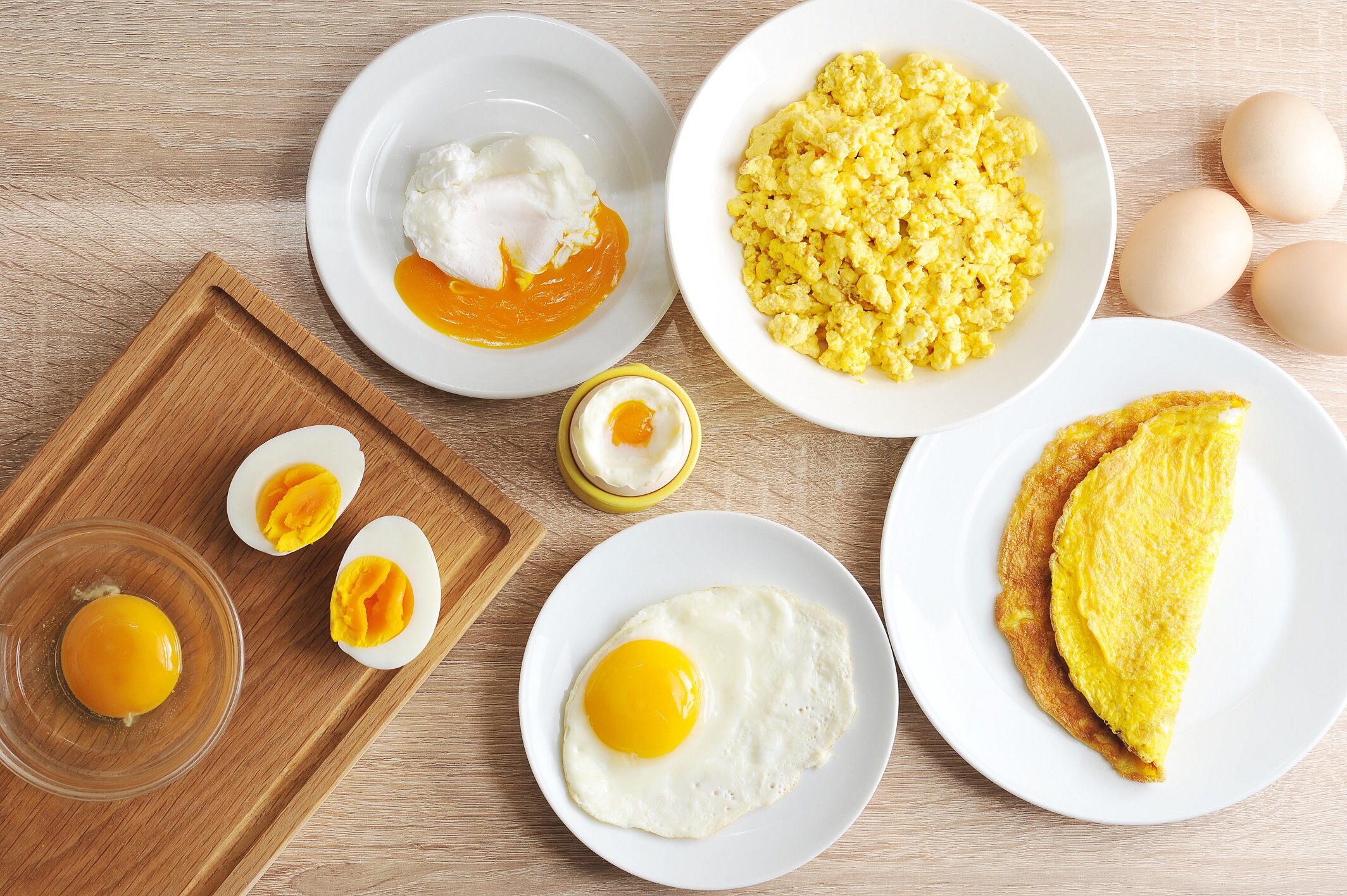
What is your favorite way to eat/prepare eggs?
Vote for your favorite way to prepare eggs!
- 45 replies
Featured by Bob


This is an interesting video. Nicholas Norwitz performed an experiment on himself, demonstrating that adding carbs to an otherwise ketogenic diet would lower LDL better than Statin therapy. He changed nothing about his normal daily diet, except for adding a bunch of cookies to his daily regimen.
Paper link: https://www.mdpi.com/2218-1989/14/1/73
Aim: To tested the prediction -- consistent with the Lipid Energy Model (below) -- that adding carbohydrates (in the form of Oreo cookies) to an LMHR on a ketogenic diet would reduce LDL-C levels by a similar, or greater, magnitude than high-intensity statin therapy.
Findings: Oreo supplementation (12 cookies/d) lowered LDL-C by 71% (273 mg/dl) in just 16 days. Rosuvastatin (20 mg/d) lowered LDL-C by 32.5% (137 mg/dl). Thus, Oreos were ~2X as potent as high-intensity statin therapy for LDL cholesterol lowering in this LMHR subject.
The Why: The LMHR phenotype has much to teach us about human metabolism, and cardiovascular disease pathophysiology. It's a new frontier that deserves further study, for the sake of the patients with this phenotype and for pure scientific curiosity! This experiment will serve as 'productive provocation,' a form of 'legit-bait' that will hopefully help prompt discussions and larger-scale experiments that need to happen.
Subscribe to Carnivore Talk on YouTube | Be our guest on the channel | Leave me a voicemail, yo!