Welcome to our Carnivore / Ketovore / Keto Online Community!
Welcome to Carnivore Talk! An online community of people who have discovered the benefits of an carnviore-centric ketogenic diet with the goal of losing weight, optimizing their health, and supporting and encouraging one another. We warmly welcome you! [Read More]
Vegan fake meats are linked to increase in heart deaths
- Replies 2
- Views 1.1k
- Created
- Last Reply


Popular Days
Most Popular Posts
-
Doesn’t surprise me a bit. Any time we get away from what is natural and species specific we put ourselves in danger. A very truthful statement in there was this. “I don't agree with the premise tha
-
Posted Images

Featured Replies
Similar Content
-
- 0 comments
- 0 views


Featured Content
-
"World Carnivore Month" January Challenge!
Today is the first day of January and is also the first day of World Carnivore Month. To that end, let's challenge ourselves to eat a carnivore diet for the entire month of January. The type of carnivore diet and the level of strictness you choose to do is entirely up to you. Examples of carnivore diets include the following... 1) The Lion Diet. A person eating the Lion Diet only consumes the flesh of ruminant animals, water, and salt. 2) The BBBE Diet. BBBE is an acronym for Beef, Butter, Bacon, and Eggs. 3) The Carnivore Diet. This allows for the consumption of any and all animals and animal by-products, including dairy. In any of the above examples, the object of course is to not consume any plants as part of your diet. Of course, we're not going to micromanage hoe you prepare your food, so your use of seasonings is entirely your own personal choice. IF your circumstances don't allow you to go full on carnivore in January, then you can participate in this topic by challenge yourself to do better, above and beyond what you have been doing. For example, if you have still been eating grains, seed oils, refined sugar, or drinking alcohol, challenge yourself to avoid these items and just eat a clean, single ingredient whole foods diet such as clean keto, ketovore, or animal based. We encourage you to check in daily, and share what you have eaten, perhaps a weigh-in if you're willing, and enjoy in some small talk. Participants in this topic will be entered into a drawing for a prize at the end of the month.-
- 193 replies
 Featured by Guest
 -
-
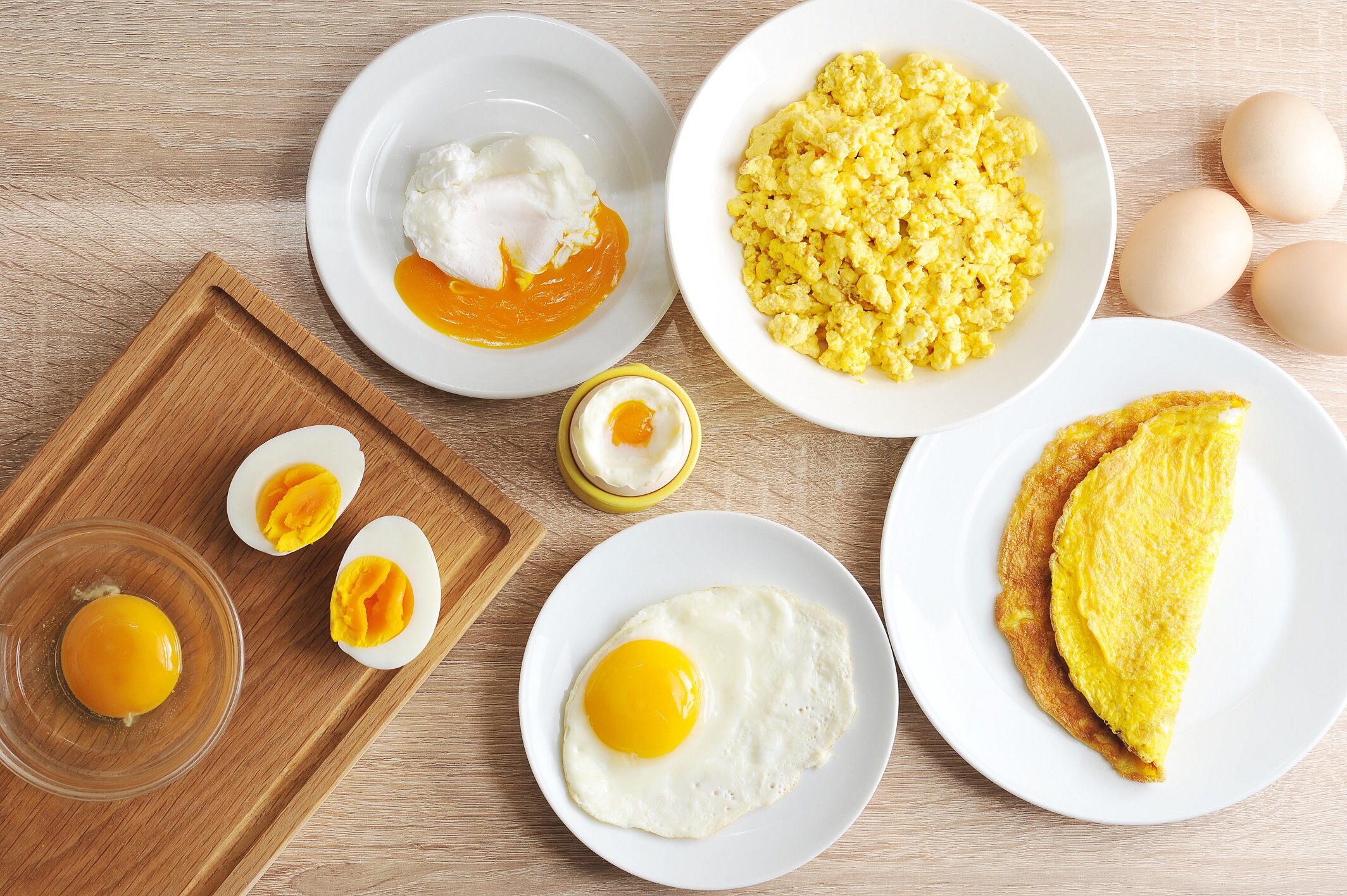
What is your favorite way to eat/prepare eggs?
Vote for your favorite way to prepare eggs!
- 45 replies
Featured by Bob



Vegan fake meats are linked to increase in heart deaths
Experts say plant-based diets can boost health – but NOT if they are ultra-processed
Story by Rebecca Whittaker For Mailonline and Kate Pickles Health Editor For The Daily Mail
Replacing meat and dairy with plant-based swaps might not be the simple health hack you think it is.
Although eating fresh vegetables is linked with a lower risk of cardiovascular diseases, you may want to reconsider how many vegan burgers and cakes you tuck into.
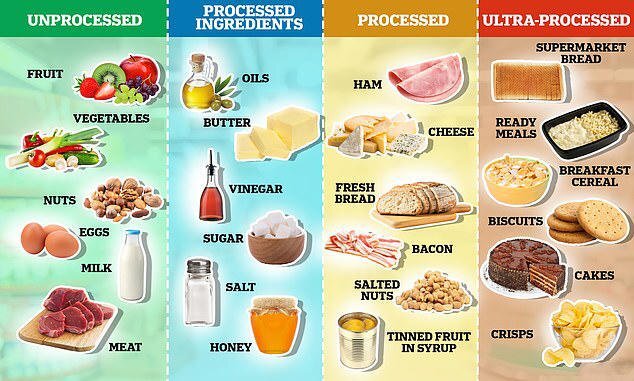
Scientists found opting for ultra-processed plant-based products — such as vegan sausages burgers intended to replace animal-based foods, as well as cakes and crisps — is linked with 15 per cent higher risk of suffering heart attacks and strokes.
That's according to analysis of more than 118,000 participants' diets from the UK Biobank study.
Packed with fat, salt and laden with sugar ultra-processed foods have long been vilified for increasing heart attack and stroke risk.
Now research published in Lancet Regional Health - Europe, suggests these dangers are even present in plant-based UPF's, with a high consumption linked to a 15 per cent increase in heart death.
The research, which involved experts from Imperial College London, utilised data from more than 118,000 Brits, aged 40 to 69 years, who had their diets assessed over at least two days.
Scientists split food into plant-based products, such as fruit, vegetables, grains, bread, as well as cakes and sweets, and animal-based products such as fish, poultry, red meat, eggs and dairy.
The two groups were then further divided into either ultra processed (UPF) and non-ultra processed.
This data was then linked to hospital and mortality records to obtain information on cardiovascular diseases.
People who ate a lot of plant-based ultra-processed foods had a 7 per cent greater risk of suffering conditions like blocked heart vessels and had a 15 per cent heightened risk of dying when compared to vegetarians whose diets had less.
Upping intake of none-processed vegetarian foods – such as fresh fruit and vegetables – by 10 per cent was linked to an 8 per cent lower risk of getting heart disease.
Deaths from heart disease fell by a fifth in vegetarians who consumed the least UPFs and 13 per cent in cardiovascular disease overall – caused by a build-up of fatty deposits inside the arteries.
Dr Eszter Vamos, co-author of the study, from Imperial College London’s School of Public Health, said: ‘Fresh plant-based foods such as fruits and vegetables, wholegrains and legumes are known to have important health and environmental benefits.
‘While ultra-processed foods are often marketed as healthy foods, this large study suggests that plant-based ultra-processed foods do not seem to have protective health effects and are linked to poor health outcomes.’
Food additives and industrial contaminants present in these foods could cause oxidative stress and inflammation, the scientists suggest.
They added that nutritional guidelines promoting plant-based diets and cutting down on meat must also promote the importance of avoiding UPFs for good heart health.
Study author Dr Fernanda Rauber, an expert in preventative medicine from the University of São Paulo in Brazil, said the it's the first to show plant-based ultra-processed foods are associated with increased the risk of cardiovascular diseases.
'Despite being plant-based, these foods may contribute to risk factors such as dyslipidemia and hypertension due to their composition and processing methods,' she said.
'Food additives and industrial contaminants present in these foods might cause oxidative stress and inflammation, further aggravating the risks.
'Therefore, our results support the shift towards plant-based food choices that consider the degree of processing to improve cardiovascular health outcomes.'
But independent experts said it was critical the study's findings are out into context.
They highlighted how research study lumped all plant-based UPFs together a process that included crisps, cakes, sweets and other fatty foods known to be bad for our heart health.
Professor Gunter Kuhnle, an expert in nutrition and food science at the University of Reading said: 'The results of the latest study on ultra-processed food are not surprising, as “plant-based ultra-processed foods” include foods that are well known to have an adverse effect on health: foods that are high in sugar, fat and salt.'
'The foods included are for example “pastries, buns and cakes”, “confectionary” and “soft drinks” – and their impact on health has been well known before the concept of ultra-processing has been popular,' he added.
'This might cause confusion among casual readers, as it could be misunderstood as plant-based alternatives to animal products such as plant-based drinks or meat alternatives. However, these foods appear to contribute only a small amount of total “UPF” intake in this study,' Professor Kuhnle stresses.
He adds that it's also 'not surprising' that eating more minimally processed food, such as fruit and vegetables, was a positive for heart health.
Dr Duane Mellor, dietitian and spokesperson for British Dietetic Association also said the way the study was designed needed to be considered.
'It explored the effects of all plant based ultra-processed foods – although this included plant-based meat alternatives, these only made up 0.2 per cent of the energy from ultra-processed foods consumed by participants who were followed during the study,' he said.
'The main foods which were considered as plant-based ultra-processed foods were processed baked foods including packaged breads, pastries and cake and biscuits along with crisps and soft drinks,' he said.
Dr Mellor added: 'So this study possibly highlights the problem that many foods that do not contain animal products, which includes biscuits, crisps, confectionary and soft drinks, are technically plant based but would not be considered essential as part of a healthy diet by the majority of people.
'So, it is important to emphasise that just because a food or drink is technically plant based, it does not mean it is healthy.'
Dr Hilda Mulrooney, a nutrition & health expert from London Metropolitan University, said the findings will ‘cause a stir’.
She said: ‘It is an area well worth exploring; I don’t agree with the premise that just because something is "plant-based", it is automatically healthy.
‘However, I also don’t think when people think of "plant-based" they think of bread, cereals etc. I imagine they think more of meat, fish and dairy product alternatives.’
She added: ‘Although some may assume the message of this study is that all ultra-processed plant-based foods are bad for health, I think that in fact what the evidence in the study actually shows is that poor diets are associated with increased risk of chronic diseases.’
Dr Mulrooney also believes there are limitations to the study.
She said: 'The study remains limited to showing associations and causality cannot be demonstrated. It also relies entirely on the NOVA classification system and a number of concerns about this have been raised – particularly that it assumes that the health implications of a foodstuff are based only on the degree of processing, rather than their nutritional content.
'For example, breakfast cereals are classed as ultra-processed and therefore should be avoided according to the rationale of the authors, but we know from the NDNS in the UK that breakfast cereals are important contributors to intakes of several nutrients.'
UPFs are foods that have undergone various modifications to extend their shelf life or make them more appealing to the consumer, or sometimes both.
An easy sign a food could be a UPF is if it contains ingredients you wouldn't find in your kitchen cupboard, such as unrecognisable colourings, sweeteners and preservatives.
Another clue is the amount of fat, salt and sugar lurking inside each pack, with UPFs typically containing high amounts.
ARTICLE SOURCE: https://www.msn.com/en-us/health/other/vegan-fake-meats-are-linked-to-increase-in-heart-deaths/ar-BB1nYBKR?
Subscribe to Carnivore Talk on YouTube | Be our guest on the channel | Leave me a voicemail, yo!