Welcome to our Carnivore / Ketovore / Keto Online Community!
Welcome to Carnivore Talk! An online community of people who have discovered the benefits of an carnviore-centric ketogenic diet with the goal of losing weight, optimizing their health, and supporting and encouraging one another. We warmly welcome you! [Read More]
latest blood work
- Replies 3
- Views 661
- Created
- Last Reply


Popular Days
Featured Replies
Featured Content
-
"World Carnivore Month" January Challenge!
Today is the first day of January and is also the first day of World Carnivore Month. To that end, let's challenge ourselves to eat a carnivore diet for the entire month of January. The type of carnivore diet and the level of strictness you choose to do is entirely up to you. Examples of carnivore diets include the following... 1) The Lion Diet. A person eating the Lion Diet only consumes the flesh of ruminant animals, water, and salt. 2) The BBBE Diet. BBBE is an acronym for Beef, Butter, Bacon, and Eggs. 3) The Carnivore Diet. This allows for the consumption of any and all animals and animal by-products, including dairy. In any of the above examples, the object of course is to not consume any plants as part of your diet. Of course, we're not going to micromanage hoe you prepare your food, so your use of seasonings is entirely your own personal choice. IF your circumstances don't allow you to go full on carnivore in January, then you can participate in this topic by challenge yourself to do better, above and beyond what you have been doing. For example, if you have still been eating grains, seed oils, refined sugar, or drinking alcohol, challenge yourself to avoid these items and just eat a clean, single ingredient whole foods diet such as clean keto, ketovore, or animal based. We encourage you to check in daily, and share what you have eaten, perhaps a weigh-in if you're willing, and enjoy in some small talk. Participants in this topic will be entered into a drawing for a prize at the end of the month.-
- 193 replies
 Featured by Guest
 -
-
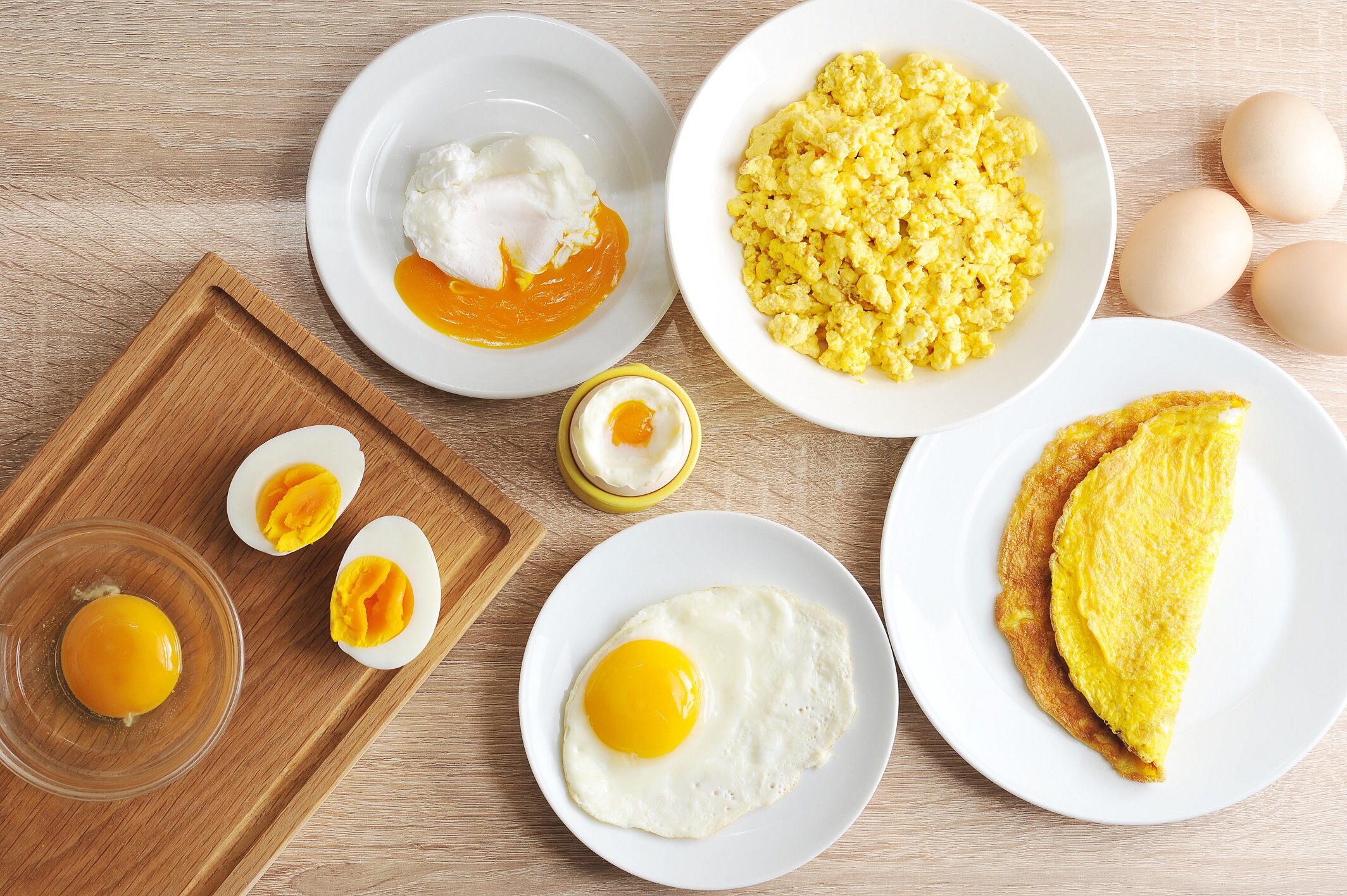
What is your favorite way to eat/prepare eggs?
Vote for your favorite way to prepare eggs!
- 45 replies
Featured by Bob



I have been on a stretch as of late where my annual physical at work, my HAZMAT physical and my infusions leave me with bloodwork about every three months or so. It has given me some numbers to trend for health wise but are more interesting to me since Carnivore. I have the before carnivore numbers and then afterwards as well.
August January
Total 219 219
Tri 75 76
HDL 37 35
LDL 187 152
Nothing has really changed in the last three months. If I did the math on beef to other meats, I am probably a tad more beef than before. The egg count is up, and the total amount of intake is up. I sort of naturally fell into OMAD and then when the weight lost got into the 70's and 80's I eased into a big egg breakfast. Mostly for two reasons, I do feel better, but I am 'weaker' at the lesser weight and two, the lifting is getting a little more intense per session/pushing a little more.
I think it was a really significant shift in the LDL. This upcoming week will be 8 months. I'm on a semi-stall the last couple of weeks around 82-85lbs lost as it bounces daily (I'm one of the not so smart people that tip the scales most every day). Still no pills for pain nor inflammation from the NMO/SD stuff.
My first real cheat was by accident, but I was dumb enough to finish the bottle of Nestle Kwik. I used a lot of toilet paper of the next few days. I think my stomach/my body explained to my brain that I had made a bad decision, sort of like, " I can show you better than I can tell you" or the age old, "if you are gonna be dumb, you better learn to be tough". Either way, lesson learned.
My wife makes an incredible red sauce when we cook ribs/pork and it is great on chicken as well. I tasted it the other night and maybe since it has been awhile, or maybe the body was reminding the brain about the sugar, it was OK, not all that appealing like it has been for 25+ years.
Kinda sorta where I am at after 8 months. I think for the next little while it will be the constant adjustments of amounts throughout the day. Satiety wise I am good at OMAD but the weight is falling with that and at times I look a bit sickly. I need to eat more if I am off-setting the muscle loss with the auto-immune disease and the increases in lifting. I think I might be "one meal and a half per day" OMAHAD. (if copyright and royalties are applied I will forward my address)
Appreciate the group. Appreciate the information exchange.
Scott