Welcome to our Carnivore / Ketovore / Keto Online Community!
Welcome to Carnivore Talk! An online community of people who have discovered the benefits of an carnviore-centric ketogenic diet with the goal of losing weight, optimizing their health, and supporting and encouraging one another. We warmly welcome you! [Read More]
Extremely exhausted -going into week 4
- Replies 6
- Views 1.2k
- Created
- Last Reply




Popular Days
Most Popular Posts
-
Bigger meals, fattier meat. Chicken and pork rinds should be considered a supplement to a meal. You will figure it out. You're still in a transitional period. This is the time to find out how bad you'
-
I don't know what you weigh, but that diet sounds pretty lean to me. No chicken for me (to little energy in chicken) . I'd suggest increase your fat (has twice the energy of protein or carbs) even if
-
Welcome aboard Lauren. Your still relatively new to the way of eating, even after 3 weeks. The adaptation/transition period, characterized by the unpredictable back and forth between feelings o

Featured Replies
Featured Content
-
"World Carnivore Month" January Challenge!
Today is the first day of January and is also the first day of World Carnivore Month. To that end, let's challenge ourselves to eat a carnivore diet for the entire month of January. The type of carnivore diet and the level of strictness you choose to do is entirely up to you. Examples of carnivore diets include the following... 1) The Lion Diet. A person eating the Lion Diet only consumes the flesh of ruminant animals, water, and salt. 2) The BBBE Diet. BBBE is an acronym for Beef, Butter, Bacon, and Eggs. 3) The Carnivore Diet. This allows for the consumption of any and all animals and animal by-products, including dairy. In any of the above examples, the object of course is to not consume any plants as part of your diet. Of course, we're not going to micromanage hoe you prepare your food, so your use of seasonings is entirely your own personal choice. IF your circumstances don't allow you to go full on carnivore in January, then you can participate in this topic by challenge yourself to do better, above and beyond what you have been doing. For example, if you have still been eating grains, seed oils, refined sugar, or drinking alcohol, challenge yourself to avoid these items and just eat a clean, single ingredient whole foods diet such as clean keto, ketovore, or animal based. We encourage you to check in daily, and share what you have eaten, perhaps a weigh-in if you're willing, and enjoy in some small talk. Participants in this topic will be entered into a drawing for a prize at the end of the month.-
- 193 replies
 Featured by Guest
 -
-
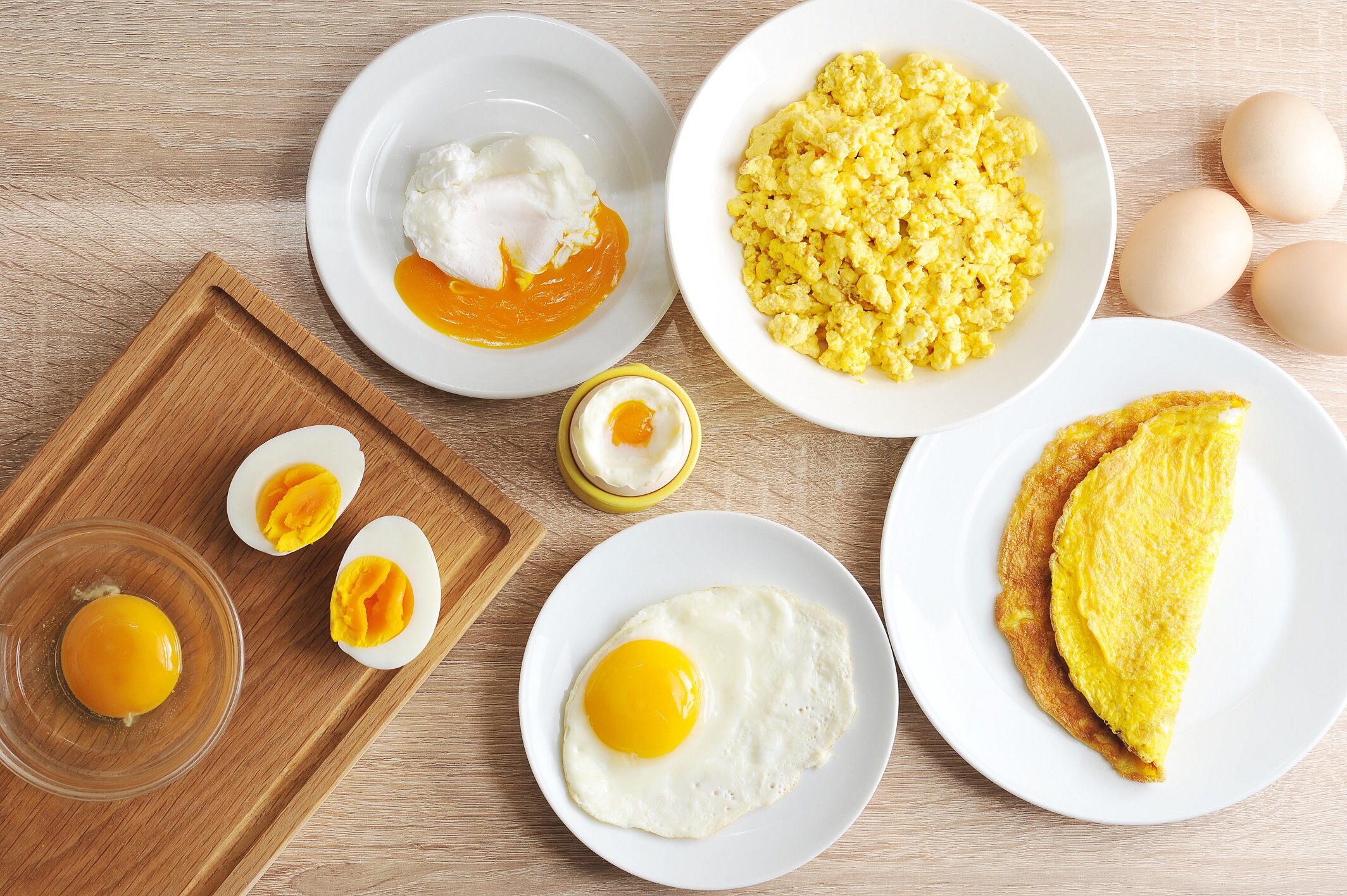
What is your favorite way to eat/prepare eggs?
Vote for your favorite way to prepare eggs!
- 45 replies
Featured by Bob


I started the Carnivore (with Dairy) 3 weeks ago to the day and my energy levels are just tanked I usually get tired by about 7pm and fall asleep around 8-10 and on weekends I do the same but won't wake until about 10 the next morning- and even still I feel exhausted all day and want to take a nap. I still get pretty bad headaches & lightheadedness. I know you're supposed to get lots of fat and lots of electrolytes- I think I am?
My typical day: Breakfast: 1 tbs of butter, a pinch of sea salt, a little milk w/ coffee 2 eggs with a little shredded cheese and cream cheese and 2 slices of bacon (I think I’ll start adding 2tbs to my coffee)
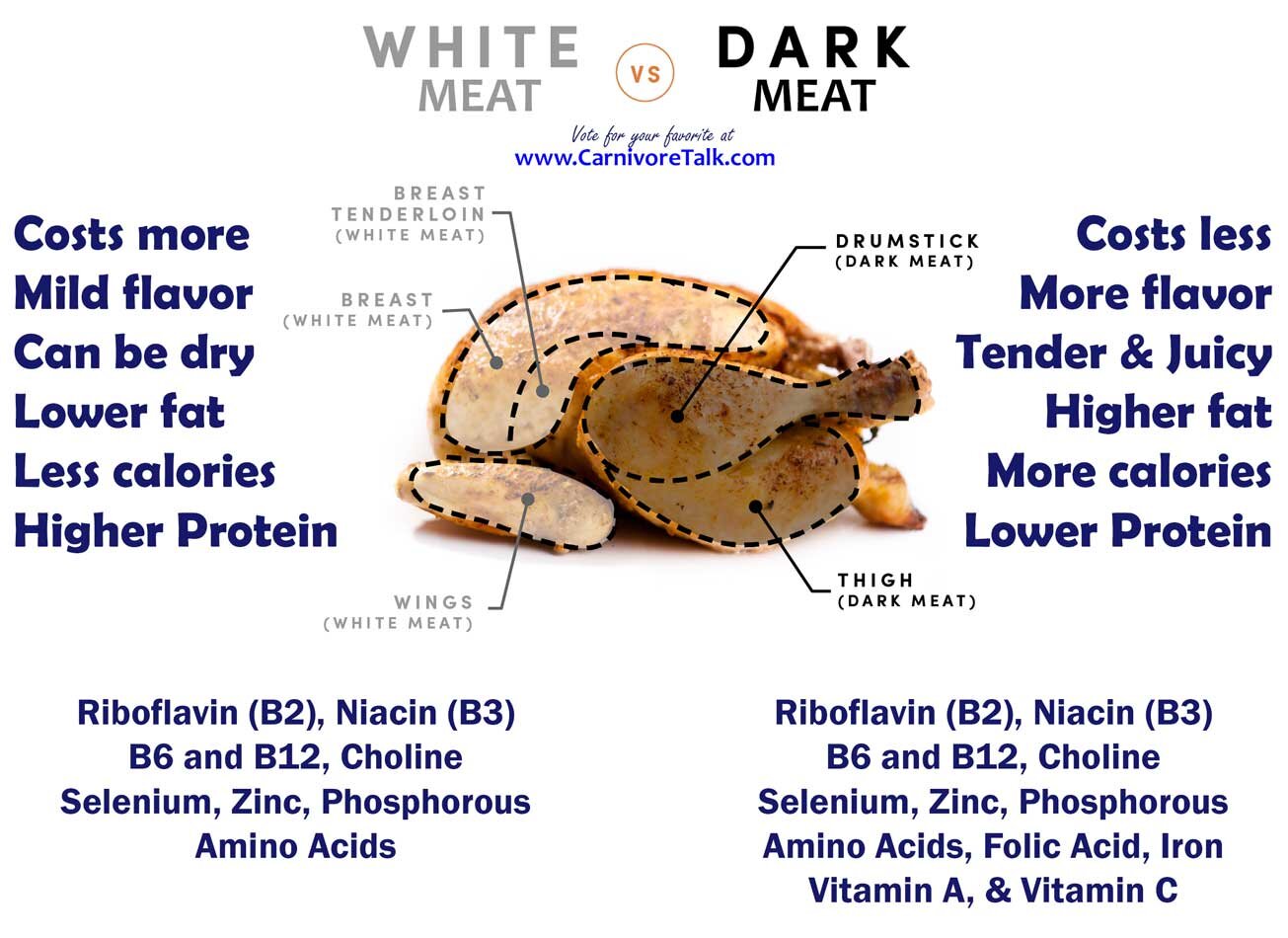
Lunch: 2 chicken thighs with homemade buffalo sauce and extra butter
Afternoon Snack: Pork rinds and maybe 1/4 of cottage cheese
Dinner: 8-10 oz pork shoulder with 1 tos cream cheese
Before bed: 3 tbs milk, hot water & magnesium
I also drink an electrolyte mix (ultimate replenisher) everyday.
Another TMI note is that I have only just started having this shits over the last few days. I have been majorly consitpated the last 2 weeks incorporating magnesium and even laxatives into my diet. I did lose 10 lost the first week and then plateaued and haven't lost any since.
Any tips would be greatly appreciated. Really looking forward to an energy burst and actually feeling good!