America’s Most Popular Cooking Oil Linked to Obesity in New StudyDec 01, 2025 at 10:18 AM EST By Jasmine Laws, US News Reporter A new study has found that soybean oil contributed to obesity in mice, prompting concern that the United States' most popular cooking oil could be playing a role in the country's obesity problem. The University of California, Riverside study, published in the Journal of Lipid Research in October, investigated how mice metabolized linoleic acid, an omega-6 fatty acid widely present in soybean oil, by feeding them a high-fat diet based on the common cooking oil. While the study was conducted on mice, Frances Sladek, a UCR professor of cell biology and author of the study, told Newsweek that the findings "were translatable to humans as the pathways we found involved in soybean oil-induced obesity are highly conserved between mouse and human." Why It MattersSoybean oil is by far the most widely used cooking oil in the country, with rapeseed oil second and palm oil third, according to data from Statista. Soybean oil is also made up of more than 50 percent linoleic acid, Sladek said. The finding raises notable concern, not only because of the oil's popularity, but also because of America's high obesity rates—one in five children and two in five adults are obese in the U.S., meaning they have a Body Mass Index (BMI) higher than 30. Obesity is known to be associated with higher risks of health problems, including diabetes, heart disease and strokes. The American diet has also been called into question by studies previously, as last year a study found that the majority of Americans ate a diet that promoted inflammation, increasing the risk of diseases such as heart disease, obesity, diabetes, depression and certain cancers. Stock image: A person pours soybean oil into a frying pan. | coffeekai/Getty Images What To KnowThe study specifically examined the effects of molecules called oxylipins on mice. These molecules are what linoleic acid is broken down into in the body, and so the higher the consumption of the acid, the higher the amount of these molecules will be in the body. While other fatty acids also break down into oxylipins, the oxylipins derived from linoleic acid were the ones the authors found contributed to obesity in mice. The finding is not new; the researchers noted this result in a previous study. What they did differently in this study was test the impact of a diet high in soybean oil in a group of male mice genetically engineered to express a different version of a liver regulatory gene, P2-HNF4α. This meant they had different metabolic pathways from the control group, as the genetic change reduced the activity of enzymes that convert linoleic acid into oxylipins. The researchers found that the modified mice had healthier livers and gained less weight than the control group on the same diet, further supporting the idea that oxylipins contribute to obesity. “This may be the first step toward understanding why some people gain weight more easily than others on a diet high in soybean oil,” said Sonia Deol, a UCR biomedical scientist and another author of the study. Although the researchers also note that the genetically modified mice had elevated oxylipins on a low-fat diet without becoming obese, suggesting that other metabolic factors are at play. Sladek said that they found that "it is the levels of the oxylipins present in the liver, not circulating in the blood, that correlate with obesity." However, he said that they aren't yet certain about "exactly how the oxylipins drive obesity." How Much Soybean Oil Do Americans Actually Consume?Consuming a small amount of linoleic acid is actually required for human health and is part of a healthy diet; however, the researchers noted that America has had a "remarkable increase" in its consumption of the oil over the past 50 years. The required amount of linoleic acid for health is around 1 to 2 percent of a person's calorific intake, the study authors noted, as small amounts play an important role in maintaining good health. Most Americans broadly have a much higher intake of linoleic acid at around 15 to 25 percent of their calorific intake, the study authors said. Sladek said that consuming small amounts of soybean oil is "perfectly safe and provides a good source of the essential fatty acid linoleic acid." He said that the problem is that "processed foods are becoming an ever larger part of our diet and many of those foods have soybean oil in them, or they have corn oil, safflower seed oil, sunflower seed oil — all these seed oils are made up of large amounts of linoleic acid, just like soybean oil." "So in general, we are taking in much more of these seed oils, all of which have high levels of linoleic acid, than our body needs," he added. What Does Soybean Oil Do to Your Body?It is not clear from the study how these findings would translate to the human body, and further research is needed to determine the impact of soybean oil on human health. However, the study authors note that the findings suggest the possible link warrants further investigation. Sladek said: "It took 100 years from the first observed link between chewing tobacco and cancer to get warning labels on cigarettes. We hope it won’t take that long for society to recognize the link between excessive soybean oil consumption and negative health effects." He also told Newsweek that in previous research, the team found that the soybean oil could impact the intestines, the microbiome and the hypothalamus. He said that while there is a growing body of evidence indicating that dietary linoleic acid is beneficial for the heart, "we have not looked at the impact of a soybean oil diet on the heart." "Different organs will respond differently to dietary linoleic acid and more research in general needs to be done," Sladek added. Other experts are not convinced of the findings, though. Dr. Dariush Mozaffarian, the director of the Food is Medicine Institute at Tufts University, told Newsweek: "Much of the original research suggesting harms of omega-6 [polyunsaturated fatty acids], like this study, was done in mice or rats." "We’ve since clearly learned that humans are not mice, and that these effects don’t translate to what’s seen in humans," Mozaffarian said. "In mice, for example, high fat diets (from any source) cause obesity, whereas in humans, carbs are the problem." He said that in controlled trials in humans, soybean oil and omega-6 polyunsaturated fatty acids were found to "improve blood cholesterol levels, improve glucose control, and lower risk of heart attacks," while in "observational studies," these oils are "linked to less weight gain and obesity risk." Mozaffarian said that soybean oil is a "healthy oil for cooking," and pointed to studies finding that a tablespoon and a half daily of soybean oil could reduce the risk of coronary heart disease, that the oil does not have pro-inflammatory effects, and that those who consumed 5 grams a day had a lower risk of "all-cause mortality." ARTICLE SOURCE: https://www.newsweek.com/soybean-oil-linked-to-obesity-study-11133940
comment_10402Here's the question.... Who of you Carnivores would consider purchasing beef off a ranch, rather than out of a grocery store?
???
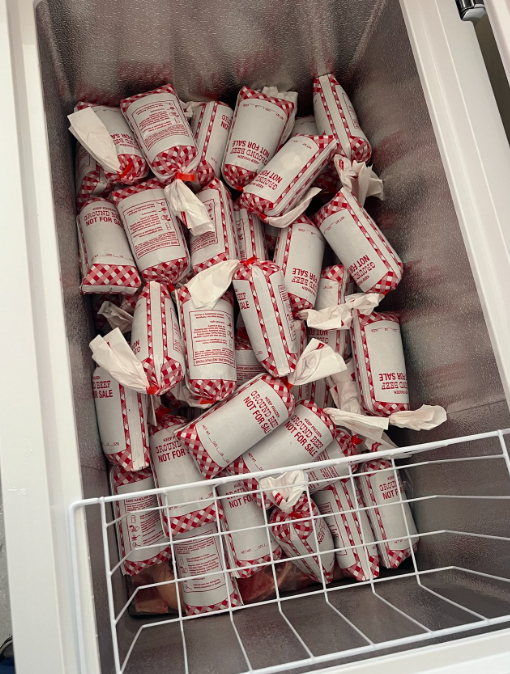
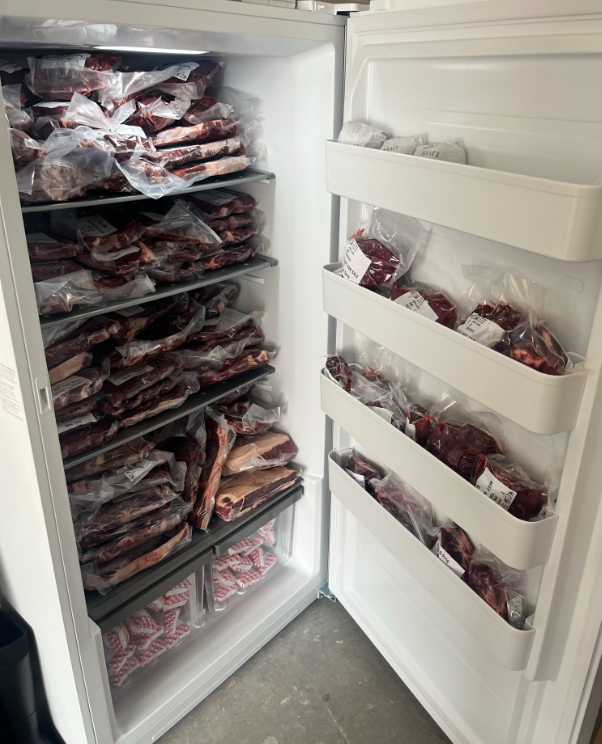
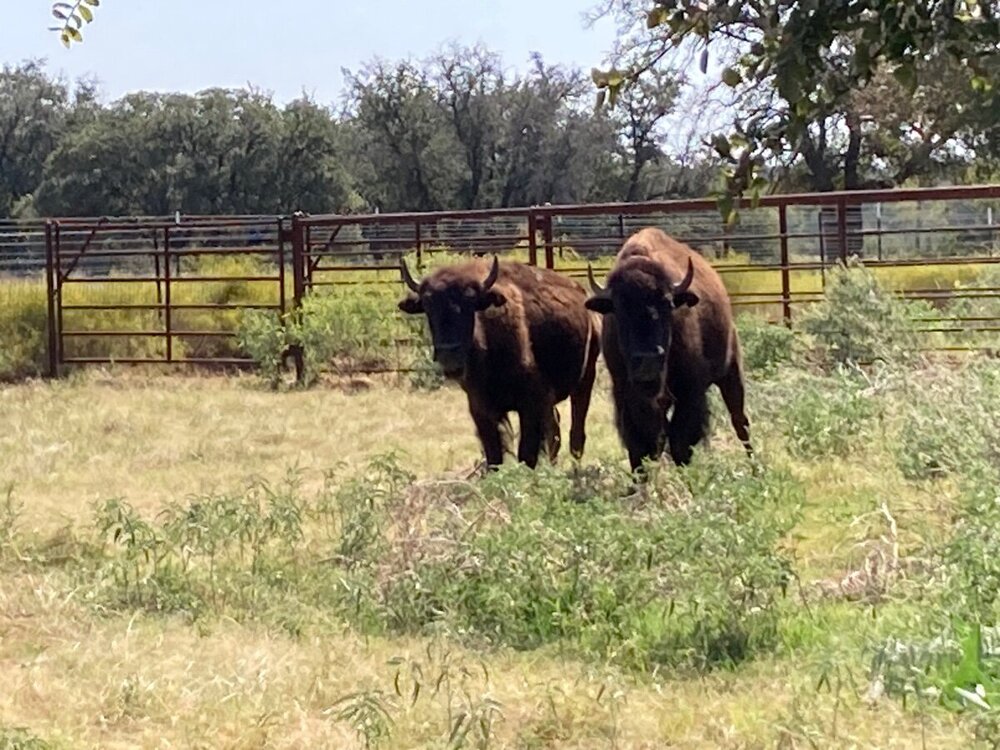
Last year the wife and I purchased 1/2 a beef from a local rancher. It was processed nicely and it has taken us a year to eat it all up. This year, due to us going Ketovore and eating so much more Beef, we opted to purchase a whole calf. The Angus calf just went to the processor, is 16 months old and weighs 1,100 live weight. It was completely milk/grass raised until the last 30 days, when it was given a diet of Meadow Hay and Cracked Corn, which will boost the fat content.
After processing and paying for the calf, it will cost me $5.45 a lb for everything. Yep, that is a lot of money up front, but everyone on this forum knows the cost of Beef at the store these days.
Sam's Club Pricing this week.........
Tenderloin is $20 a lb
Ribeye is $15 lb
Sirloin is $10 a lb
Hamburger is $4.79 a lb for Organic, non-Antibiotic.
Oh... my Ranch raised steer is Organic, non-Antibiotic.... So check those prices at Whole Foods!!!!!!
Also, when you buy a beef and have a local processor kill and package your meat, you get to choose the cuts you want. And you get to choose the fat percentage of your hamburger. We opted for 85/15 for our hamburger.
Like I said, we have to pay north of $3,500 for a full beef, but there is two of us and that only amounts to about $150 a month per person for a year.
And here is the BIG DEAL... We know how that calf was raised and fed and processed.
PS... the other cool thing is... you can request all of the big bones and you can make your own Bone Broth.