Welcome to our Carnivore / Ketovore / Keto Online Community!
Welcome to Carnivore Talk! An online community of people who have discovered the benefits of an carnviore-centric ketogenic diet with the goal of losing weight, optimizing their health, and supporting and encouraging one another. We warmly welcome you! [Read More]
Fructose puts the body in low-power mode, fueling obesity
- Replies 4
- Views 1.3k
- Created
- Last Reply


Popular Days
Most Popular Posts
-
The article acknowledges that there are 2 camps. Camp #1 believes fat makes you fat. Camp #2 believes carbs and high insulin levels make you fat. Dr. Johnson thinks it's both.... We would agree
-
I think it's the combination of fat with sugar, that causes problems on a metabolic level. So fat can play a role, in combination of a high sugar diet. It makes sense.
-
Ok Bob. I was just wondering because I had to reread it a few times trying to get the meaning of what they were saying but my own understanding of diet and metabolism was prejudicing my reasoning.
Posted Images
Featured Replies
Similar Content
-
- 0 replies
- 174 views
-
- 5 replies
- 1,360 views
-
- 6 replies
- 2,888 views
Featured Content
-
"World Carnivore Month" January Challenge!
Today is the first day of January and is also the first day of World Carnivore Month. To that end, let's challenge ourselves to eat a carnivore diet for the entire month of January. The type of carnivore diet and the level of strictness you choose to do is entirely up to you. Examples of carnivore diets include the following... 1) The Lion Diet. A person eating the Lion Diet only consumes the flesh of ruminant animals, water, and salt. 2) The BBBE Diet. BBBE is an acronym for Beef, Butter, Bacon, and Eggs. 3) The Carnivore Diet. This allows for the consumption of any and all animals and animal by-products, including dairy. In any of the above examples, the object of course is to not consume any plants as part of your diet. Of course, we're not going to micromanage hoe you prepare your food, so your use of seasonings is entirely your own personal choice. IF your circumstances don't allow you to go full on carnivore in January, then you can participate in this topic by challenge yourself to do better, above and beyond what you have been doing. For example, if you have still been eating grains, seed oils, refined sugar, or drinking alcohol, challenge yourself to avoid these items and just eat a clean, single ingredient whole foods diet such as clean keto, ketovore, or animal based. We encourage you to check in daily, and share what you have eaten, perhaps a weigh-in if you're willing, and enjoy in some small talk. Participants in this topic will be entered into a drawing for a prize at the end of the month.-
- 193 replies
 Featured by Guest
 -
-
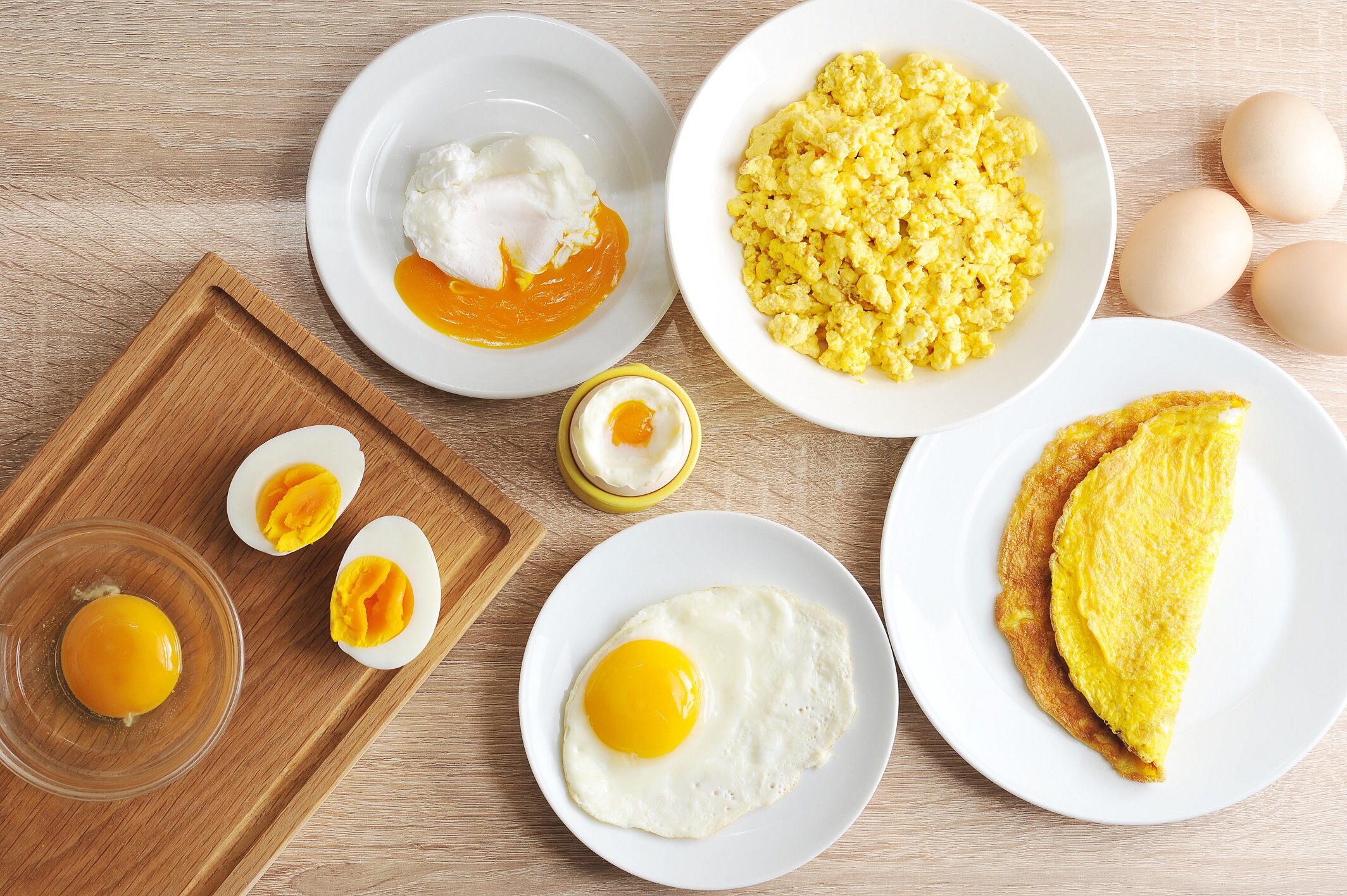
What is your favorite way to eat/prepare eggs?
Vote for your favorite way to prepare eggs!
- 45 replies
Featured by Bob



Fructose puts the body in low-power mode, fueling obesity
Story by Chrissy Sexton
While Western diets are undoubtedly linked with an increased risk of obesity, health experts have long debated over what exactly is driving the surge in weight issues. Is it the excessive calories, carbohydrates, or fat in these foods?
A new study led by Dr. Richard Johnson of CU Anschutz offers a unique perspective that converges these varying theories around one central figure: fructose.
The role of fructose
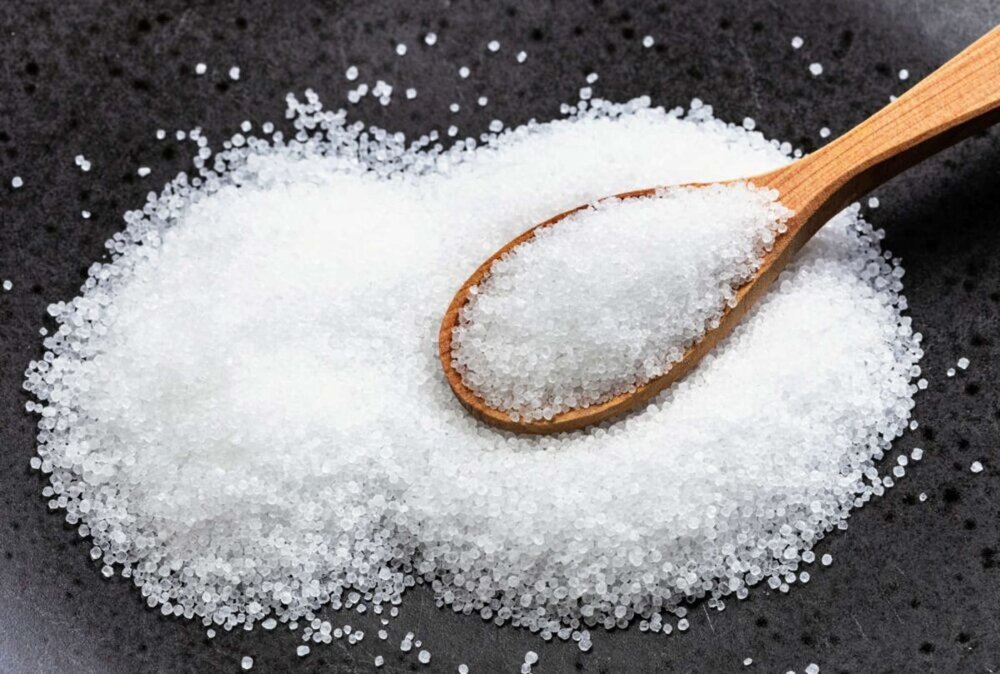
The paper brings forward a compelling argument that resonates with multiple theories. According to the researchers, the key issue driving obesity is fructose. This sugar is found in table sugar and high fructose corn syrup, and is also produced within our body from carbohydrates like glucose.
The science behind the study is simple. As the body breaks down fructose, it depletes the active energy, referred to as ATP (adenosine triphosphate). This reduced energy level triggers hunger and increased food consumption.
The fructose survival hypothesis
The "fructose survival hypothesis" introduced by Dr. Johnson integrates the energy balance theory, which implies that excessive food intake, especially fat, is the root cause of obesity. At the same time, the new hypothesis acknowledges the carbohydrate-insulin model that prioritizes carbs as the main trigger for weight gain.
"Essentially, these theories, which put a litany of metabolic and dietary drivers at the center of the obesity epidemic, are all pieces of a puzzle unified by one last piece: fructose," said Dr. Johnson. "Fructose is what triggers our metabolism to go into low power mode and lose our control of appetite, but fatty foods become the major source of calories that drive weight gain."
Hibernating animals
Dr. Johnson said we can look to hibernating animals as an example: when we're hungry and low on active energy, we go into survival mode. Just as bears consume high-fructose fruits to prepare for winter hibernation, humans' energy levels dip when consuming fructose-rich foods.
Even though fat is a reservoir of stored energy, high-fructose foods prevent the utilization of this stored energy, leading to a state that is comparable to a bear gearing up for winter.
Reimagining obesity
The most radical insight this theory presents is the conceptualization of obesity. "This theory views obesity as a low-energy state," said Dr. Johnson. "Identifying fructose as the conduit that redirects active energy replacement to fat storage shows that fructose is what drives energy imbalance, which unites theories."
While this research offers a new direction for addressing obesity, further research is needed to conclusively confirm the findings and to identify more targeted preventions.
The study is published in the journal Obesity
Like what you read? Subscribe to our newsletter for engaging articles, exclusive content, and the latest updates.
--
Check us out on EarthSnap, a free app brought to you by Eric Ralls and Earth.com.
ARTICLE SOURCE: https://www.msn.com/en-us/health/nutrition/fructose-puts-the-body-in-low-power-mode-fueling-obesity/ar-AA1ix6ay
Subscribe to Carnivore Talk on YouTube | Be our guest on the channel | Leave me a voicemail, yo!