Welcome to our Carnivore / Ketovore / Keto Online Community!
Welcome to Carnivore Talk! An online community of people who have discovered the benefits of an carnviore-centric ketogenic diet with the goal of losing weight, optimizing their health, and supporting and encouraging one another. We warmly welcome you! [Read More]
Cheap Eggs vs Organic Eggs vs Free-range Eggs - Is there really a difference?
- Replies 8
- Views 2.3k
- Created
- Last Reply




Popular Days
Most Popular Posts
-
We never worry which brand eggs are the "best" ... we have chickens and therefore have fresh eggs 🙂
-
I agree that the brown pasture raised eggs taste slightly better. It's hard for me to tell with the butter and salt and seasonings I use. The article mentioned they have a little more vitamin D, chole
-
Not to mention ... chickens love cockroaches!
Posted Images


Featured Replies
Similar Content
-
- 2 replies
- 385 views

Featured Content
-
"World Carnivore Month" January Challenge!
Today is the first day of January and is also the first day of World Carnivore Month. To that end, let's challenge ourselves to eat a carnivore diet for the entire month of January. The type of carnivore diet and the level of strictness you choose to do is entirely up to you. Examples of carnivore diets include the following... 1) The Lion Diet. A person eating the Lion Diet only consumes the flesh of ruminant animals, water, and salt. 2) The BBBE Diet. BBBE is an acronym for Beef, Butter, Bacon, and Eggs. 3) The Carnivore Diet. This allows for the consumption of any and all animals and animal by-products, including dairy. In any of the above examples, the object of course is to not consume any plants as part of your diet. Of course, we're not going to micromanage hoe you prepare your food, so your use of seasonings is entirely your own personal choice. IF your circumstances don't allow you to go full on carnivore in January, then you can participate in this topic by challenge yourself to do better, above and beyond what you have been doing. For example, if you have still been eating grains, seed oils, refined sugar, or drinking alcohol, challenge yourself to avoid these items and just eat a clean, single ingredient whole foods diet such as clean keto, ketovore, or animal based. We encourage you to check in daily, and share what you have eaten, perhaps a weigh-in if you're willing, and enjoy in some small talk. Participants in this topic will be entered into a drawing for a prize at the end of the month.-
- 193 replies
 Featured by Guest
 -
-
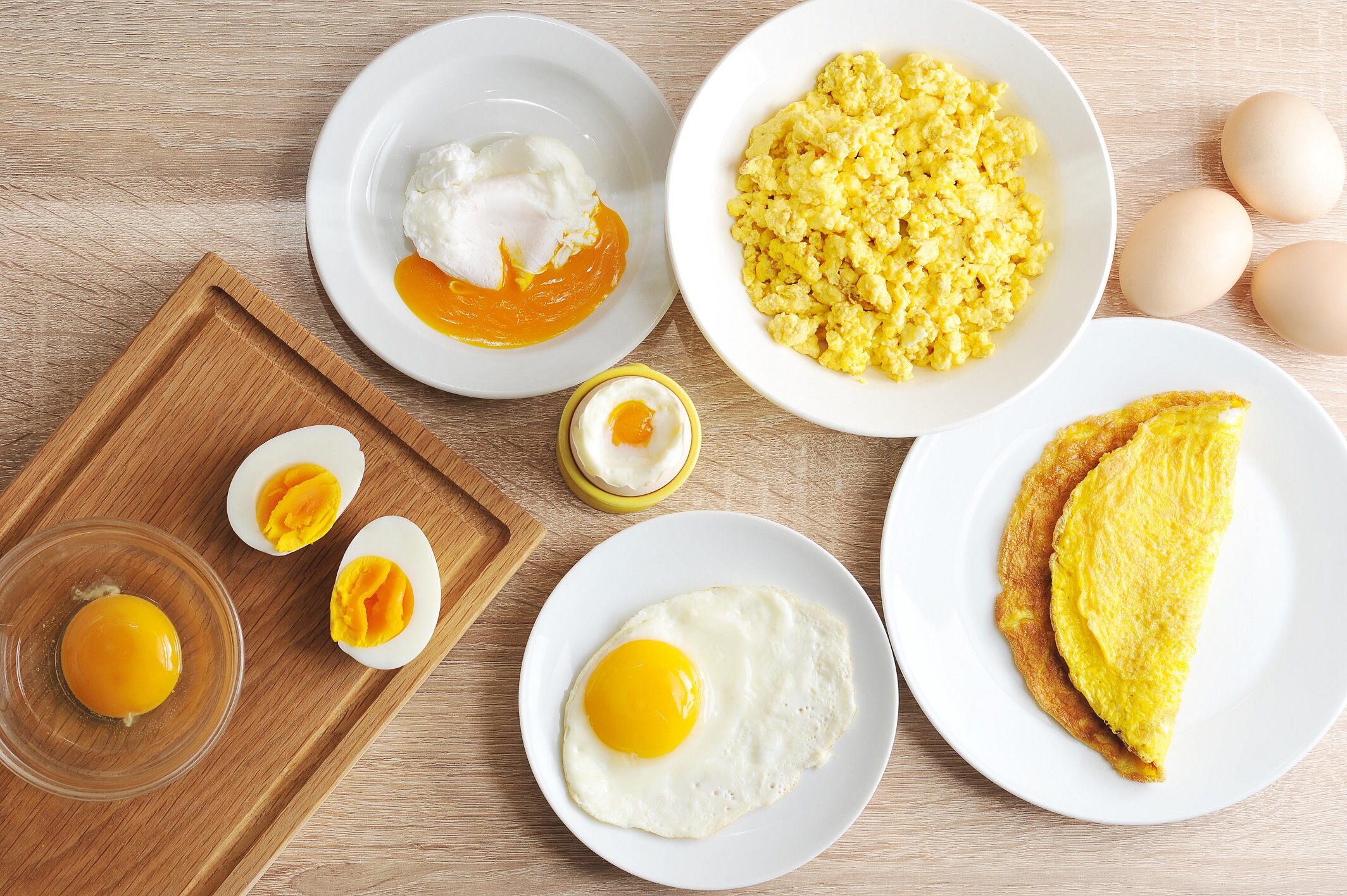
What is your favorite way to eat/prepare eggs?
Vote for your favorite way to prepare eggs!
- 45 replies
Featured by Bob


Are cheaper eggs just as nutritious as organic or free-run options? Marketplace tested 14 brands to find out
Lab test also looked at nutritional differences between small-farm and big-brand organic eggs
Organic eggs are illuminated by a light at the Listowel Egg Grading Station in a technique called 'candling,' which is used to find cracks in the shells. (Caitlin Taylor/CBC)
Some of the cheapest, widely available eggs tested by Marketplace may be just as nutritious as some of the most expensive.
These eggs can vary in price at the grocery store from about $2.75 per dozen to more than $7.49 per dozen, with many options in between.
Usually, the least expensive that Marketplace tested were conventional eggs, while the organic eggs were the most expensive.
And when it came to the organic eggs, not all of them tested equally. In Marketplace's test, organic eggs produced on small farms had more nutrients than the big-brand organic eggs sold at Canada's largest grocers under private labels and by two of the largest egg brands in the country.
Marketplace at random purchased two cartons each of several types of eggs from 14 brands from grocery stores across the Greater Toronto Area. In total, the team sent 29-dozen eggs to an accredited food science laboratory to test levels of cholesterol, protein and omega-3, as well as vitamins A, D and E.
Click here for more on our test methodology.
The results were analyzed by registered dietitians Aja Gyimah, who owns a private practice in Toronto, and Jennifer Lee, a PhD student at the L'Abbe Lab at the University of Toronto, and also by Doug Korver, a poultry nutritionist and professor at the University of Alberta.
Conventional vs. big-brand organic eggs
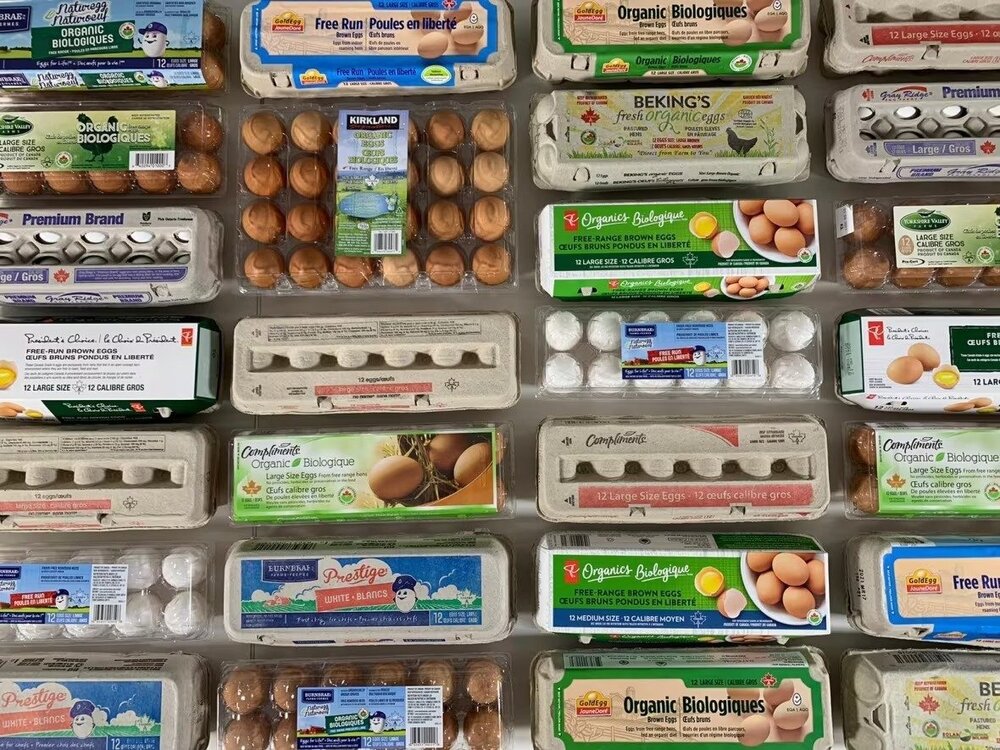
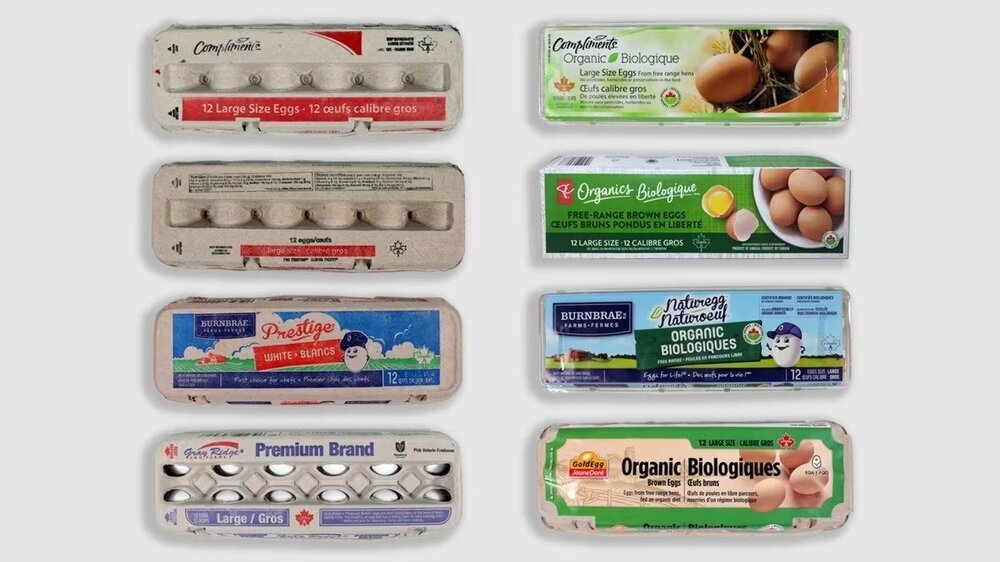
In the first comparison, the team focused on conventional and organic eggs sold by the biggest grocers in Canada — Loblaws and Sobeys — as well as some of the biggest egg brands on the market — Burnbrae and LH Gray, which sells Gray Ridge and GoldEgg.
For most of the nutrients tested, there were no large differences between the cheaper conventional eggs and the more expensive organic options.
But conventional eggs cost an average of $3.23 per dozen and are laid by hens in traditional cages. Hens in these environments produce about two-thirds of eggs in Canada every year.
The organic eggs cost more than twice as much at $6.98 on average per dozen and are laid by hens that live in a free-range environment with access to the outdoors.
All of the organic eggs in the Marketplace test have the certified organic logo on the carton, which means they've been certified as organic by a Canadian Food Inspection Agency-accredited company.
On average, there were also no large differences between the cheaper conventional eggs and the more expensive organic ones that are sold by the same brands."I think this might actually clear up a lot of confusion for our consumers," said Gyimah. "Now we know that conventional eggs are actually able to ... hold their own."
In fact, in some cases the conventional eggs had higher levels of some vitamins than their organic counterparts. This was the case for Burnbrae Naturegg organic eggs when compared to Burnbrae's cheaper Prestige eggs, and the Loblaw President's Choice Organics eggs compared to Loblaw No Name eggs. When it came to Sobeys Compliments eggs, there was more vitamin E in the conventional than in the organic, but LH Gray's Organic GoldEgg had more vitamin D than the cheaper Gray Ridge Premium eggs.
In all cases, the organic eggs did have higher omega-3 levels compared to their conventional counterparts. There was an average of 0.13 g of omega-3 per one large organic egg compared to about 0.05 g for conventional eggs.
Omega-3 is an essential fatty acid that the human body can't create on its own. The recommended daily intake levels of omega-3 are 1.1 g for women and 1.6 g for men.
Marketplace reached out to each company, as well as Egg Farmers of Canada (EFC), which represents egg farmers across the country.
When asked why, on average, there was minimal nutritional difference between these cheaper and more expensive eggs, EFC and Burnbrae both said the nutritional composition of an egg is based on the diet of the hen, which they say is similar for all of the housing types of the hens that laid the eggs Marketplace tested. Sobeys and Loblaws did not directly respond to this question and LH Gray did not respond to Marketplace emails.
Are all organics created equally?
When compared to the big-brand organic eggs Marketplace tested, eggs produced by hens on small organic farms had more nutrients.
In this instance, the team compared organic eggs sold under Burnbrae, GoldEgg, Sobeys, Loblaws and Costco to eggs produced on small farms sold by Yorkshire Valley Farms and Bekings Poultry Farm.
For both of these brands, the majority of the barns had flocks of 500 hens, with two exceptions where flock sizes were 4,000 and 6,000 laying hens.
In Canada, organic farms are permitted to have up to 10,000 laying hens per flock, but there can be more birds in one barn, as long as they are separated and have separate outdoor space.
The small-farm organic eggs had an average of 3.25 mg of vitamin E per one large egg, which is about 20 per cent of the daily recommended value. The big-brand organic eggs had an average of 2.16 mg of vitamin E. The level of vitamin D in the small-farm organic eggs was an average of 31.65 IU, which is about five per cent of the daily recommended value. In the big-brand organic eggs, this average was 20.50 IU.
The small-farm organic eggs also had about one gram more of protein per large egg than the eggs sold by the larger brands, and had slightly less cholesterol.
"The small flocks have a greater opportunity to access the outdoors and some of the diversity of foods they might find out there," said Gerald Poechman, an organic farmer with a flock of 6,000 birds near Hanover, Ont. During the winter months, he also feeds pea sprouts to his hens to supplement some of the nutrients they can't get from grazing in pastures during the summer.
According to poultry nutritionist Doug Korver at the University of Alberta, differences in egg nutrition are caused by a number of factors, like the age and breed of the hens, as well as their diet. For example, the higher levels of vitamin E mean those hens were likely fed a diet that contained more vitamin E. While chickens can produce vitamin D from direct sunlight, in winter months the extra vitamin D is most likely connected to the hen's diet, too.
While the laboratory test commissioned by Marketplace was limited in its scope to a random spot-check of 14 different brands, some larger academic studies have similar conclusions. For example, one study in the journal Renewable Agriculture and Food Systems published in 2017 found higher levels of vitamin E and omega-3 in eggs laid by hens whose traditional diet was supplemented by foraging grasses in a pasture.
Marketplace conducted a similar nutritional analysis of eggs in 2016 and also found that small-farm organic eggs had more nutrients.
These small-farm eggs were also the most expensive of all the eggs Marketplace tested, selling for about $8 per dozen.
Free-run versus small-farm organics
Marketplace also compared three brands of free-run eggs to small-farm organic eggs.
The brands of eggs tested were Burnbrae, GoldEgg and President's Choice.
Free-run means that hens are free to roam around in open-concept barns, but unlike free-range organic laying hens, free-run hens don't have access to the outdoors.
The Marketplace nutrition test found that free-run eggs and small-farm organic eggs were nutritionally similar, although the small-farm organic eggs had an average of about 34 per cent more vitamin D.
The free-run eggs in the Marketplace test cost about $6 per dozen as opposed to about $8 for the small-farm organic eggs.
What drives organic costs?
All of the organic eggs tested by Marketplace were certified by a CFIA-accredited company. Eggs that have the Canada Organic logo come from farms that are certified to sell organic eggs.
These farmers must go through an organic recertification process every year. These visits are in addition to audits conducted through the Egg Farmers of Canada's Animal Care Program, which also inspects all egg farms in the country annually.
In order to sell organic eggs in Canada, farmers must keep their hens in a free-range environment, which means the hens can roam around in open-concept barns and they have access to the outdoors when the weather is appropriate.
Farmers that produce certified organic eggs must also feed the hens only certified organic feed that doesn't contain pesticides or genetically modified organisms (GMOs).
Beth Simpson, an organic egg farmer near Holstein, Ont., and her husband, Lloyd, are part of an organic farmers co-op that supplies eggs sold by Yorkshire Valley Farms. They own a flock of 500 hens.
According to Simpson, there are additional costs that go into small-farm operations like hers that contribute to the jump in price, like specialized feed, hand-picking the eggs every morning, and watching over the hens while they graze outside in the summer.
"I think the key thing is that our chickens go outside," she said "and they're outside from ten o'clock 'til dark. We can't go to bed because we can't get the chickens to go in, they love it out there."
She also says that her hens could be spending more time outdoors in the summer months than the hens in larger-scale operations.
The Organic Council of Ontario said that there are reasons why consumers may choose to spend more on organic eggs.
"The organic community believes that our food choices affect far more than our personal health," said communications manager Stuart Oke via email.
"The welfare of farm workers, farm animals and the land, air, and water all link back to the well-being of ourselves and our communities."
Which egg is best for you?
While there may be differences between the eggs Marketplace tested, Gyimah says all eggs are a good source of protein, and that people should choose whichever eggs they can afford.
"Whether you're a baby or whether you're over 90 years old, you all need protein. So using eggs to provide that protein is going to be a very efficient way to help you maintain or even build muscle mass," she said.
For her, buying conventional eggs is still a viable option.
"Simply because you're still getting a decent amount of nutrients in it."
ARTICLE SOURCE: https://www.cbc.ca/news/marketplace/marketplace-egg-test-1.5971608
Subscribe to Carnivore Talk on YouTube | Be our guest on the channel | Leave me a voicemail, yo!