Welcome to our Carnivore / Ketovore / Keto Online Community!
Welcome to Carnivore Talk! An online community of people who have discovered the benefits of an carnviore-centric ketogenic diet with the goal of losing weight, optimizing their health, and supporting and encouraging one another. We warmly welcome you! [Read More]
Basic Chicken Soup
- Replies 2
- Views 1.9k
- Created
- Last Reply
Top Posters In This Topic
-
Miranda 1 post
-
Another Meat Head 1 post


Popular Days
Featured Replies
Similar Content
-
- 6 replies
- 1,448 views



Featured Content
-
"World Carnivore Month" January Challenge!
Today is the first day of January and is also the first day of World Carnivore Month. To that end, let's challenge ourselves to eat a carnivore diet for the entire month of January. The type of carnivore diet and the level of strictness you choose to do is entirely up to you. Examples of carnivore diets include the following... 1) The Lion Diet. A person eating the Lion Diet only consumes the flesh of ruminant animals, water, and salt. 2) The BBBE Diet. BBBE is an acronym for Beef, Butter, Bacon, and Eggs. 3) The Carnivore Diet. This allows for the consumption of any and all animals and animal by-products, including dairy. In any of the above examples, the object of course is to not consume any plants as part of your diet. Of course, we're not going to micromanage hoe you prepare your food, so your use of seasonings is entirely your own personal choice. IF your circumstances don't allow you to go full on carnivore in January, then you can participate in this topic by challenge yourself to do better, above and beyond what you have been doing. For example, if you have still been eating grains, seed oils, refined sugar, or drinking alcohol, challenge yourself to avoid these items and just eat a clean, single ingredient whole foods diet such as clean keto, ketovore, or animal based. We encourage you to check in daily, and share what you have eaten, perhaps a weigh-in if you're willing, and enjoy in some small talk. Participants in this topic will be entered into a drawing for a prize at the end of the month.-
- 193 replies
 Featured by Guest
 -
-
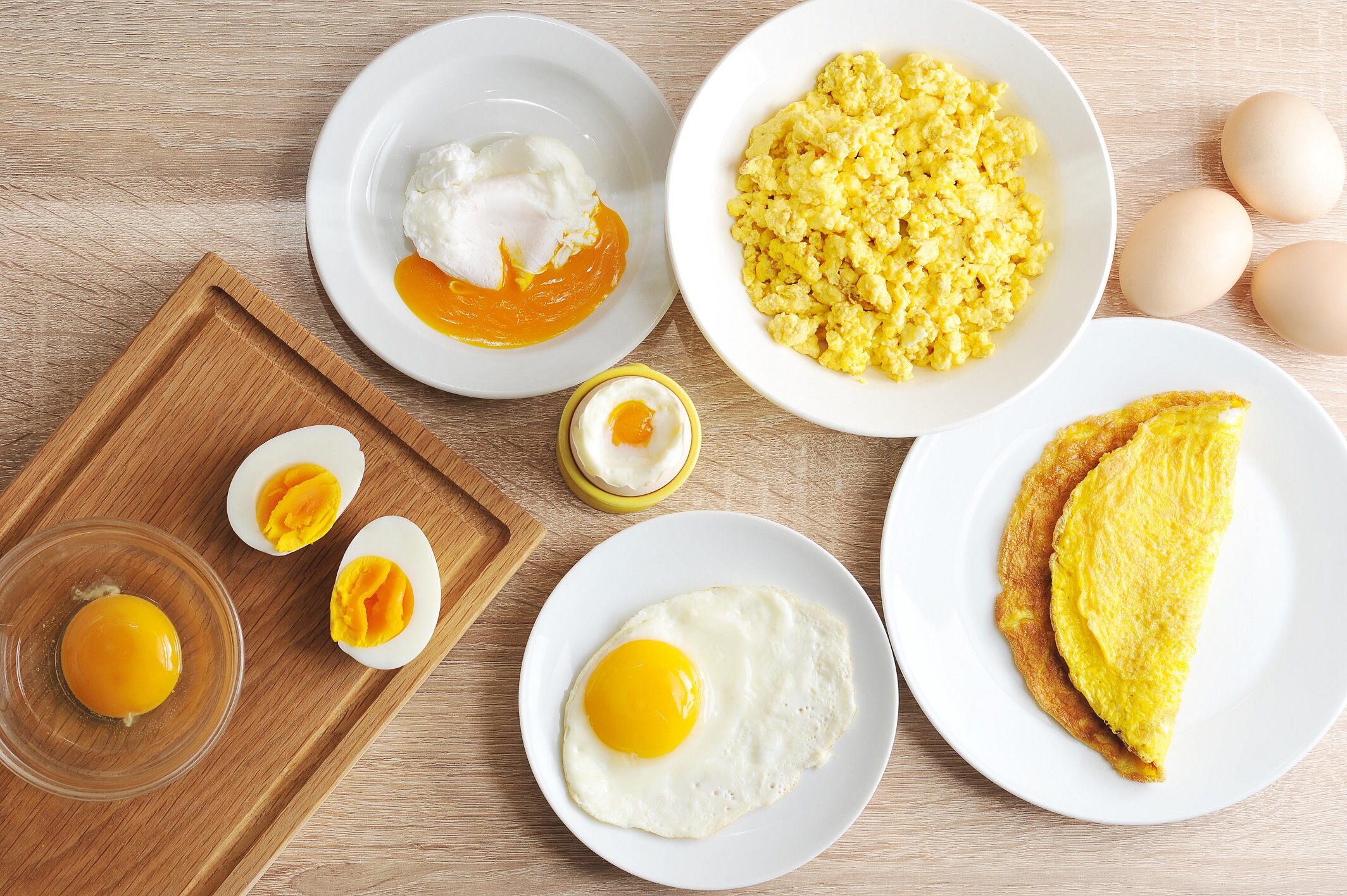
What is your favorite way to eat/prepare eggs?
Vote for your favorite way to prepare eggs!
- 45 replies
Featured by Bob


Hey Folks!
Basic Chicken Soup:
1 Serving will be about 3.5 cups
INGREDIENTS:
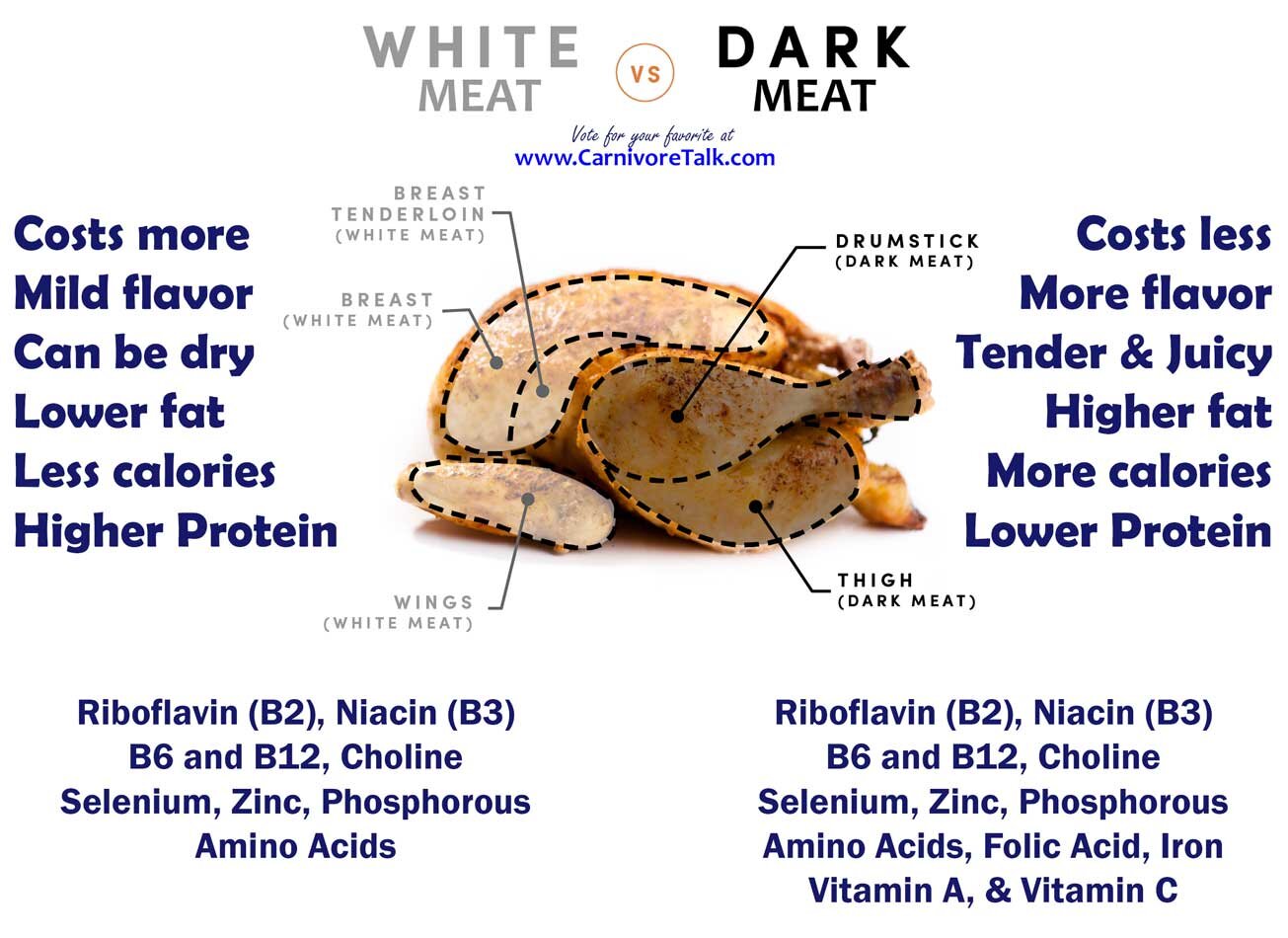
1.5 Cups finely chopped pre-cooked chicken per serving
2 Cups water per serving
A dab of Ghee (enough to stir-fry a portion of the chicken in a pan or soup pot)
______________________________________________________________________
What is a pot but a frying pan with walls to keep the splatter from messing up the stove? I rarely use pans. Plus pots always have matching lids. You can fry in a separate pan then combine everything in a pot. I prefer to do it all in a pot. If you do fry in a separate pan be sure to deglaze the pan and add that solution to the combined mixture.
______________________________________________________________________
I can easily consume 2 servings of this. It is surprisingly flavorful. It is also something very different than frying, grilling or baking meat which I sometimes get tired of, mostly because preparations of meat tend to seem greasy and fatty when meat dominates your diet and there is significantly less variety in meals, not using any vegetable or carb products.
______________________________________________________________________
DIRECTIONS:
1. Cook the chicken in advance. I use a rotisserie chicken from Costco. You can work from raw chicken of any source of course. I recommend baked but however it is cooked don't crisp it from flame of fry pan. The bulk of your chicken should be cooked from indirect heat like hot air or steamed. You can fry it but do most of the cooking by covering the pan with a lid and steaming it under low heat. Avoid overcooking it.
2. Using Ghee, lightly brown 1/2 cup per serving of chopped pre-cooked chicken.
2. Add 2 cups water per serving.
3. Heat this to serving temperature.
4. Chop up pre-cooked chicken to form 1 cup.
5. If it is cold, heat the cup per person of chopped chicken in microwave for 1-1.5 minutes. You want it heated but not so much to cook it.
6. Add this heated chopped chicken to the existing browned chicken and water mixture.
It is ready to serve.
You could add salt to taste. I do not think it needs added salt. I find that the browning a portion of the chicken in Ghee provides plenty of salted flavor.
______________________________________________________________________
* THE TIP: Only use a small portion of the chicken to flavor the water. What you need to avoid is overcooking all the chicken. Somehow meat cooked too much in liquid is dry and tough even though it has cooked in liquid. The microwaved chicken will be warm and tender. Only the portion of the chicken which was browned will be cooked more. This way you end up with mostly tender moist meat with accents of browned meat adding interesting texture and flavor. What you will avoid is that dry tough meat consistency which comes from overcooking meat in liquid.