Welcome to our Carnivore / Ketovore / Keto Online Community!
Welcome to Carnivore Talk! An online community of people who have discovered the benefits of an carnviore-centric ketogenic diet with the goal of losing weight, optimizing their health, and supporting and encouraging one another. We warmly welcome you! [Read More]
Mother on carnivore diet says her children are ‘flourishing’ eating only meat and eggs
- Replies 6
- Views 1.9k
- Created
- Last Reply




Popular Days
Most Popular Posts
-
That is what I am thinking as well. I think 'thriving' would be an understatement starting with a younger and much healthier person. The more it works for me the more I wish I had started e
-
Great read. I have always wondered about carnivore and kids. Most of us do many years of damage prior to the diet and have all sort of healing to be done. How well would kids do with their
-
Wow .... great story. I have wondered how children would do on this diet. I know kids don't have to have the veggies, but I think parents have to be very careful to make sure kids are eating a t
Posted Images


Featured Replies
Similar Content
-
- 2 replies
- 159 views
-
- 3 replies
- 174 views

Featured Content
-
"World Carnivore Month" January Challenge!
Today is the first day of January and is also the first day of World Carnivore Month. To that end, let's challenge ourselves to eat a carnivore diet for the entire month of January. The type of carnivore diet and the level of strictness you choose to do is entirely up to you. Examples of carnivore diets include the following... 1) The Lion Diet. A person eating the Lion Diet only consumes the flesh of ruminant animals, water, and salt. 2) The BBBE Diet. BBBE is an acronym for Beef, Butter, Bacon, and Eggs. 3) The Carnivore Diet. This allows for the consumption of any and all animals and animal by-products, including dairy. In any of the above examples, the object of course is to not consume any plants as part of your diet. Of course, we're not going to micromanage hoe you prepare your food, so your use of seasonings is entirely your own personal choice. IF your circumstances don't allow you to go full on carnivore in January, then you can participate in this topic by challenge yourself to do better, above and beyond what you have been doing. For example, if you have still been eating grains, seed oils, refined sugar, or drinking alcohol, challenge yourself to avoid these items and just eat a clean, single ingredient whole foods diet such as clean keto, ketovore, or animal based. We encourage you to check in daily, and share what you have eaten, perhaps a weigh-in if you're willing, and enjoy in some small talk. Participants in this topic will be entered into a drawing for a prize at the end of the month.-
- 193 replies
 Featured by Guest
 -
-
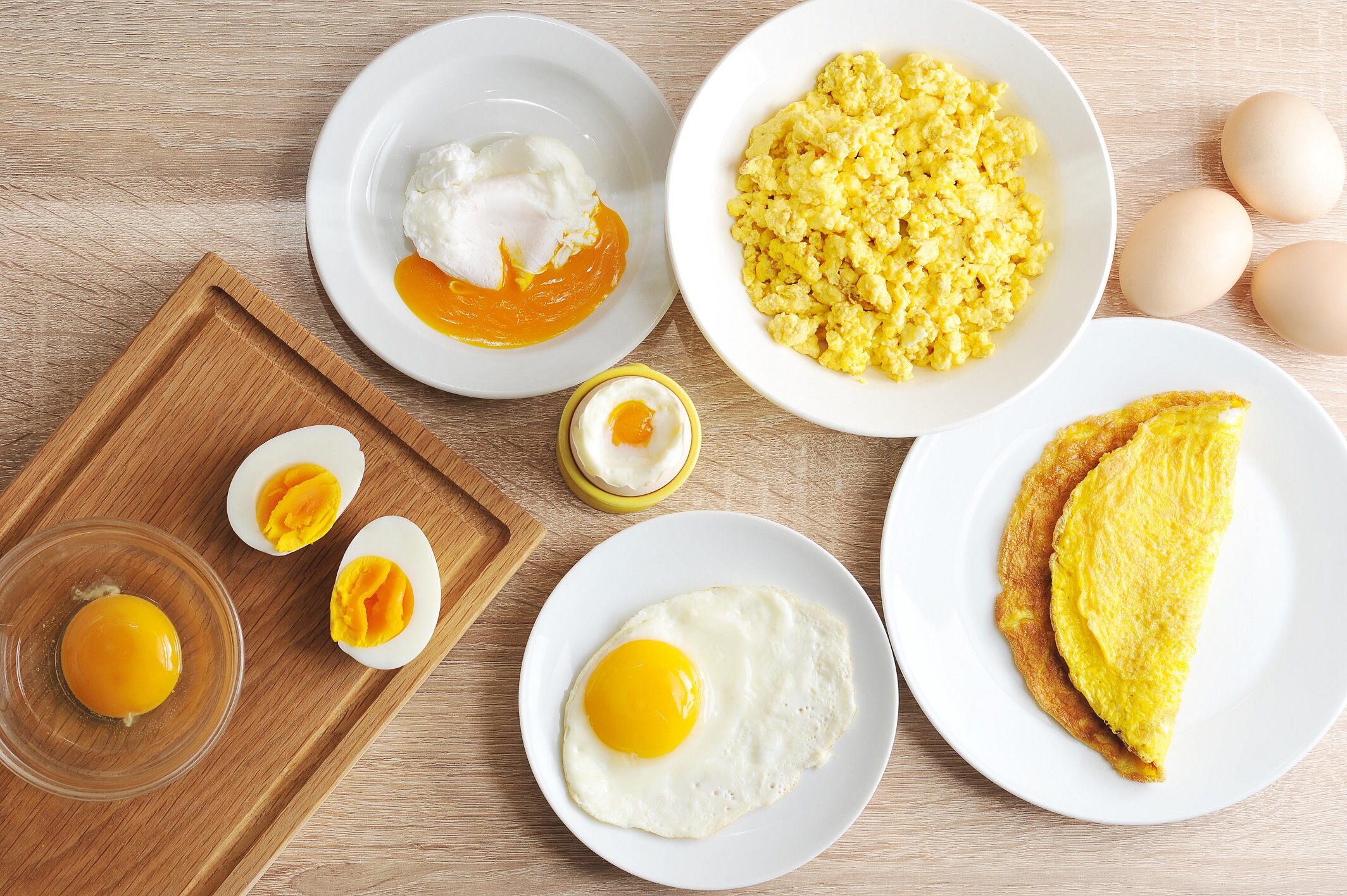
What is your favorite way to eat/prepare eggs?
Vote for your favorite way to prepare eggs!
- 45 replies
Featured by Bob



Mother on carnivore diet says her children are ‘flourishing’ eating only meat and eggs
Story by Molly Powell
A mother who only eats a diet of meat, fish, eggs and full-fat dairy has encouraged her husband and two children to follow suit.
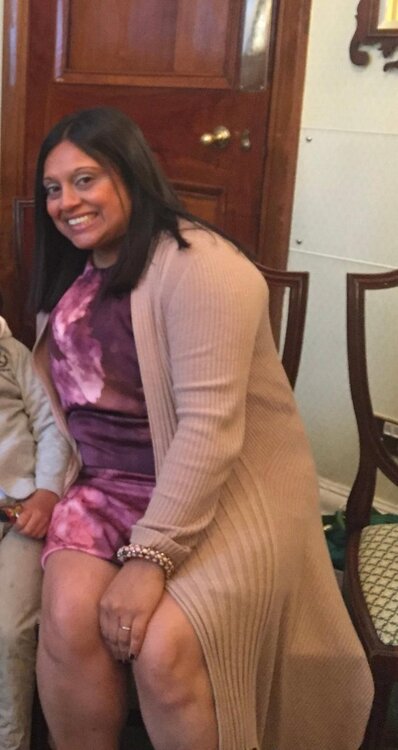
In a bid to loose weight, Olivia Khwaja, 50, a freelance strategic consultant from Ascot, initially followed the keto diet - which is high-fat, low-carb. She dropped from 95kg (14st 3lbs) to 75kg (11st 11lbs) from 2020 to 2022. That year, she discovered the carnivore diet, which required her to cut out plant-based foods entirely. This means she solely eats animal products such as steak, eggs and chicken liver pate. She has since lost an additional 20kg, dropping to 55kg (8st 9lbs).
NHS advice says consuming too much meat can increase the likelihood of people getting bowel cancer and recommends a balanced diet including fruits and vegetables – but Khwaja said her new diet has given her smoother skin and a clearer mind on top of the benefits to her waistline.
Olivia Khwaja (PA)
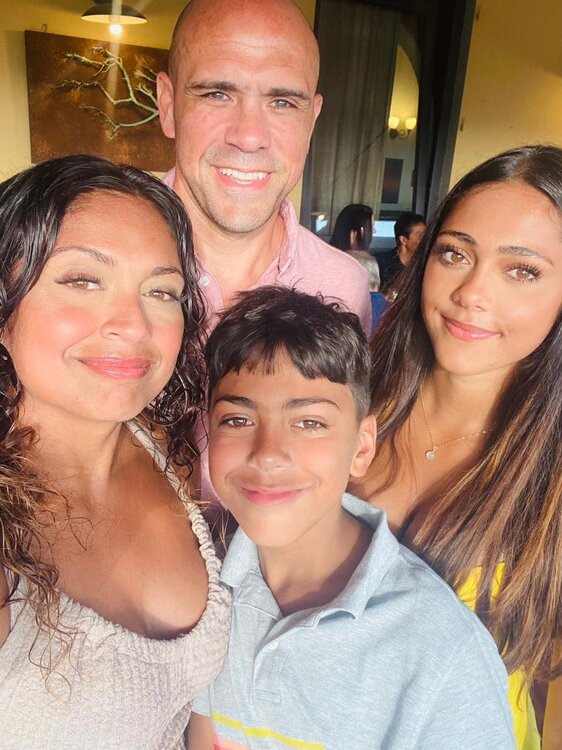
Such was her success that she has now inspired her husband Greg, 50, and their children, Eden, 16, and Bailey, 13, to follow suit, with Greg losing 39kg and their children “flourishing”. Khwaja has shared her journey with 10,000 Instagram followers, under the handle @oliviakhwaja, focusing on advice to cut out processed foods and said she has “not heard much” criticism on social media or from her children’s school.
Khwaja told PA Real Life: “After being on the carnivore diet for a few weeks, I woke up and I just felt this feeling of euphoria, like I’ve never felt so happy and so excited about life. And just looking at the sky, I was like, ‘It’s just so blue and so beautiful’. It’s like I was living under a cloud without realising and it just lifted. I’ve never pushed either of my children into this. They’re on their own journey, but I think they’re both happier avoiding addictive foods and love the freedom that comes with it.”
Olivia has inspired her husband Greg and two children Eden, 16, and Bailey, 13, to also follow the diet (PA)
Khwaja wanted to make lifestyle changes to improve her health after losing her parents in 2014 and 2015. “My mum had type 2 diabetes … it made me think that I should improve my health so I don’t get the conditions when I’m older,” she said. “My dad had Alzheimer’s, which encouraged me too.” So, with the additional goal of losing weight, Khwaja followed the keto diet from 2020 to 2022, consuming high-fat and low-carb foods.
The British Heart Foundation does not recommend the diet for losing weight due to limited research into the keto diet for weight loss, but Olivia said she lost 20kg, with her BMI dropping from 38.3 to a 30.3, and felt more energised.
In 2022, she came across the carnivore diet on social media, where it was receiving “rave reviews” from followers. Initially, she was “against it” due to its exclusion of fruit and vegetables, but decided to “keep an open mind” and give it a try.
Olivia Khwaja
On a typical day, Khwaja now eats her first meal of locally-sourced eggs and sardines at around 4pm, but this can change depending on when she is hungry. A few hours later, she has a large ribeye steak cooked in beef tallow, often accompanied by homemade mayonnaise.
On weekends, she and her family also have homemade jerky, bacon, sausages and homemade chicken liver pate on its own, without bread. “I just buy eggs, proper butter, and meat whenever we want it and keep it in the fridge,” she said. “Whenever I get hungry, I go into the fridge and cook something. We eat everything simply … it’s a simple life.”
After just three weeks on the diet, Khwaja felt like a “new woman” and now weighs around 55kg, with a normal BMI of 22.2.
Khwaja said she can also cycle faster with a quicker recovery time, has a clearer mind, softer skin and no longer has skin tags. “I’ve never felt so good in my life – I can’t remember feeling this positive and healthy, and having so much energy, as a child or a teenager, it’s transformed my life,” she said.
Since following the carnivore diet, her husband and children have got on board, and Khwaja claims they have experienced similar benefits. She said her husband has gone from 122kg (19st 3lb) to 83kg (13st 1lb) and also feels more energised. She said: “I thought, we spend so much money buying vegetables and time cutting them, chopping them, steaming them, putting them on a plate, and then most of the time we put them back in the fridge, because my children don’t finish them and they don’t like them, I’m just not going to bother anymore. And we stopped doing that, and that saved a ton of money. They saw mine and my husband’s steak, so wanted to try going carnivore too. But my son does still eat fruit sometimes.”
Olivia Khwaja before she lost the weight (PA)
Since switching diets, Khwaja said she feels her children are “flourishing”. She claimed their skin has cleared and her daughter is excelling in sports and athletics. Occasionally, her children have “fallen off the wagon” and eaten chocolate, but Khwaja said they quickly notice how “bad they feel” afterwards.
To people who would argue Khwaja is damaging her children’s health by not giving them fruit and vegetables, she said: “It would be worthwhile they do some research, because all the nutrients they need are available in abundance in meat and much more so than in vegetables.”
She shares her health journey on Instagram under the handle @oliviakhwaja, and Khwaja claims she has not received criticism by her 10,000 followers or her children’s school. “I coach families who want to help their kids transition away from processed foods, but I never tell anyone to stop their children from eating vegetables,” she said. “That’s just a personal choice for our family. I’m sure plenty of people disagree, but I haven’t heard much from them.”
To people who are sceptical about the carnivore diet, and have concerns it may cause cancer, she said: “I totally understand their concerns – I was at least sceptical. But my main learning from this whole journey has been that what we think we know about any diet isn’t in any way concluded. In my case, it worked for me and I saw the benefits quickly.”
The NHS recommends you speak to your GP about losing weight safely by eating a healthy, balanced diet and regular physical activity.
ARTICLE SOURCE: https://www.msn.com/en-us/health/other/mother-on-carnivore-diet-says-her-children-are-flourishing-eating-only-meat-and-eggs/ar-AA1AcMEG?
Subscribe to Carnivore Talk on YouTube | Be our guest on the channel | Leave me a voicemail, yo!