Welcome to our Carnivore / Ketovore / Keto Online Community!
Welcome to Carnivore Talk! An online community of people who have discovered the benefits of an carnviore-centric ketogenic diet with the goal of losing weight, optimizing their health, and supporting and encouraging one another. We warmly welcome you! [Read More]
- Replies 16
- Views 2.1k
- Created
- Last Reply




Most Popular Posts
-
-
We are in this current discussion. My wife just did a 30 day carnivore stint and for now, it is just not her cup of tea. My son does it on and off and his wife is not interested. We live next door to
-
In my opinion, anyone on the carnivore diet that has the means to do so should be buying their beef this way. Its not about the quantity, its about the quality. Store beef tastes and acts nothing li
Posted Images
Featured Replies
Similar Content


Featured Content
-
"World Carnivore Month" January Challenge!
Today is the first day of January and is also the first day of World Carnivore Month. To that end, let's challenge ourselves to eat a carnivore diet for the entire month of January. The type of carnivore diet and the level of strictness you choose to do is entirely up to you. Examples of carnivore diets include the following... 1) The Lion Diet. A person eating the Lion Diet only consumes the flesh of ruminant animals, water, and salt. 2) The BBBE Diet. BBBE is an acronym for Beef, Butter, Bacon, and Eggs. 3) The Carnivore Diet. This allows for the consumption of any and all animals and animal by-products, including dairy. In any of the above examples, the object of course is to not consume any plants as part of your diet. Of course, we're not going to micromanage hoe you prepare your food, so your use of seasonings is entirely your own personal choice. IF your circumstances don't allow you to go full on carnivore in January, then you can participate in this topic by challenge yourself to do better, above and beyond what you have been doing. For example, if you have still been eating grains, seed oils, refined sugar, or drinking alcohol, challenge yourself to avoid these items and just eat a clean, single ingredient whole foods diet such as clean keto, ketovore, or animal based. We encourage you to check in daily, and share what you have eaten, perhaps a weigh-in if you're willing, and enjoy in some small talk. Participants in this topic will be entered into a drawing for a prize at the end of the month.-
- 193 replies
 Featured by Guest
 -
-
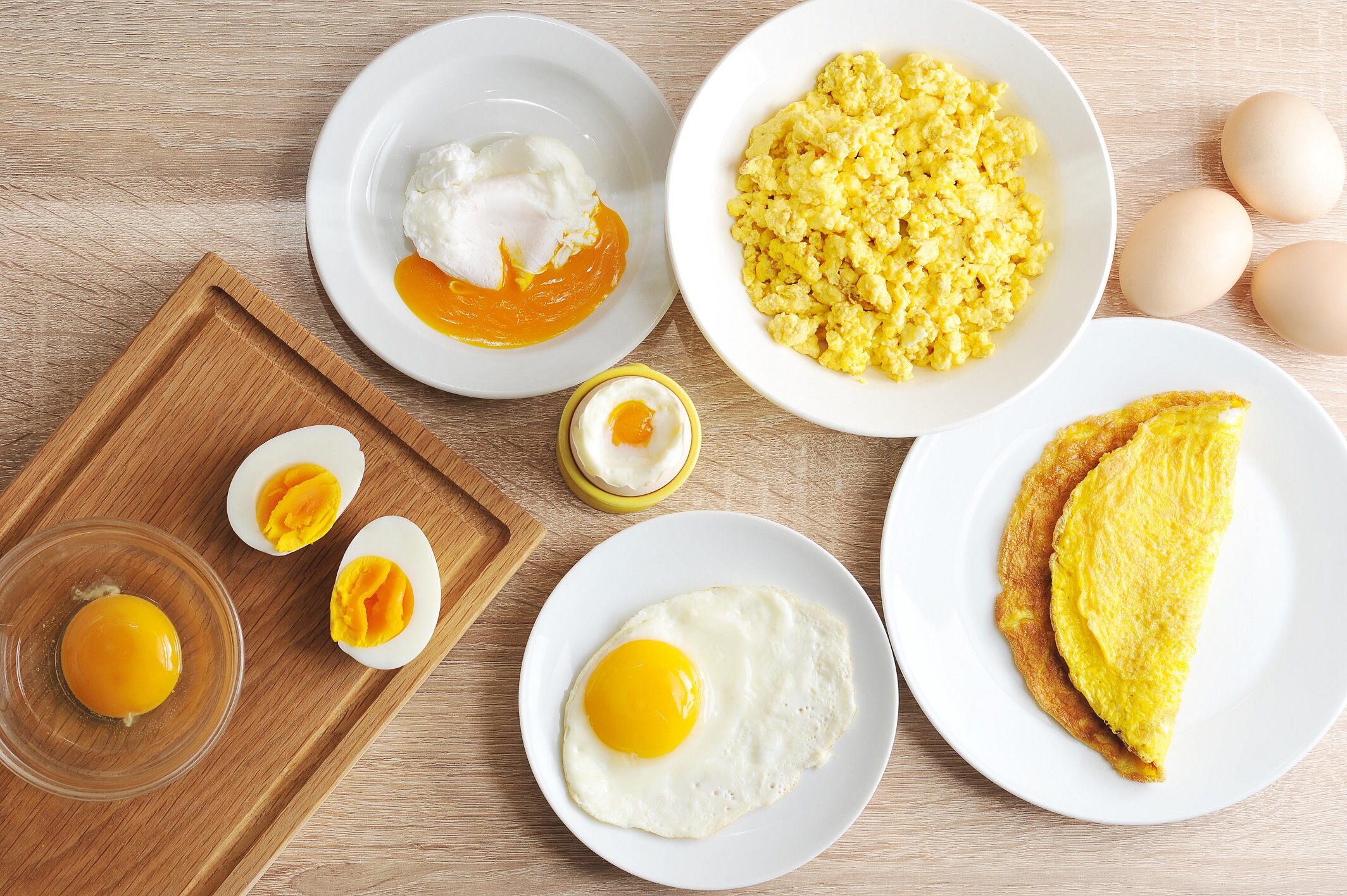
What is your favorite way to eat/prepare eggs?
Vote for your favorite way to prepare eggs!
- 45 replies
Featured by Bob


Here's the question.... Who of you Carnivores would consider purchasing beef off a ranch, rather than out of a grocery store?
???
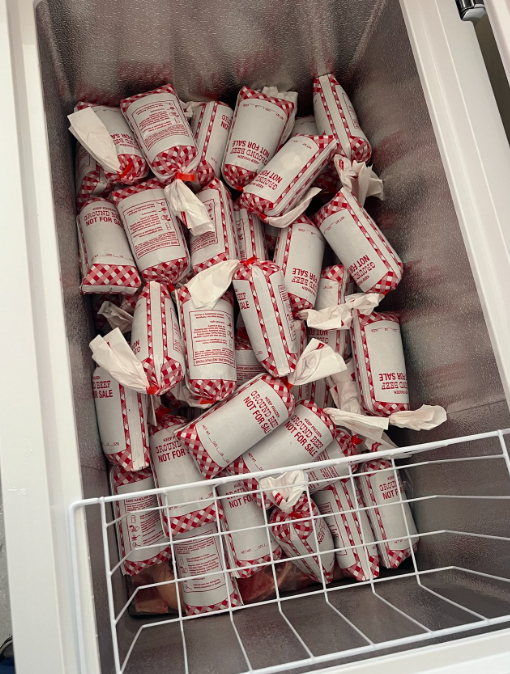
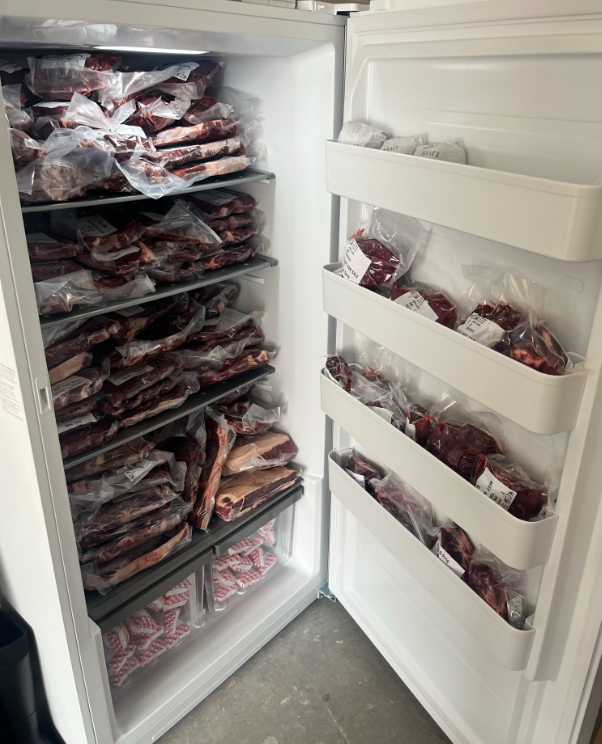
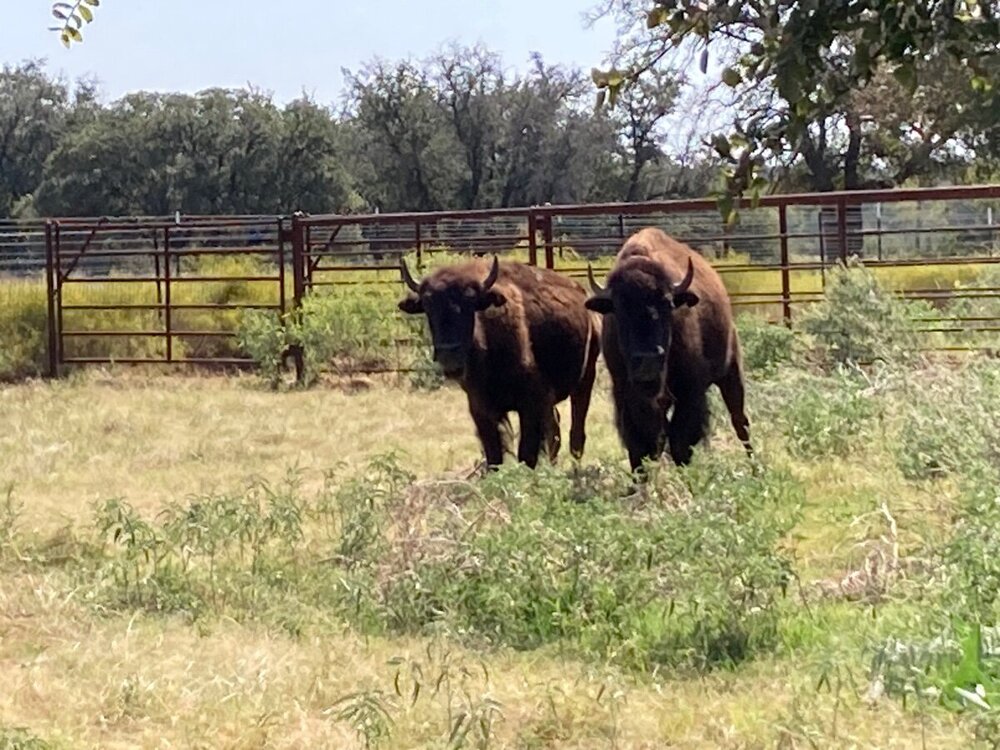
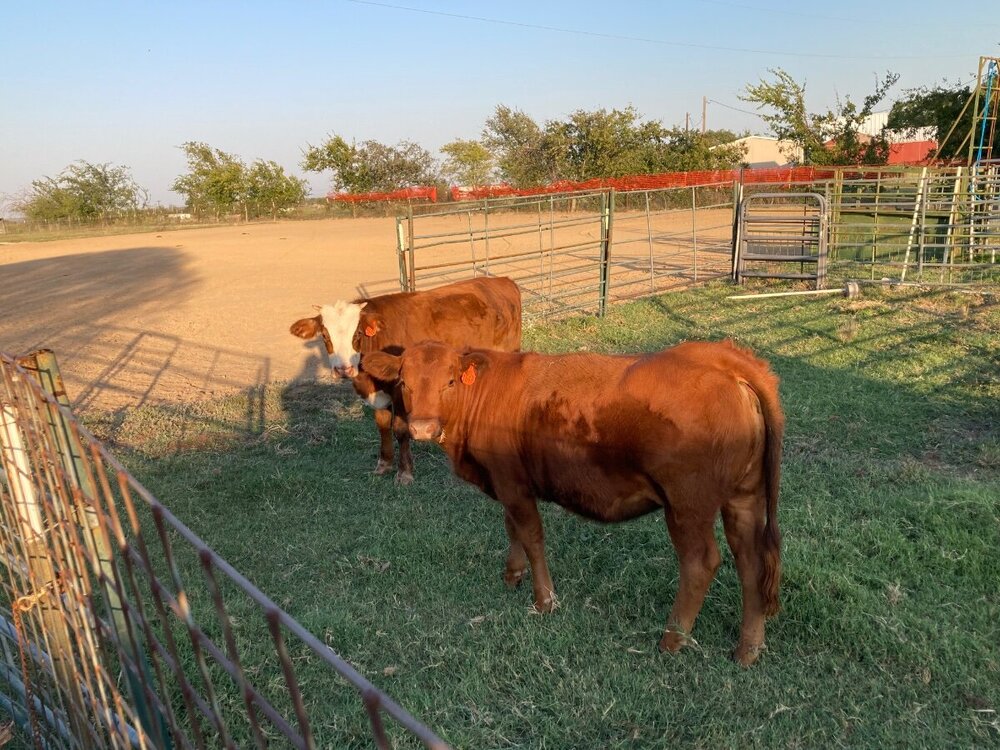
Last year the wife and I purchased 1/2 a beef from a local rancher. It was processed nicely and it has taken us a year to eat it all up. This year, due to us going Ketovore and eating so much more Beef, we opted to purchase a whole calf. The Angus calf just went to the processor, is 16 months old and weighs 1,100 live weight. It was completely milk/grass raised until the last 30 days, when it was given a diet of Meadow Hay and Cracked Corn, which will boost the fat content.
After processing and paying for the calf, it will cost me $5.45 a lb for everything. Yep, that is a lot of money up front, but everyone on this forum knows the cost of Beef at the store these days.
Sam's Club Pricing this week.........
Tenderloin is $20 a lb
Ribeye is $15 lb
Sirloin is $10 a lb
Hamburger is $4.79 a lb for Organic, non-Antibiotic.
Oh... my Ranch raised steer is Organic, non-Antibiotic.... So check those prices at Whole Foods!!!!!!
Also, when you buy a beef and have a local processor kill and package your meat, you get to choose the cuts you want. And you get to choose the fat percentage of your hamburger. We opted for 85/15 for our hamburger.
Like I said, we have to pay north of $3,500 for a full beef, but there is two of us and that only amounts to about $150 a month per person for a year.
And here is the BIG DEAL... We know how that calf was raised and fed and processed.
PS... the other cool thing is... you can request all of the big bones and you can make your own Bone Broth.