Welcome to our Carnivore / Ketovore / Keto Online Community!
Welcome to Carnivore Talk! An online community of people who have discovered the benefits of an carnviore-centric ketogenic diet with the goal of losing weight, optimizing their health, and supporting and encouraging one another. We warmly welcome you! [Read More]
- Replies 1
- Views 1.4k
- Created
- Last Reply
Top Posters In This Topic
-
Geezy 1 post

Popular Days
Posted Images
Featured Replies
Similar Content
-
- 1 reply
- 331 views



Featured Content
-
"World Carnivore Month" January Challenge!
Today is the first day of January and is also the first day of World Carnivore Month. To that end, let's challenge ourselves to eat a carnivore diet for the entire month of January. The type of carnivore diet and the level of strictness you choose to do is entirely up to you. Examples of carnivore diets include the following... 1) The Lion Diet. A person eating the Lion Diet only consumes the flesh of ruminant animals, water, and salt. 2) The BBBE Diet. BBBE is an acronym for Beef, Butter, Bacon, and Eggs. 3) The Carnivore Diet. This allows for the consumption of any and all animals and animal by-products, including dairy. In any of the above examples, the object of course is to not consume any plants as part of your diet. Of course, we're not going to micromanage hoe you prepare your food, so your use of seasonings is entirely your own personal choice. IF your circumstances don't allow you to go full on carnivore in January, then you can participate in this topic by challenge yourself to do better, above and beyond what you have been doing. For example, if you have still been eating grains, seed oils, refined sugar, or drinking alcohol, challenge yourself to avoid these items and just eat a clean, single ingredient whole foods diet such as clean keto, ketovore, or animal based. We encourage you to check in daily, and share what you have eaten, perhaps a weigh-in if you're willing, and enjoy in some small talk. Participants in this topic will be entered into a drawing for a prize at the end of the month.-
- 193 replies
 Featured by Guest
 -
-
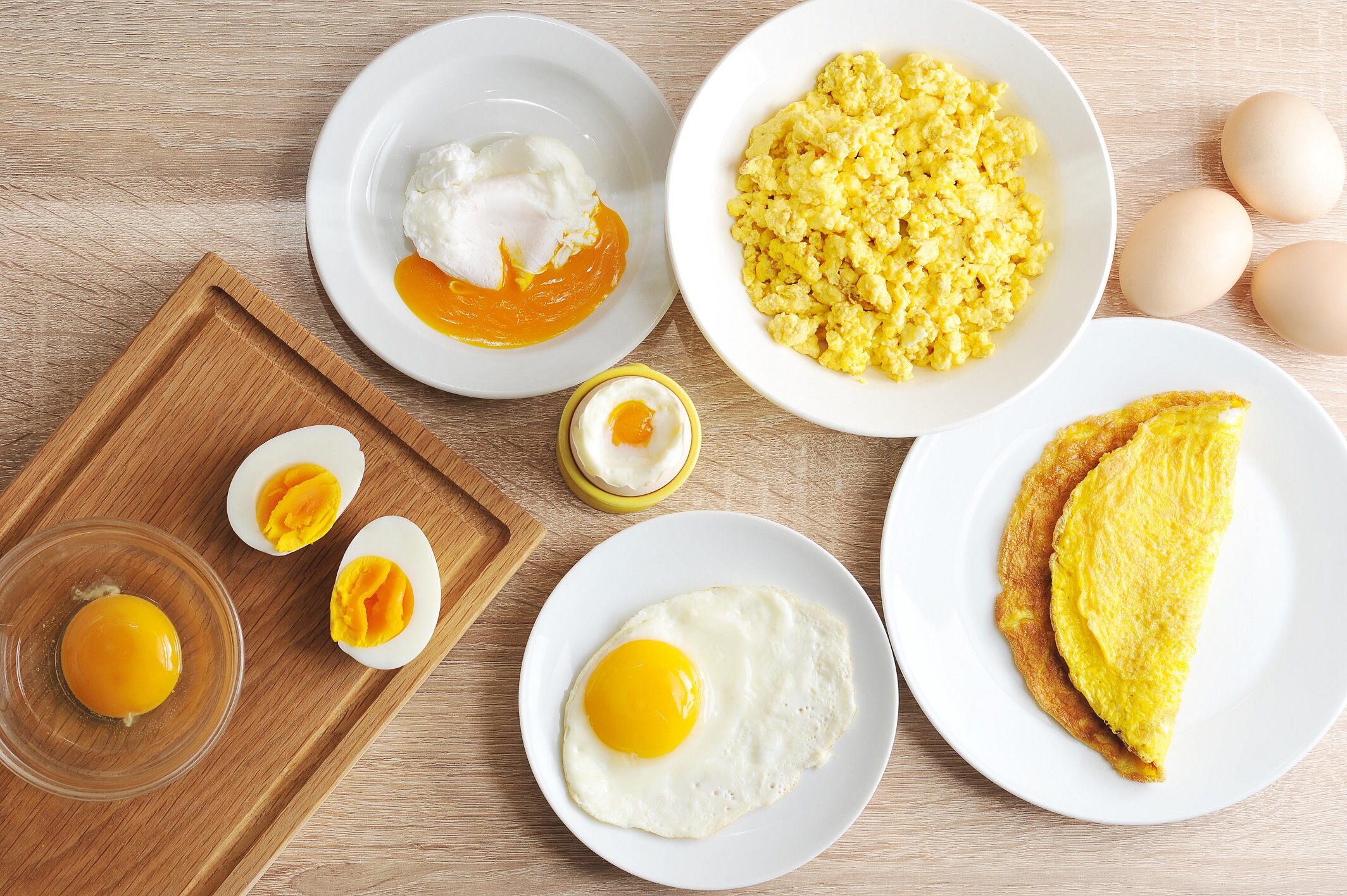
What is your favorite way to eat/prepare eggs?
Vote for your favorite way to prepare eggs!
- 45 replies
Featured by Bob



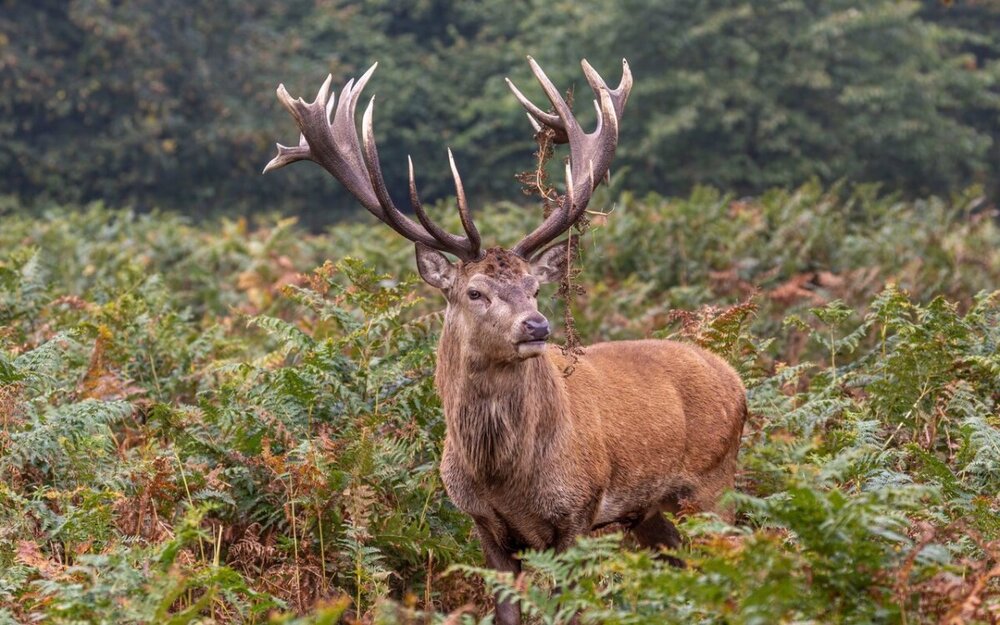
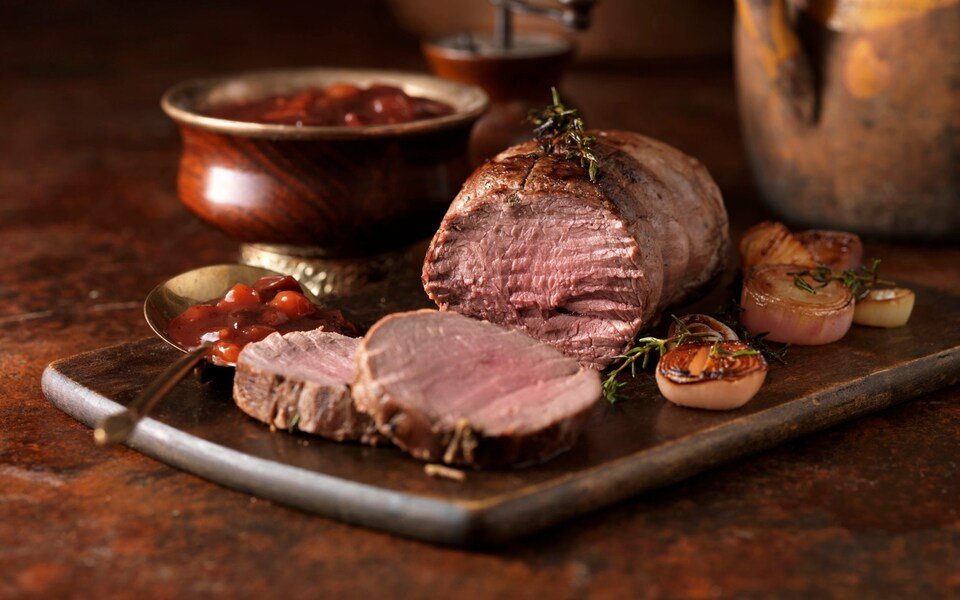
Appetite for game shoots up among the young as Britain turns its back on veganism
Health-conscious younger generation flock to buy meat such as venison after celebrity chefs extoll health and environmental benefits
Alex Barton, 25 December 2023
The appetite for game has shot up among members of Generation Z following a drive to get young people eating meat such as venison or pheasant.
The British Association for Shooting and Conservation (BASC) has launched a campaign to encourage more people to eat game, which it says is a cheap, sustainable and mineral rich source of low-fat protein.
BASC said its initiatives to get younger people into the previously niche meat have been furthered by celebrity chefs advocating its use.
Butchers nationwide are noticing the growth in interest as Britain turns its back on veganism with industry figures showing overall sales of meat alternatives are down 13.6 per cent over the last year.
Gareth Dockerty, deputy director of shooting and operations at BASC, said: “Game meat ticks so many boxes for consumers today. It’s healthy, sustainable, can be locally-sourced and is delicious.
“It’s a product that has grown in popularity, thanks in part to its versatility, availability, and the enthusiasm shown for it by celebrity chefs. This year alone, we have introduced almost 12,000 people to game meat at shows and events across the UK.”
Mr Dockerty added: “We have seen people of all ages keen to try the taste of game – younger people in particular can be quite adventurous but we have found that a simple venison burger or a game pie can be a great universal leveller.”
‘Young people are wanting to try different things’
Pheasant has more protein, less fat, five times as much iron and three times the selenium of chicken, whilst also having a third less calories, according to BASC.
Venison results in almost thirty times less carbon emission than beef per kilogram, with roe deer creating 0.6 kilograms of CO2 per kilogram of meat compared with 17.12kg/CO2 per kg of meat for beef.
Butchers say venison and other game is a cheap and protein-rich food CREDIT: Images from BarbAnna/Moment RF
BASC has led more than 40,000 educational classes during its campaign, with around 2,000 children given the chance to try game each summer as part of its upland outdoor education project.
Tim Hanks, who has won Best Butcher in the UK for the last three years, said adventurous, health-conscious young people on a budget are increasingly trying game as an alternative source of protein.
Mr Hanks said: “Health-conscious younger people are looking for cheap and protein-packed food.”
He said getting elderly people interested is actually more difficult, thanks to the huge cultural impact of Bambi on public consciousness in the 20th century.
“Some people, mainly older, have that association with Bambi which deters them from eating game,” Mr Hanks said.
“To get them to try something different you need to give them appealing ways to eat it, like pheasant goujons and wild boar sausages.”
‘The market is changing’
The 38-year-old said the hunger for game is “definitely growing” across the country, with airlines such as British Airways adding game terrine to its in-flight menu and hospitals offering it to patients too.
He said: “It’s definitely growing, there’s a pattern of people wanting more. It’s nationwide. You have people pushing game and more customers wanting it. That’s all new - the market is changing.”
Mr Hanks said he used to sell between one and two carcasses a week in 2018 but now shifts around ten per week.
British Airways was contacted for comment.
ARTICLE SOURCE: https://www.telegraph.co.uk/news/2023/12/25/game-protein-landfowl-increase-venison/