Welcome to our Carnivore / Ketovore / Keto Online Community!
Welcome to Carnivore Talk! An online community of people who have discovered the benefits of an carnviore-centric ketogenic diet with the goal of losing weight, optimizing their health, and supporting and encouraging one another. We warmly welcome you! [Read More]
11 months Carnivore: Financial limitations and lack of results.
- Replies 17
- Views 2.6k
- Created
- Last Reply
Top Posters In This Topic
-
Andre 6 posts
-
Orweller 4 posts
-
Bob 2 posts
-
ketomonster 2 posts



Most Popular Posts
-
Yes. Chicken is still nutritious and those burger patties/ground beef is still red ruminant meat. There really is no "calculation". Obese individuals are admonished to eat until they are comfor
-
You can make a switch to Keto, for sure. No problem. Now if you choose to go back to carb burning, I think you may gain weight back, you'll hold on to more liquid, and your body will go back to its ol
-
Carb deficit, good sir!
Featured Replies
Featured Content
-
"World Carnivore Month" January Challenge!
Today is the first day of January and is also the first day of World Carnivore Month. To that end, let's challenge ourselves to eat a carnivore diet for the entire month of January. The type of carnivore diet and the level of strictness you choose to do is entirely up to you. Examples of carnivore diets include the following... 1) The Lion Diet. A person eating the Lion Diet only consumes the flesh of ruminant animals, water, and salt. 2) The BBBE Diet. BBBE is an acronym for Beef, Butter, Bacon, and Eggs. 3) The Carnivore Diet. This allows for the consumption of any and all animals and animal by-products, including dairy. In any of the above examples, the object of course is to not consume any plants as part of your diet. Of course, we're not going to micromanage hoe you prepare your food, so your use of seasonings is entirely your own personal choice. IF your circumstances don't allow you to go full on carnivore in January, then you can participate in this topic by challenge yourself to do better, above and beyond what you have been doing. For example, if you have still been eating grains, seed oils, refined sugar, or drinking alcohol, challenge yourself to avoid these items and just eat a clean, single ingredient whole foods diet such as clean keto, ketovore, or animal based. We encourage you to check in daily, and share what you have eaten, perhaps a weigh-in if you're willing, and enjoy in some small talk. Participants in this topic will be entered into a drawing for a prize at the end of the month.-
- 193 replies
 Featured by Guest
 -
-
What is your favorite way to eat/prepare eggs?
Vote for your favorite way to prepare eggs!
- 45 replies
Featured by Bob




Hello people hope you all have been having a good holidays season.
I need some advice on what to do with my carnivore diet. Here goes my explonation of my situation (i will try to be as clear and concise as i can)
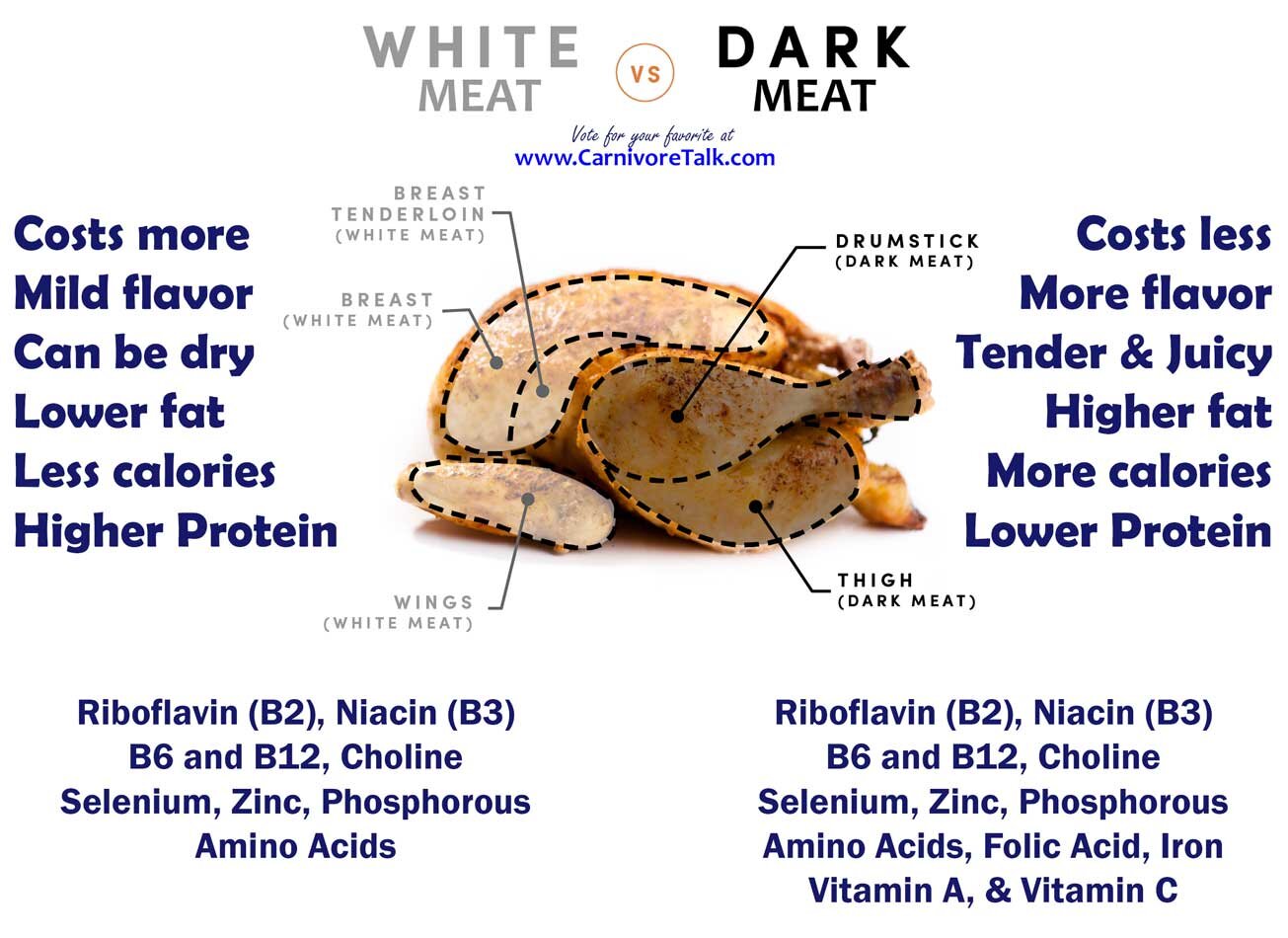
I am Brazilian(and live in Brazil) and here red meat or even ruminant meat has become very expensive. I have been eating a carnivore diet for almost 1 year. In the first 6 months I ate only red meat and eggs. I managed to lose about 15 pounds, but mostly water (and a couple of inches around my waist). My body fat has changed a lot. (In my first 3 months) I switched to chicken thighs (usually roasted) I managed to lose another 5-6 pounds and decrease some of my bodyfat (justa bit), land also some key massurements like waist and legs, but I have been stagnant for 3 months.(at least)
Now, Brazil has been suffering from the devaluation of our currency (1 dollar now equals 6.2 reais) and the rise of inflation, I can no longer afford red meat and ruminant meat.
I have been eating 1 kg of chicken thighs(usually roasted) and 7 -8 whole eggs a day. (all this food divided in 2 meals, in a 6 hours window). Nothing else. Nowadays I can only afford chicken (I prefer chicken thights because they are fattier) and burgers patties.
I am 35 years old, weight around 185 lbs and go to the gym 3 times a week (I do strength training to build muscle and help lose body fat). I started the carnivore diet for 2 main reasons: to lose body fat and get below 15% BF (I am around 20-22% BF) without having to starve myself . I have no health issues or chronic diseases. I also haven't experienced many of the famous carnivore benefits like increased energy or better sleep.
Now that i explained my situation, allow me ask you a few questions as someone who still need to lose the last 15-20 pounds of body fat without being about to buy red meat or ruminant meat, shoudl or could do:
1- Can I eat a carnivore diet and lose the excess body fat I still have if I can only afford chicken and Bugger patties?
2- How can I calculate how Bugger patties or chicken I should eat to lose body fat?
3- When should I start using the CICO model, since eating until fullness(satiety) really stopped working for me after the initial 3-4 months of being a carnivore?
4-Should i in my fanancial situation migrate to a Keto diet? IN can of Ys, how do i calculate how much food i should eat to lose bodyfat?
I am afraid that I will have to quit the carnivore diet, since I cannot afford red meat or ruminant meat, and also because of my lack of results in terms of losing body fat. I do not know what to do in my situation.
Thank you for your attention.