Welcome to our Carnivore / Ketovore / Keto Online Community!
Welcome to Carnivore Talk! An online community of people who have discovered the benefits of an carnviore-centric ketogenic diet with the goal of losing weight, optimizing their health, and supporting and encouraging one another. We warmly welcome you! [Read More]
The Trouble With America’s Ultra-Processed Diet

Featured Replies
Similar Content
-
- 5 replies
- 3,392 views



Featured Content
-
"World Carnivore Month" January Challenge!
Today is the first day of January and is also the first day of World Carnivore Month. To that end, let's challenge ourselves to eat a carnivore diet for the entire month of January. The type of carnivore diet and the level of strictness you choose to do is entirely up to you. Examples of carnivore diets include the following... 1) The Lion Diet. A person eating the Lion Diet only consumes the flesh of ruminant animals, water, and salt. 2) The BBBE Diet. BBBE is an acronym for Beef, Butter, Bacon, and Eggs. 3) The Carnivore Diet. This allows for the consumption of any and all animals and animal by-products, including dairy. In any of the above examples, the object of course is to not consume any plants as part of your diet. Of course, we're not going to micromanage hoe you prepare your food, so your use of seasonings is entirely your own personal choice. IF your circumstances don't allow you to go full on carnivore in January, then you can participate in this topic by challenge yourself to do better, above and beyond what you have been doing. For example, if you have still been eating grains, seed oils, refined sugar, or drinking alcohol, challenge yourself to avoid these items and just eat a clean, single ingredient whole foods diet such as clean keto, ketovore, or animal based. We encourage you to check in daily, and share what you have eaten, perhaps a weigh-in if you're willing, and enjoy in some small talk. Participants in this topic will be entered into a drawing for a prize at the end of the month.-
- 193 replies
 Featured by Guest
 -
-
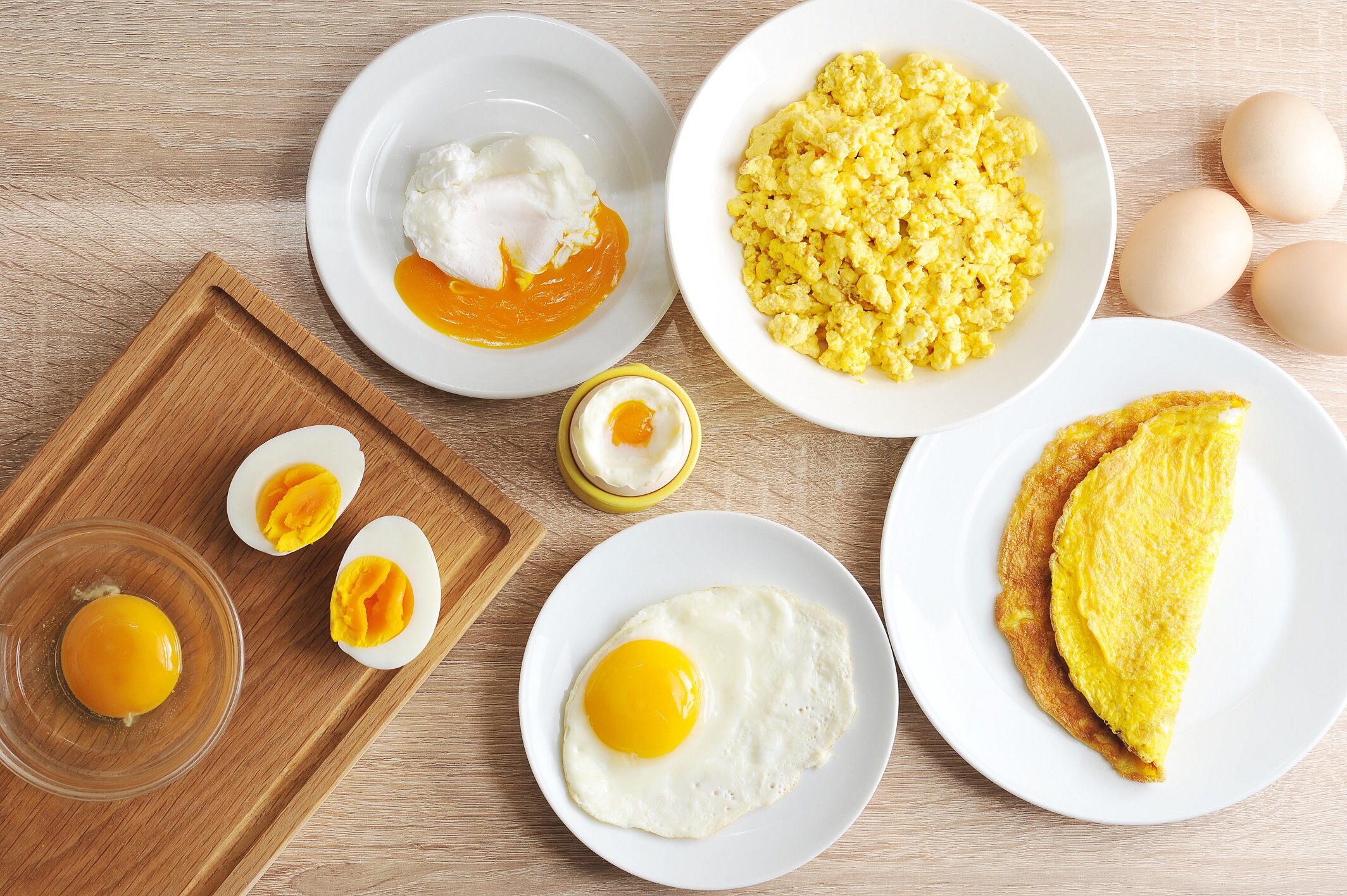
What is your favorite way to eat/prepare eggs?
Vote for your favorite way to prepare eggs!
- 45 replies
Featured by Bob



The Trouble With America’s Ultra-Processed Diet
Story by Andrea Petersen
Should your granola bar come with a warning label?
Concern is rising about the amount of ultra-processed foods in American diets, and the effect eating so many of those foods has on our health. Part of the problem, nutrition researchers say, is that lots of healthy-seeming items—many breakfast cereals, soups and yogurts as well as granola—fall into that category. Recent studies have linked diets high in ultra-processed foods to increased risks of obesity, Type 2 diabetes, cancer, cardiovascular disease and depression.
Yet there’s no set definition of what makes a food ultra-processed, and scientists are still figuring out exactly why eating a lot of these foods is associated with health problems.
These foods are coming under a microscope as the U.S. government prepares the latest version of its dietary guidelines, which tell Americans which types of foods to eat and how much. For the first time, the government is asking its scientific advisory committee to consider how diets consisting of varying amounts of ultra-processed foods influence body composition and obesity risk.
Food companies dispute the idea that their products are unhealthy and say that packaged food gives people a convenient, affordable way to get nutrients.
“Attempting to classify processed foods as unhealthy simply because they are processed misleads consumers,” says David Chavern, CEO of Consumer Brands Association, a trade group representing the consumer products industry, including food manufacturers.
Ultra-processed foods now make up a majority of Americans’ diets. About 58% of the calories that U.S. adults and children ages 1 and older consume in a day come from ultra-processed foods, according to an analysis of federal data collected from 2001 to 2018. Among children, the number is higher—and is growing. In 2018, children ages 2 to 19 received 67% of their daily calories from such foods, up from 61.4% in 1999, according to another analysis of federal data.
However, frozen pizza, chicken nuggets and protein bars—the bulk of them ultra-processed according to some experts—are popular for a reason: They’re cheap, tasty and convenient.
What is ultra-processed food?
Nutrition researchers generally consider foods ultra-processed if they include ingredients that you wouldn’t find in a home kitchen, such as high-fructose corn syrup and emulsifiers, said Christina A. Roberto, director of the Psychology of Eating and Consumer Health Lab at the University of Pennsylvania’s Perelman School of Medicine.
Many researchers define foods’ level of processing using a classification system published by scientists in Brazil.
Unprocessed or minimally processed foods are pretty close to their natural state—fruits, vegetables, plain meat. They may be altered via processes such as drying, roasting or pasteurizing and can include some preservatives, but lack added salt, sugar or other food substances, said Carlos A. Monteiro, a professor in the department of nutrition at the School of Public Health at the University of São Paulo and a co-creator of the system.
Processed foods may be preserved by canning, bottling or some fermentation, and may contain ingredients such as butter or salt: think canned beans, cheese or fresh bread you’d find at a local bakery.
Most ultra-processed foods have some engineering involved. To make them, companies generally break down whole foods and chemically modify them to create ingredients like soy protein isolate, derived from soybeans, and maltodextrin, a sweetener derived from corn, rice or other grains. Ultra-processed foods also often include ingredients that enhance a food’s flavor, color or texture.
What’s healthy?
Not all ultra-processed foods are equal, some scientists say, and some may be good for you.
Plenty of foods that tout health benefits with labels like “organic,” a “good source of whole grains” or “low in sugar” are ultra-processed, said Lindsey Smith Taillie, associate professor in the nutrition department at the University of North Carolina Gillings School of Global Public Health.
“The more of those you see on a product, the more likely it is to be ultra-processed,” she says. “Eggs or milk or plain fruit and vegetables don’t carry claims.”
Among foods considered ultra-processed by the classification system are supermarket staples like Pepperidge Farm Whole Grain 100% Whole Wheat bread, Yoplait strawberry yogurt, Nature Valley Oats & Honey Protein Granola, Beyond Burger, Clif Builders Protein bar, Skippy Reduced Fat Creamy Peanut Butter Spread and Campbell’s Chunky soup, beef with country vegetables.
General Mills, which markets Yoplait yogurt and Nature Valley granola, noted that there’s no single definition of ultra-processed food. A nutrition adviser for Beyond Meat said their products provide health benefits and shouldn’t be put into a category with unhealthy food.
Hormel Foods, which makes Skippy, referred questions to an industry association, which disputed the suggestion that processed foods are unhealthy. Campbell’s, which markets Pepperidge Farm as well as its soup, said both products have significant nutritional benefits and “should not be labeled subjectively.” Clif Bar said its Builders brand is designed “to help fuel muscle recovery after physical activity.”
The health risks
In nature, most foods are either high in fat, like meat, or high in carbohydrates (which turn into sugar in the body), like fruit. Ultra-processed foods are often high in both fat and carbs, which causes them to act more potently on the reward systems in our brains and can make them addictive, said Ashley Gearhardt, a professor of psychology at the University of Michigan who studies food addiction.
Foods such as ultra-processed ice cream, french fries, pizza and chips “are beyond anything our brain evolved to handle,” she said. Diets high in fat, sugar and sodium are associated with cardiovascular disease and other health issues.
An influential study from researchers at the National Institutes of Health found that people who ate a diet high in ultra-processed foods consumed more calories and gained weight compared with people who ate a minimally processed diet—even though the diets contained roughly the same amounts of calories, fat, sugar, sodium and fiber.
Scientists created two diets, one with most calories coming from foods like packaged muffins and deli turkey and the other with most calories coming from minimally processed foods, including scrambled eggs and salads with chicken.
When people ate the majority-ultra-processed diet, they ended up consuming about 500 calories more a day than they did on the less-processed diet. After two weeks, they gained about 2 pounds. Participants lost about 2 pounds after two weeks on the unprocessed diet.
People eating the ultra-processed foods had to consume more calories to attain the same level of satisfaction and fullness as they did on the other diet, said Kevin D. Hall, the lead author of the study and a scientist at the NIH.
Hall believes that one way ultra-processed foods may contribute to weight gain is that they often contain more calories per gram compared with less-processed foods. This is because when companies make ultra-processed products, they break down the cellular structure of the raw ingredients and remove the water, Hall said.
Highly processing foods makes them more rapidly digestible, so that few calories and nutrients make it to your large intestine, which can change the microbiome in the gut, said Dr. Dariush Mozaffarian, a cardiologist and professor of nutrition and medicine at Tufts University. Because the microbiome digests calories, this means that even if two people are eating the same number of calories, the one consuming lots of ultra-processed foods will have more calories available to be turned into fat compared with someone eating a largely minimally processed diet.
“You can imagine how hard it is for the first person to keep the weight off,” he said.
What to do
To reduce the amount of ultra-processed foods in your diet, choose whole foods as much as you can. Frozen vegetables, canned beans, canned tuna and roasted nuts can be convenient and quick. With packaged foods, health claims like “low in sugar” or “heart healthy” are often a giveaway that they’re ultra-processed, says Taillie, the nutrition researcher.
When looking at product labels, choose items with fewer ingredients overall and try to avoid those with ingredients you don’t recognize. You can add unprocessed foods to ultra-processed meals to make them healthier: Toss fresh broccoli into boxed mac and cheese; add plain vegetables to a frozen meal.
Write to Andrea Petersen at *****@*****.tld
Article Source:
https://www.msn.com/en-us/health/nutrition/the-trouble-with-america-s-ultra-processed-diet/ar-AA1jU36m
Subscribe to Carnivore Talk on YouTube | Be our guest on the channel | Leave me a voicemail, yo!