Welcome to our Carnivore / Ketovore / Keto Online Community!
Welcome to Carnivore Talk! An online community of people who have discovered the benefits of an carnviore-centric ketogenic diet with the goal of losing weight, optimizing their health, and supporting and encouraging one another. We warmly welcome you! [Read More]
- Replies 21
- Views 2.5k
- Created
- Last Reply
Top Posters In This Topic
-
Carnivore Chef 11 posts
-
Scott F. 4 posts
-
Geezy 2 posts
-
Miranda 2 posts




Popular Days
Most Popular Posts
-
I've been cooking for most of my life as well. Twenty years of it, I actually got paid for it. At home since it's just me, I like one pot meals. And sometimes even eat out of the pot. I read or watch
-
We have a recipe section if you would like to contribute to that but if you would like to create a thread detailing just one subject at a time that would be great too. I’m a bit of a cook myself and I
-
I love this idea! Thanks for explaining your experiment. I always look at the suet in the store. But chicken out. I bet that shredded beef stew with blue cheese and chunks of suet was perfection. Alth

Posted Images

Featured Replies
Featured Content
-
"World Carnivore Month" January Challenge!
Today is the first day of January and is also the first day of World Carnivore Month. To that end, let's challenge ourselves to eat a carnivore diet for the entire month of January. The type of carnivore diet and the level of strictness you choose to do is entirely up to you. Examples of carnivore diets include the following... 1) The Lion Diet. A person eating the Lion Diet only consumes the flesh of ruminant animals, water, and salt. 2) The BBBE Diet. BBBE is an acronym for Beef, Butter, Bacon, and Eggs. 3) The Carnivore Diet. This allows for the consumption of any and all animals and animal by-products, including dairy. In any of the above examples, the object of course is to not consume any plants as part of your diet. Of course, we're not going to micromanage hoe you prepare your food, so your use of seasonings is entirely your own personal choice. IF your circumstances don't allow you to go full on carnivore in January, then you can participate in this topic by challenge yourself to do better, above and beyond what you have been doing. For example, if you have still been eating grains, seed oils, refined sugar, or drinking alcohol, challenge yourself to avoid these items and just eat a clean, single ingredient whole foods diet such as clean keto, ketovore, or animal based. We encourage you to check in daily, and share what you have eaten, perhaps a weigh-in if you're willing, and enjoy in some small talk. Participants in this topic will be entered into a drawing for a prize at the end of the month.-
- 193 replies
 Featured by Guest
 -
-
What is your favorite way to eat/prepare eggs?
Vote for your favorite way to prepare eggs!
- 45 replies
Featured by Bob





Hey, as a new carnivore dude, 67 years old btw, and also a good cook of several decades of experience, i am making my own carnivore recipies to share with the group and also get insights and ideas from other carnivores. I'm not sure if this is the appropriate place on the forums to do this so moderators can weigh in. My thinking is to start a thread here with a basic idea based around a particular animal based product, in this case, beef suet. I want to find out if the carnivores are eating beef suet and how they prepare it. Then after some considerations I can post on this thread whatever I decide to try in the form of an actual recipe and the thread can run perpetually as i get new ideas, my own ideas and from the input from other carnivores. If the mods think i should post the actual recipe on a new thread just say so, no worries. However i think the free exchange of ideas between carnivores on how to prepare certain animal products like beef suet is an important aspect to expanding the carnivore menu.
I never thought of beef suet as something to eat like an actual food and thought it was literally "for the birds" haha. But i watched a video or two on YouTube and now understand that it is eaten by the carnivores too.
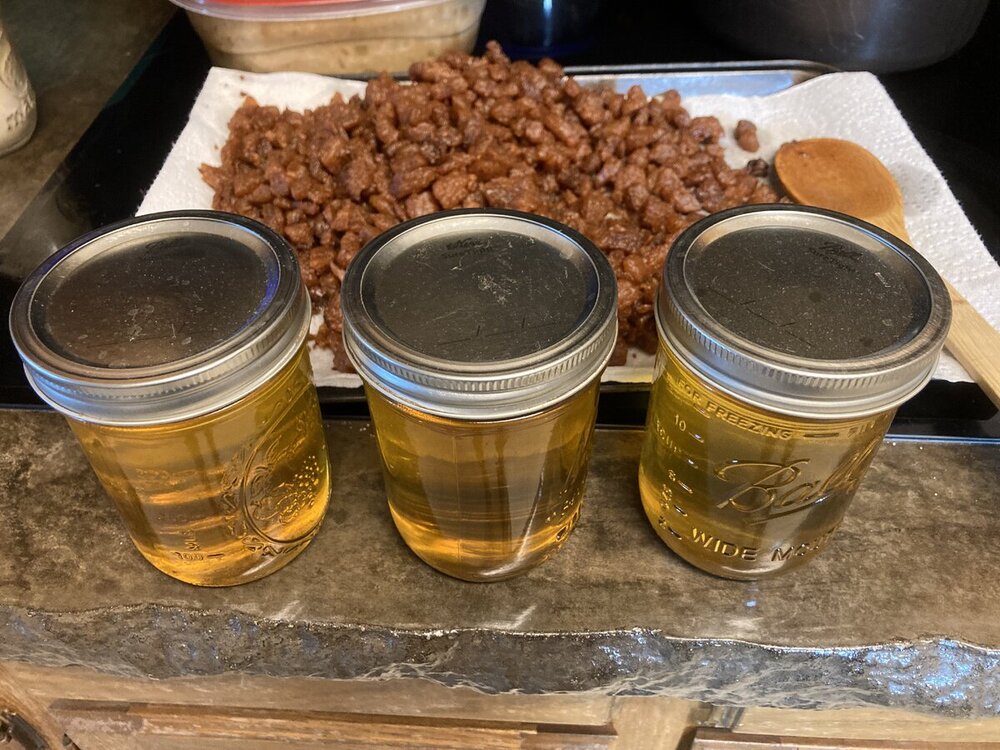
When i went out for my first carnivore shopping spree i picked up some beef suet. I cut up a 3lb chunk into small like 1 inch cubes and rendered these in a 250F oven for 3 hours using a dutch oven covered, stirring occasionally, using about half a teaspoon of whole organic fennel seeds and a bay leaf for aromatics.
Anyways, after 3 hours i was left with all these globules of rendered beef suet swimming around in the tallow. I tried a couple of these cubes with a bit of salt and it was heavenly is all i can say!
At the same time as i was doing my suet experiment i was making a blue cheese and shredded beef beef stew, so i mixed in a cup of these suet blobs into the stew. Wow! It really added some flavor, texture, and filler to the stew without them falling apart. [Next time i make the stew i will post the recipe because it is delicious]
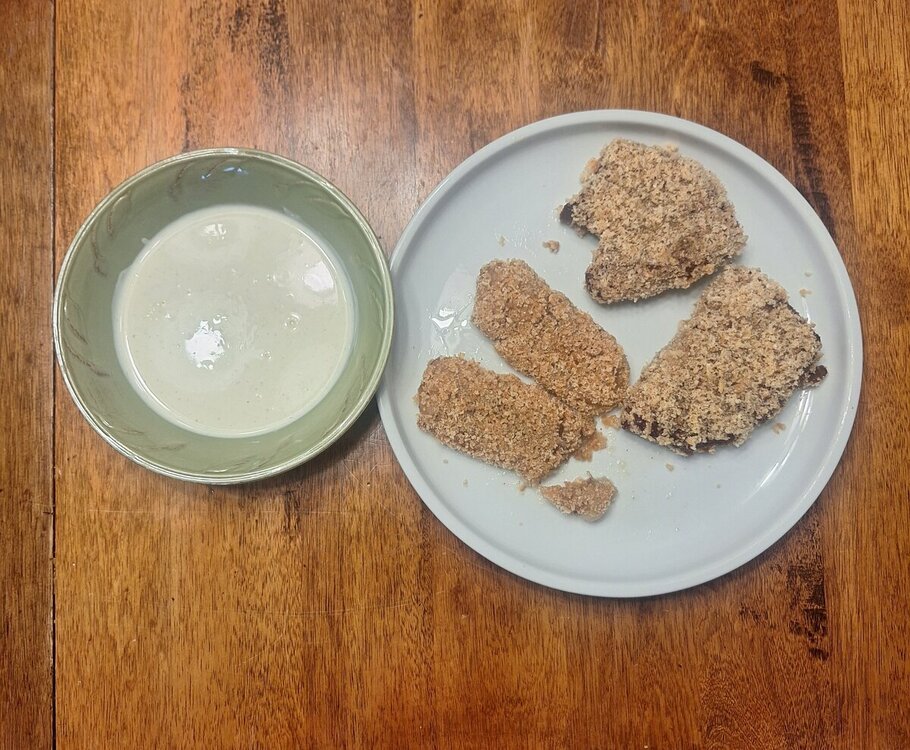
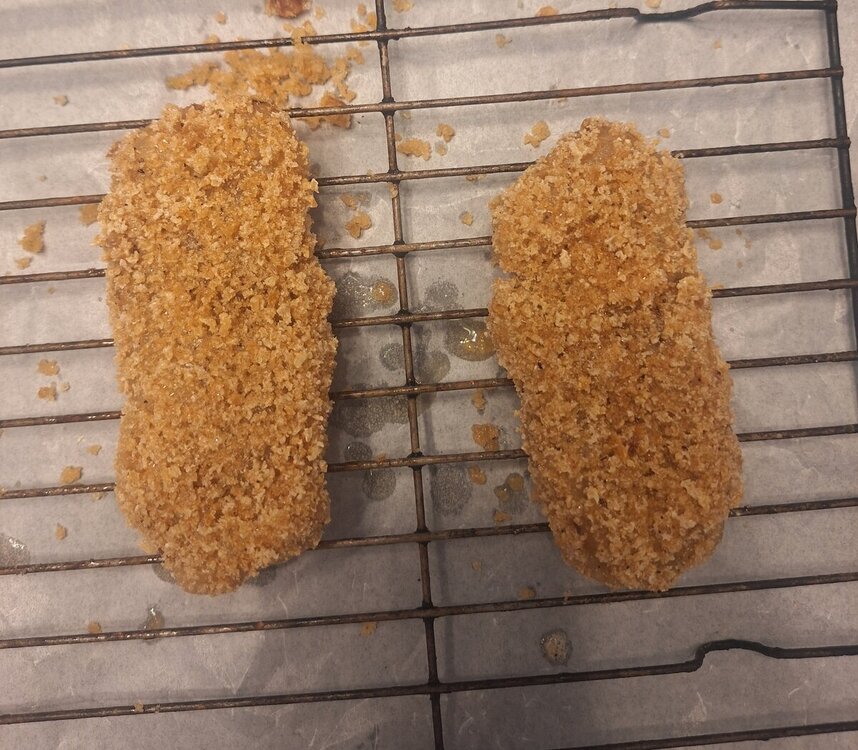
I still have about a cup of the suet globs left so my thought is to incorporate these into my dill pickle chicken wing stew, which i plan on making today along with a fried panko version of the dill pickle chicken wings too, suggested by Miranda, my thanks to her, and I will post the results.
All this to say that i bought another chunk of beef suet, and my plan is to cut this chunk of suet into "suet steaks" render them in the oven then experiment with various flavorful preparations using the suet steaks. True, it would probably be good "as is" out of the oven with a bit of salt and pepper, but beef suet come across as something that deserves more eperimentation in order to bring greater variety to the carnivore table. I am an experimental cook so sometimes it might take a few iterations of a recipe to get it perfected.
So in closing, I am asking if you carnivores are using beef suet in your diet, and how are you preparing it? Thanks for any and all input!
Carnivore Chef