Welcome to our Carnivore / Ketovore / Keto Online Community!
Welcome to Carnivore Talk! An online community of people who have discovered the benefits of an carnviore-centric ketogenic diet with the goal of losing weight, optimizing their health, and supporting and encouraging one another. We warmly welcome you! [Read More]
- Replies 4
- Views 1.9k
- Created
- Last Reply



Popular Days
Most Popular Posts
-
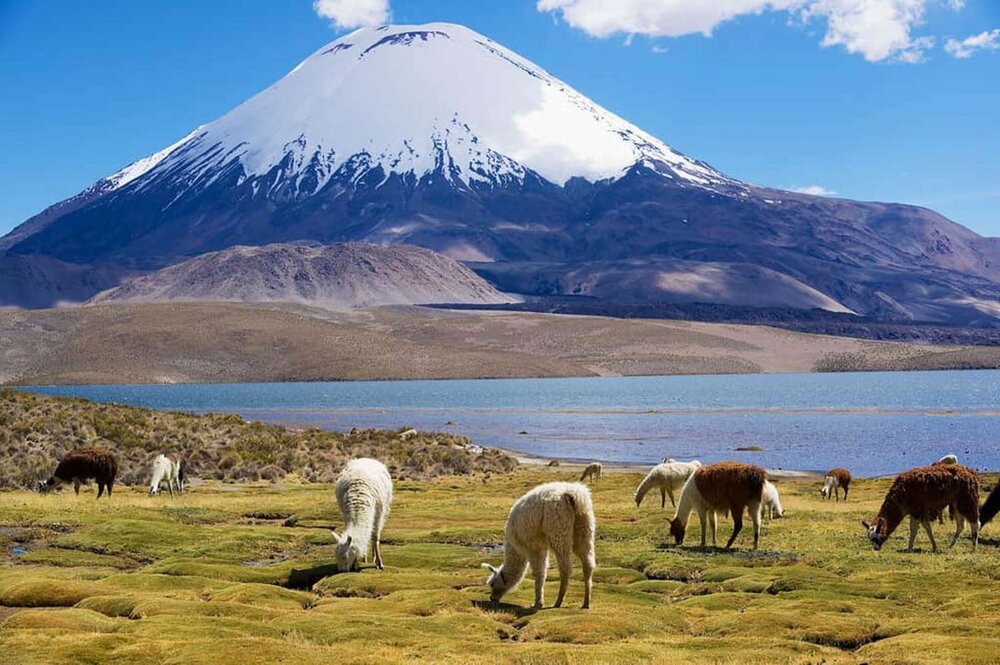
Never thought of eating alpaca before but now I want to try it. Sent from my iPhone using Tapatalk
-
I'd eat it.
-
I’ve eaten many things including calf fry’s, that I harvest myself and bugs both live and cooked. Yeah, I fall into the category of being willing to try anything once. Sent from my iPhone using Ta
Posted Images



Featured Replies
Similar Content
-
- 8 replies
- 2,669 views
-
- 0 replies
- 882 views
-
- 0 comments
- 1,647 views


Featured Content
-
"World Carnivore Month" January Challenge!
Today is the first day of January and is also the first day of World Carnivore Month. To that end, let's challenge ourselves to eat a carnivore diet for the entire month of January. The type of carnivore diet and the level of strictness you choose to do is entirely up to you. Examples of carnivore diets include the following... 1) The Lion Diet. A person eating the Lion Diet only consumes the flesh of ruminant animals, water, and salt. 2) The BBBE Diet. BBBE is an acronym for Beef, Butter, Bacon, and Eggs. 3) The Carnivore Diet. This allows for the consumption of any and all animals and animal by-products, including dairy. In any of the above examples, the object of course is to not consume any plants as part of your diet. Of course, we're not going to micromanage hoe you prepare your food, so your use of seasonings is entirely your own personal choice. IF your circumstances don't allow you to go full on carnivore in January, then you can participate in this topic by challenge yourself to do better, above and beyond what you have been doing. For example, if you have still been eating grains, seed oils, refined sugar, or drinking alcohol, challenge yourself to avoid these items and just eat a clean, single ingredient whole foods diet such as clean keto, ketovore, or animal based. We encourage you to check in daily, and share what you have eaten, perhaps a weigh-in if you're willing, and enjoy in some small talk. Participants in this topic will be entered into a drawing for a prize at the end of the month.-
- 193 replies
 Featured by Guest
 -
-
What is your favorite way to eat/prepare eggs?
Vote for your favorite way to prepare eggs!
- 45 replies
Featured by Bob




Alpaca Meat: Why Alpaca Meat is a Nutritious and Sustainable Protein Option
Story by Andrew Wood
You might know alpacas as animals similar to llamas that are raised in the United States as pets or for their wool. But did you know alpaca meat is also a nutritious and sustainable protein option? People in South America have been eating them for thousands of years. In principle, there’s no reason they couldn’t become as much a part of our diet as beef, with fewer health and environmental repercussions. Read on to find out more.
What Is an Alpaca?
Alpacas are South American animals related to camels and llamas. They’re smaller than both of those. Typically, they can weigh 100-200 pounds and stand about 32-40 inches at the shoulder. This makes them the same size or even a little smaller than sheep, which weigh anywhere from 99-287 pounds and stand 32-47 inches at the shoulder. Local people bred alpacas mainly for their wool, which means they could also be bred to be small in size, easier to handle, and require less food. Alpacas are herbivores that feed on grass. Living in the high Andes where grass is scarce, they developed the ability to subsist on far less food than comparable grazing animals. Most of the world’s alpaca population today is in Peru.
What Makes Alpaca Meat a Nutritious Option?
Alpaca is a salty, tender, lean, sweet-tasting red meat. It’s high in protein and tastes most similar to beef without leaving a fatty aftertaste. In cooking it tends to take on the flavor of the dish you’re cooking. Chefs recommend cooking it on high heat, turning it once, letting it rest on a warmed plate for several minutes, and serving it rare or medium. It can be substituted for beef in almost any recipe. The Australian Alpaca Association provides some tasty recipes to try out.
Nutritionally, alpaca is closest to pink salmon in its levels of fat and protein. It is one of the lowest-cholesterol meats other than fish you can eat. See for yourself how its nutritional details stack up in the chart below:
How is Alpaca Meat a Sustainable Protein Option?
Here are some of the reasons alpaca is easier on the environment than many other livestock raised for meat:
Where Can You Buy Alpaca Meat?
If you live near an alpaca farm you might be able to purchase alpaca meat directly from the source. Otherwise, ordering it on the Internet is your best bet. You can find ground alpaca, kabobs, tenderloins, and more. Depending on the cut of meat, you’ll find prices ranging from $12-$30 or more a pound. Pay attention to shipping costs as you comparison shop, as the final price might make it cheaper to buy from an outfit that charges more per pound, but less for shipping.
Should you Raise Your Own Alpacas?
You might be thinking at this point you’d like to raise your own alpacas. Here are some things to consider before taking the plunge:
Raising alpacas won’t be for everyone, but as they become more popular and more available in meat markets, you might want to give it a try, for your health and the health of the planet.
The post Alpaca Meat: Why Alpaca Meat is a Nutritious and Sustainable Protein Option appeared first on AZ Animals.
ARTICLE SOURCE: https://www.msn.com/en-us/health/nutrition/alpaca-meat-why-alpaca-meat-is-a-nutritious-and-sustainable-protein-option/ar-AA1ijjqx