Welcome to our Carnivore / Ketovore / Keto Online Community!
Welcome to Carnivore Talk! An online community of people who have discovered the benefits of an carnviore-centric ketogenic diet with the goal of losing weight, optimizing their health, and supporting and encouraging one another. We warmly welcome you! [Read More]
The Very MEATY History of Treating Diabetes Before Insulin
- Replies 8
- Views 2.3k
- Created
- Last Reply




Most Popular Posts
-
It is so logical that it blows my mind that the medical community is so blind to this. But then again they aren’t allowed to be free thinkers and must follow the protocols of their handlers. Sent f
-
I saw that the other day myself. It’s always about profit, power and control. It’s because even more evident in the last three years and even more so since becoming carnivore. Sent from my iPhone u
-
I myself am a diabetic...I can honestly say that having worked for a major Pharmaceutical company for 12.5 years...the culture is most definitely treatment as opposed to cures..! I was also led to be
Posted Images
Featured Replies
Similar Content
-
- 3 replies
- 228 views
-
- 2 replies
- 208 views
-
- 3 replies
- 228 views


Featured Content
-
"World Carnivore Month" January Challenge!
Today is the first day of January and is also the first day of World Carnivore Month. To that end, let's challenge ourselves to eat a carnivore diet for the entire month of January. The type of carnivore diet and the level of strictness you choose to do is entirely up to you. Examples of carnivore diets include the following... 1) The Lion Diet. A person eating the Lion Diet only consumes the flesh of ruminant animals, water, and salt. 2) The BBBE Diet. BBBE is an acronym for Beef, Butter, Bacon, and Eggs. 3) The Carnivore Diet. This allows for the consumption of any and all animals and animal by-products, including dairy. In any of the above examples, the object of course is to not consume any plants as part of your diet. Of course, we're not going to micromanage hoe you prepare your food, so your use of seasonings is entirely your own personal choice. IF your circumstances don't allow you to go full on carnivore in January, then you can participate in this topic by challenge yourself to do better, above and beyond what you have been doing. For example, if you have still been eating grains, seed oils, refined sugar, or drinking alcohol, challenge yourself to avoid these items and just eat a clean, single ingredient whole foods diet such as clean keto, ketovore, or animal based. We encourage you to check in daily, and share what you have eaten, perhaps a weigh-in if you're willing, and enjoy in some small talk. Participants in this topic will be entered into a drawing for a prize at the end of the month.-
- 193 replies
 Featured by Guest
 -
-
What is your favorite way to eat/prepare eggs?
Vote for your favorite way to prepare eggs!
- 45 replies
Featured by Bob




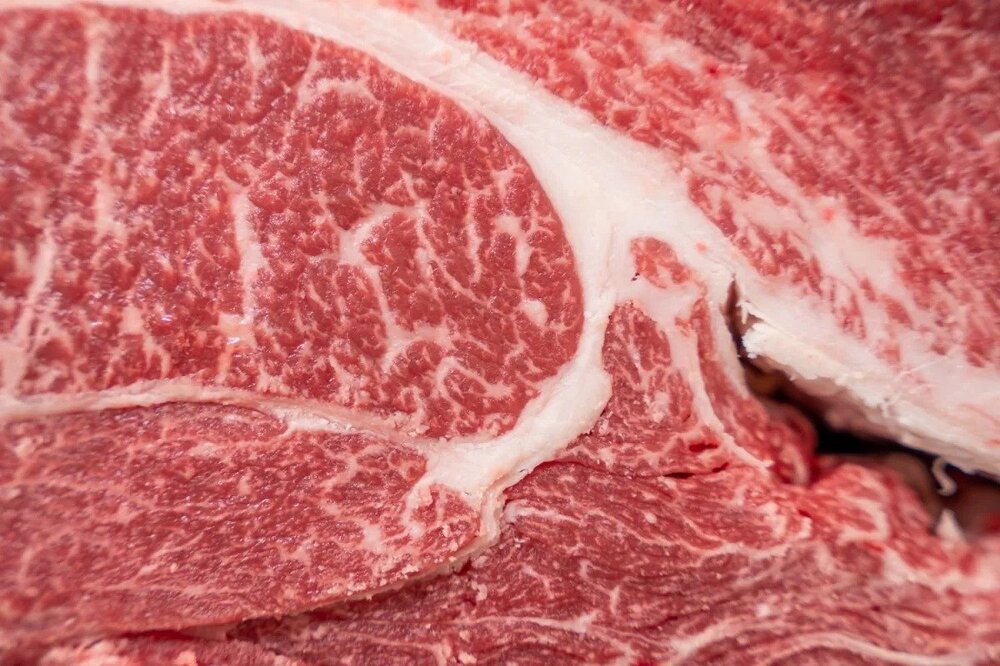
The Very Meaty History of Treating Diabetes Before Insulin
A surprisingly effective method for its time
It’s been just over a century since insulin was first used to treat diabetes. Given that doctors and scientists have known about diabetes for thousands of years — and have been searching for the best way to improve the lives of people with the condition since then — that means a lot of different treatments were tried out over the years all over the world. And, as it turns out, some of them involved plenty of meat.
In an excerpt from his book Rethinking Diabetes: What Science Reveals about Diet, Insulin, and Successful Treatments, Gary Taubes recounts the story of the 18th century doctor John Rollo, who “may have been the first physician to successfully bring a case of diabetes under control.” What did Rollo prescribe his patients? Meat. So, so much meat.
Taubes refers to this as “the animal diet,” which is exactly what it sounds like. (Thankfully, Rollo’s refinement of this meant that he moved away from telling patients to eat “rancid old meat and fat.”) The thinking behind this was to reduce carbohydrates in diabetes patients, and it seems to have worked to prolong the lives of several of the people he treated, provided they stuck to the regimen.
If you’re reading this description and getting flashbacks to, say, the heyday of the Atkins Diet, you’re not alone. And while it’s nowhere near as sophisticated as insulin, Rollo’s overall line of thinking has aged relatively well. In 2018, Anahad O’Connor wrote in the New York Times about a study that showed diabetes patients successfully regulating their blood sugar levels via a diet low in carbohydrates and high in protein.
There’s another lesson in Tabes’s retelling of Rollo’s story, and it stems from the experience Rollo and his colleagues had in treating diabetes with the “animal diet.” Not surprisingly, Rollo and his fellow doctors learned that patients fared far worse when they cheated on their diet, snacking on bread or something similar before it was safe to do so. It doesn’t matter if it’s the 18th century or the 21st — sticking to what a doctor prescribes can make a big difference in treating whatever ails you.
ARTICLE SOURCE: https://www.insidehook.com/longevity/diabetes-treatments-before-insulin-meat
Subscribe to Carnivore Talk on YouTube | Be our guest on the channel | Leave me a voicemail, yo!