Welcome to our Carnivore / Ketovore / Keto Online Community!
Welcome to Carnivore Talk! An online community of people who have discovered the benefits of an carnviore-centric ketogenic diet with the goal of losing weight, optimizing their health, and supporting and encouraging one another. We warmly welcome you! [Read More]
Your plant-based meat could soon have animal fat
- Replies 3
- Views 1.2k
- Created
- Last Reply


Popular Days
Most Popular Posts
-
I hate this movement. It’s so utterly ridiculous. Positive proof that vegetarians and vegans hate their own diet because the miss meat so bad they feel compelled to eat something that resembles meat.
-
What I find interesting here is that these Big Food Corporations really weren't in it because they believe in veganism, but they are in it for the money. This comment was revealing... So in oth
-
Excellent point Bob. I do find it funny that after decades of these food companies adulterating our foods with plant matter the shoe may be on the other foot so to speak. Sent from my iPhone using
Posted Images
Featured Replies
Similar Content
-
- 5 replies
- 6,152 views
-
- 3 replies
- 1,479 views
-
- 3 replies
- 1,318 views

Featured Content
-
"World Carnivore Month" January Challenge!
Today is the first day of January and is also the first day of World Carnivore Month. To that end, let's challenge ourselves to eat a carnivore diet for the entire month of January. The type of carnivore diet and the level of strictness you choose to do is entirely up to you. Examples of carnivore diets include the following... 1) The Lion Diet. A person eating the Lion Diet only consumes the flesh of ruminant animals, water, and salt. 2) The BBBE Diet. BBBE is an acronym for Beef, Butter, Bacon, and Eggs. 3) The Carnivore Diet. This allows for the consumption of any and all animals and animal by-products, including dairy. In any of the above examples, the object of course is to not consume any plants as part of your diet. Of course, we're not going to micromanage hoe you prepare your food, so your use of seasonings is entirely your own personal choice. IF your circumstances don't allow you to go full on carnivore in January, then you can participate in this topic by challenge yourself to do better, above and beyond what you have been doing. For example, if you have still been eating grains, seed oils, refined sugar, or drinking alcohol, challenge yourself to avoid these items and just eat a clean, single ingredient whole foods diet such as clean keto, ketovore, or animal based. We encourage you to check in daily, and share what you have eaten, perhaps a weigh-in if you're willing, and enjoy in some small talk. Participants in this topic will be entered into a drawing for a prize at the end of the month.-
- 193 replies
 Featured by Guest
 -
-
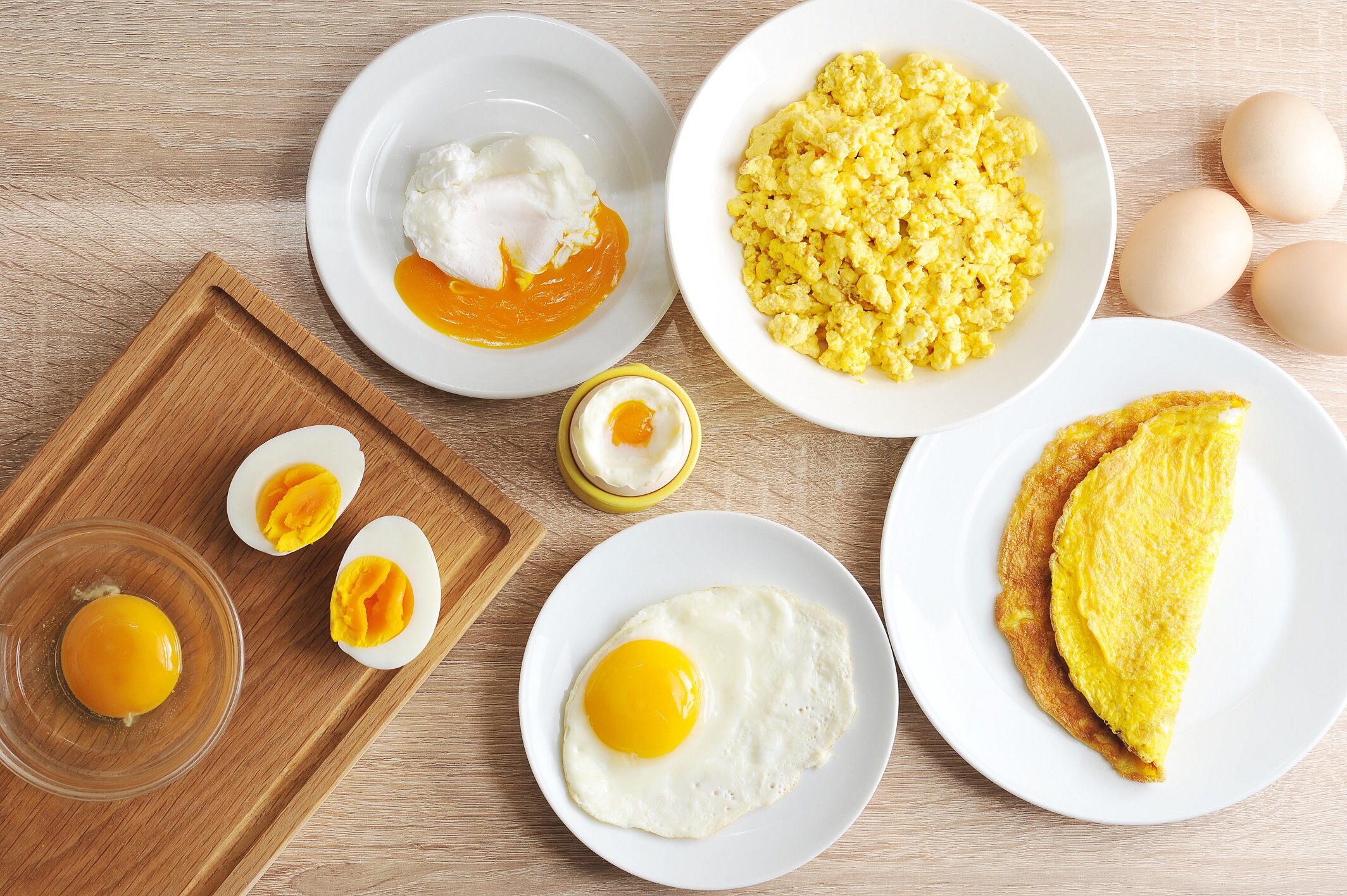
What is your favorite way to eat/prepare eggs?
Vote for your favorite way to prepare eggs!
- 45 replies
Featured by Bob


Your plant-based meat could soon have animal fat
As the plant-based meat market cools, some start-ups turn to a new ingredient: Actual meat
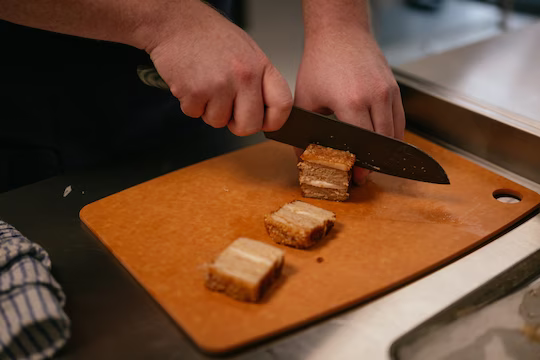
Josh Hatfield, new product development chef, cooks plant-based pork belly at Hoxton Farms Kitchen in London on Nov. 21. (Jose Sarmento Matos for The Washington Post)
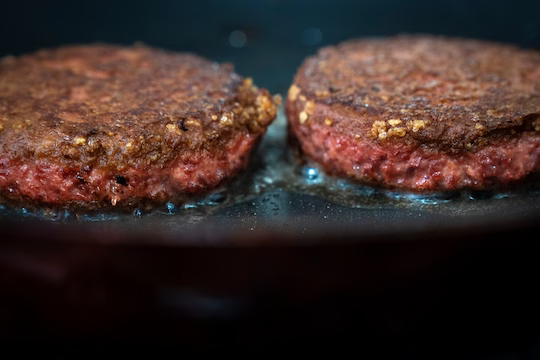
Plant-based meats — think the Impossible Burger or Quorn “chicken” nuggets — are generally filled with a long list of strange-sounding ingredients: pea protein, potato starch, coconut oil, mycoproteins and more. Those ingredients have turned off some consumers and sparked concerns about the highly processed nature of the average veggie burger or faux slice of bacon.
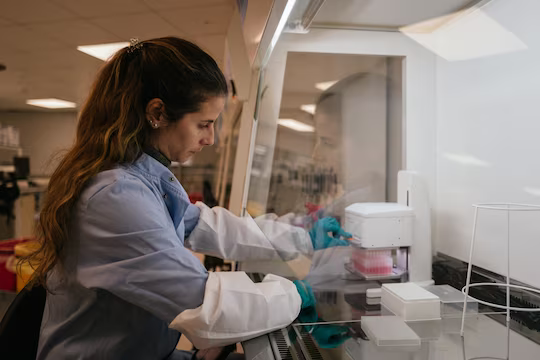
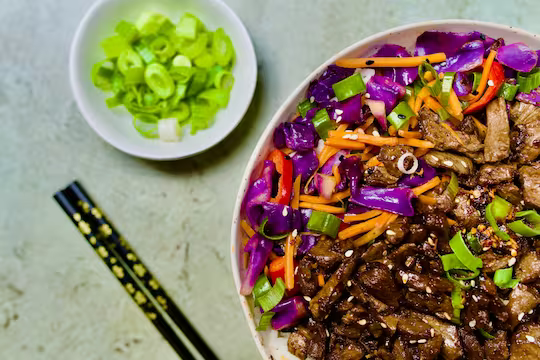
But now, a few start-ups are planning on adding one more component to the mix: animal fat. Some companies are growing fat in laboratories, hoping to combine it with wheat protein and spices to make an extra porky form of plant-based bacon. Others are pulling animal byproducts from traditional meat production and blending it with plant ingredients to create pieces of shredded steak.
The change could alter the identity of plant-based meats, which have been largely seen as an option for vegans and vegetarians. But proponents see that as a feature: a tasty way to propel plant-based meats away from the small proportion of consumers who don’t eat meat and into the mainstream.
“It’s fundamentally difficult to make plants taste like meat,” said Saba Fazeli, co-founder of the start-up Choppy, formerly known as Paul’s Table, which is incorporating fat into plant-based meat. “I would say it’s impossible.”
Why plant meats have struggled
The need for fat
Subscribe to Carnivore Talk on YouTube | Be our guest on the channel | Leave me a voicemail, yo!