Welcome to our Carnivore / Ketovore / Keto Online Community!
Welcome to Carnivore Talk! An online community of people who have discovered the benefits of an carnviore-centric ketogenic diet with the goal of losing weight, optimizing their health, and supporting and encouraging one another. We warmly welcome you! [Read More]
- Replies 8
- Views 1.3k
- Created
- Last Reply




Popular Days
Most Popular Posts
-
Looking this up now. Scott
-
From my own experience I can understand. Once you have been really sick and then there is relief from a for of treatment it is hard to 'change' in fear of what "can't get any worse" actually can get w
-
@Geezy I'm still in the 'who woulda thunk it?' phase. As said, the weight loss has been huge but just from changing the way I eat I have not gone to the medicine cabinet. Being a doubter by natur
Featured Replies
Featured Content
-
"World Carnivore Month" January Challenge!
Today is the first day of January and is also the first day of World Carnivore Month. To that end, let's challenge ourselves to eat a carnivore diet for the entire month of January. The type of carnivore diet and the level of strictness you choose to do is entirely up to you. Examples of carnivore diets include the following... 1) The Lion Diet. A person eating the Lion Diet only consumes the flesh of ruminant animals, water, and salt. 2) The BBBE Diet. BBBE is an acronym for Beef, Butter, Bacon, and Eggs. 3) The Carnivore Diet. This allows for the consumption of any and all animals and animal by-products, including dairy. In any of the above examples, the object of course is to not consume any plants as part of your diet. Of course, we're not going to micromanage hoe you prepare your food, so your use of seasonings is entirely your own personal choice. IF your circumstances don't allow you to go full on carnivore in January, then you can participate in this topic by challenge yourself to do better, above and beyond what you have been doing. For example, if you have still been eating grains, seed oils, refined sugar, or drinking alcohol, challenge yourself to avoid these items and just eat a clean, single ingredient whole foods diet such as clean keto, ketovore, or animal based. We encourage you to check in daily, and share what you have eaten, perhaps a weigh-in if you're willing, and enjoy in some small talk. Participants in this topic will be entered into a drawing for a prize at the end of the month.-
- 193 replies
 Featured by Guest
 -
-
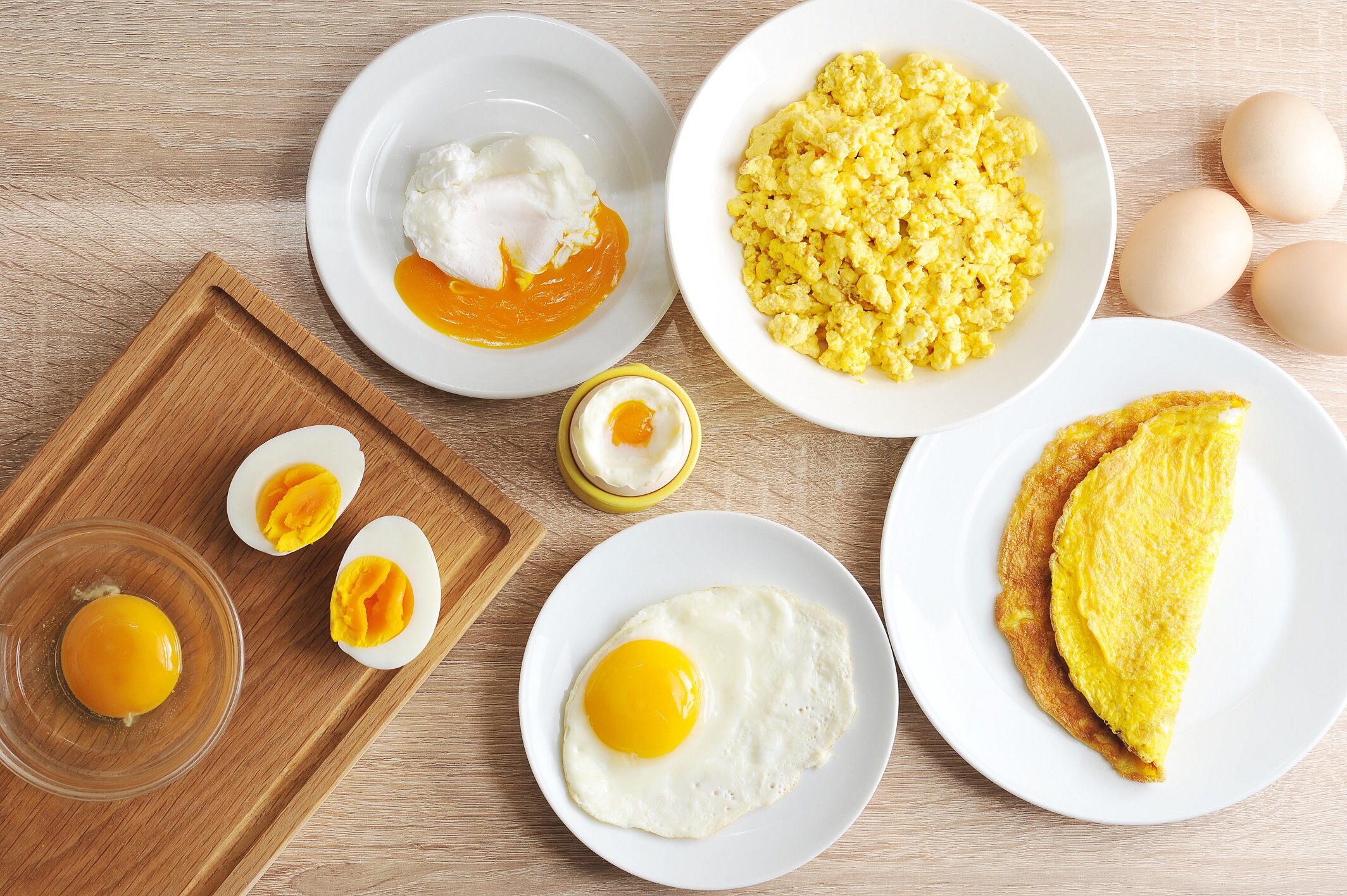
What is your favorite way to eat/prepare eggs?
Vote for your favorite way to prepare eggs!
- 45 replies
Featured by Bob


NMOSD is similar to Multiple Sclerosis but with the auto-immune response can be on the optic nerve. Basically, the immune system "thinks' it is attacking and removing something that does not belong, but the attack is on good/healthy tissue. The attack creates lesions on the myelin (the sheath that covers the nerves) and this attack opens the sheath and at times can expose the nerve. Both NMO and MS symptoms are all over the place and can make diagnosis really hard. It is more of a process of elimination approach to finding the diagnosis (and that sucks).
In the summer of 2018, I started with extreme burning sensations on my right thigh. Like if you were to pass a cutting torch across your skin. Then it moved to my left arm and my back. First diagnosis was Shingles without the blistering and rashes. The I started to have what felt like cramps behind my eyes. Then one day loss of motor skills in my left arm which sent me straight into 'stroke protocol'. Then finally on Labor Day morning I woke up and could not see. Everything was the same color as your monitor when you turn it off. Not jet black but just about.
By the time I got to the hospital most of the vision had returned. The left arm was sort of hanging around so back into stroke protocol again. Since my symptoms were hit and miss the doctors were sort of stumped. I was mostly scared but this once I was made enough to punch someone. I'm lying there, blurry eyed, left arm not working, my thigh on fire and (pardon the description) the only time I knew I was pissing or pooping was when it hit my ankles. And since the issues were coming and going and the doctor may or may not be present ...I had a doctor basically tell me, "I think you are here for pain pills, do you have a problem?". In both our best interests it was a good thing I was not able to stand up.
Luckily, I landed with my current Neurologist, and he ordered a couple test followed by a spinal tap. From there he got me on a 6-hour infusion two times per year. Other than a few minors I have been pretty much healthy since.
The carnivore diet has eased the inflammation and the associated pain, and I have not taken any pain medicine since mid-May. The weight loss is a lot like the bonus plan.
I have started reading where there are a number of NMOSD and MS patients who have found they no longer require their infusions/medications while on the carnivore diet. it is somewhat exciting and hopeful. It is not that bad of an experience, but the first one usually cost me around $3500 out of pocket but fortunately the second one is "on the house".
As far as the doctor who thought I was looking for pills. I photo'ed my medical record. At the time I was 49 years old. I had 7 prescriptions from the time I was 18-49. I wanted to draw a big middle finger, but my wife would not allow it.
And to add a funny, as I like to do that, imagine...in the shower, legs collapse, no movement in your left arm and you wind up laying on your good arm. You re yelling for your wife but she is on the other end of the house and can't hear you over the water. With all the negative potential while lying crumpled in the shower the only thing I could think of was "this f'ng hot water is going to run out soon".
Maybe it was the lesions on the brain or maybe I just think crazy shit. Don't know.
Excited to move forward with the benefits of the carnivore diet.
Scott