
Geezy
Community Moderator
-
Joined
-
Last visited
Everything posted by Geezy
-
Many people report improved clarity and cognitive function on carnivore as well as enhanced mood and reversal of depression. I can’t really say that I’ve experienced any of that but I have noticed a calming effect. In my past I’ve been a very volatile person and while age has settled me down some, carnivore seems to have taken me to a different level.
-
-
From Seed Oil Scout What stevia is doing to your hormones Brought to you by animal., starring Dr. Ken Berry, Dr. Eric Berg, and Dr. Anthony Chaffee Stevia is everywhere—from electrolyte powders to protein bars to toothpaste. It’s sold as a plant-based, zero-calorie sweetener, and for many people, it feels like a safe, natural alternative to sugar. But the research tells a more complicated story, especially when you look beyond short-term human trials. We’re breaking it down, and explaining why stevia doesn’t get the SOS stamp of approval. @reallytanman What the studies show Although stevia is generally considered safe by regulatory bodies, a growing body of evidence—particularly from animal and in vitro studies—raises questions about its long-term biological effects. A 2016 in vitro study found that steviol glycosides disrupted human progesterone receptor function and reduced sperm fertilization capacity (PubMed). A 2010 study in male rats reported reduced testosterone levels, decreased testicular weight, and structural changes in reproductive tissues following chronic exposure to stevia extract (PubMed). Additional studies observed decreased fertility and smaller litters in female rats after prolonged stevia intake. (PubMed, PubMed) While these outcomes haven’t been observed in short-term human trials, most clinical studies to date are limited in duration and often exclude reproductive endpoints altogether. The takeaway: Stevia appears to have pharmacologic activity. And repeated exposure—not just one-time use—is where the concern lies. Stevia as birth control Before it was a fixture in wellness products, stevia was studied for its effect on fertility. In the 1960s and ’70s, researchers in Paraguay and Brazil reported that female rats given daily doses of stevia extract over several weeks experienced a drop in fertility. Litter sizes shrank. Conception rates fell. When the extract was removed, normal fertility resumed—suggesting the effect was hormonal, not toxic (PubMed). These were early, well-documented findings. But they’ve rarely resurfaced in the decades since—at least not in ways most consumers would notice. @jessicagenetics What you’re eating isn’t the stevia plant The version used in most products is a purified compound—usually rebaudioside A—processed with solvents or resins. It’s typically blended with erythritol, monk fruit, or sucralose to mask bitterness. Why that matters: these ingredients are consumed together, often several times a day, across supplements, drinks, and snacks. A 2025 mouse study found that erythritol impaired memory and learning, possibly by disrupting synaptic plasticity. (Journal of Applied Physiology) Stevia was never fully approved by the FDA The FDA has never approved whole-leaf stevia or crude stevia extracts for use in food. Instead, it granted GRAS (generally recognized as safe) status to isolated compounds like rebaudioside A, based on short-term studies in healthy adults. Despite this narrow approval, stevia gained popularity because it was marketed as natural, plant-based, and calorie-free. Why we don’t approve stevia at SOS Brands that partner with Seed Oil Scout can earn the Seed Oil Safe stamp to use on their packaging and be listed in our marketplace. But stevia-containing products don’t qualify. This decision comes from our guiding philosophy: we apply scrutiny to ingredients with questionable safety data, regulatory ambiguity, or a track record of underreported risks—especially when they’re used daily under the assumption of safety. We built the SOS Grocery Scanner around this principle. Stevia doesn’t meet our standard. Here’s why: Hormonal and reproductive effects have been documented in multiple animal studies Long-term safety data in humans is limited It’s rarely consumed alone and typically paired with other additives like erythritol or sucralose. It’s marketed as natural, but chemically refined and far from a whole food This isn’t about trends—it’s about applying consistent standards to ingredients that haven’t earned our confidence. Try the SOS Grocery Scanner. It flags more than just seed oils. Bottomline Stevia demonstrates biological effects in animal models. Long-term safety in humans has not been established. The version used in products is highly processed. It’s not Seed-Oil Safe. 🫡 See the #1 Documentary in America Now! The groundbreaking documentary animal. reveals how politics, profit, and modern culture have distorted humanity’s natural relationship with meat, leaving us sicker than ever. Featuring nutrition experts like Dr. Ken Berry, Dr. Shawn Baker, Dr. Anthony Chaffee, Dr. Eric Berg, Judy Cho, Eddie Abbew, and more, animal. uncovers the truth behind our diets - and how to reclaim our health. You are what you eat. And you've been eating a lie.
-
We had a bunch of family over yesterday for my MIL’s viewing. I smoked 15 one pound ribeyes. 4 sirloin steaks and 3 pounds worth of hamburgers on my new rebuilt smoker. They all fit on that monster. Today after the funeral we hosted a luncheon over a local bbq joint that we have always enjoyed. It’s the only place my wife will go for bbq outside of our own back yard. I ate half a rack of spareribs. Sent from my iPhone using Tapatalk
-
Looking forward to watching it when I get a chance. Sent from my iPhone using Tapatalk
-
Well that’s just so ignorant on several levels. There is no way on this green earth that being carnivore for only 11 months could possibly cause a heart attack. Absolute bovine excrement. It takes a lifetime of bad eating and poor health to set up the circumstances within the body to cause a heart attack. Some people can be more susceptible to heart disease due to their dna but even then it only means that they will probably contract CVD at an earlier age. There has never, in the history of mankind, ever been a single study that proves that eating what man has always eaten from nearly the beginning of time causes CVD. Your heart attack was not caused by eating carnivore. While it could be a dna deficiency it was most likely due to the diet you have eaten all of the years preceding carnivore. If you want to lower your cholesterol it’s your business and I’ll support you in your efforts but there is no reason to do it. Every study where they tried to prove that cholesterol caused CVD ended up showing just the opposite. In fact they all showed that those with lower cholesterol experienced more all cause mortality than those with higher cholesterol. There is no correlation between high cholesterol and heart attacks. I’m not just talking out my rear here, I practice what I preach. I’ve been carnivore for over two years now. In that time I have reversed my heart issues and my cardiologist has taken me off all of my heart medications and only wants me to come in once a year for a check up now. He actually loves what I’m doing with my diet and my health.
-
-
No doubt about it. I’ve got a relative down here from Colorado for my MIL’s funeral and he was checking out my cattle. Larry is an old cattleman and has owned his own feed lot until he retired. He had nothing but compliments on my cows and the choices I was making. Old men I’ll listen to.
-
Old Men When it comes to fixing fence, riding bulls and drinking beer Give me some young buckaroo, who's kind of wet behind the ears 'Cause I'll take fire in the belly, and if he's a little green Well sometimes piss and vinegar is exactly what you need But I want old men making my whiskey I want old men singing my blues And I want old men teaching my horses 'Cause there's just some things young men can't do Like the old boys do I want some scrappy kid To have my back, in the middle of a bar room fight And a little youth to kind of help Sometimes, with the girls on Friday night When I was but a young man, I was wild and full of fire Acid trips and rocker chicks, well I'm lucky I'm alive And I want old men making my whiskey Well I want old men singing my blues And I want old men teaching my horses There're just some things young men can't do Like the old boys do Old men making my whiskey Old men singing me blues Old men educating my horses 'Cause there's just some things young men can't do Like them old boys do Corb Lund
-
Is that Heather Jennings?
-
-
-
True. If you want to know how to get something done you ask the old timer. Them youngsters only have ideas.
-
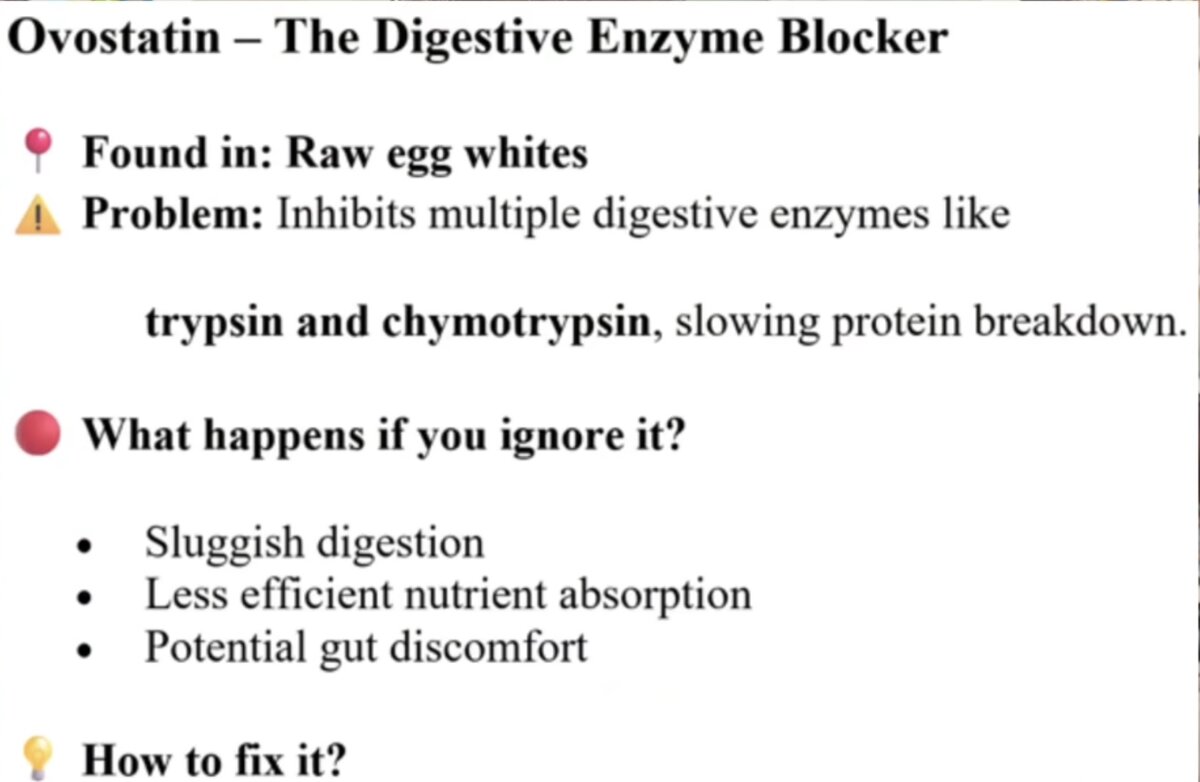
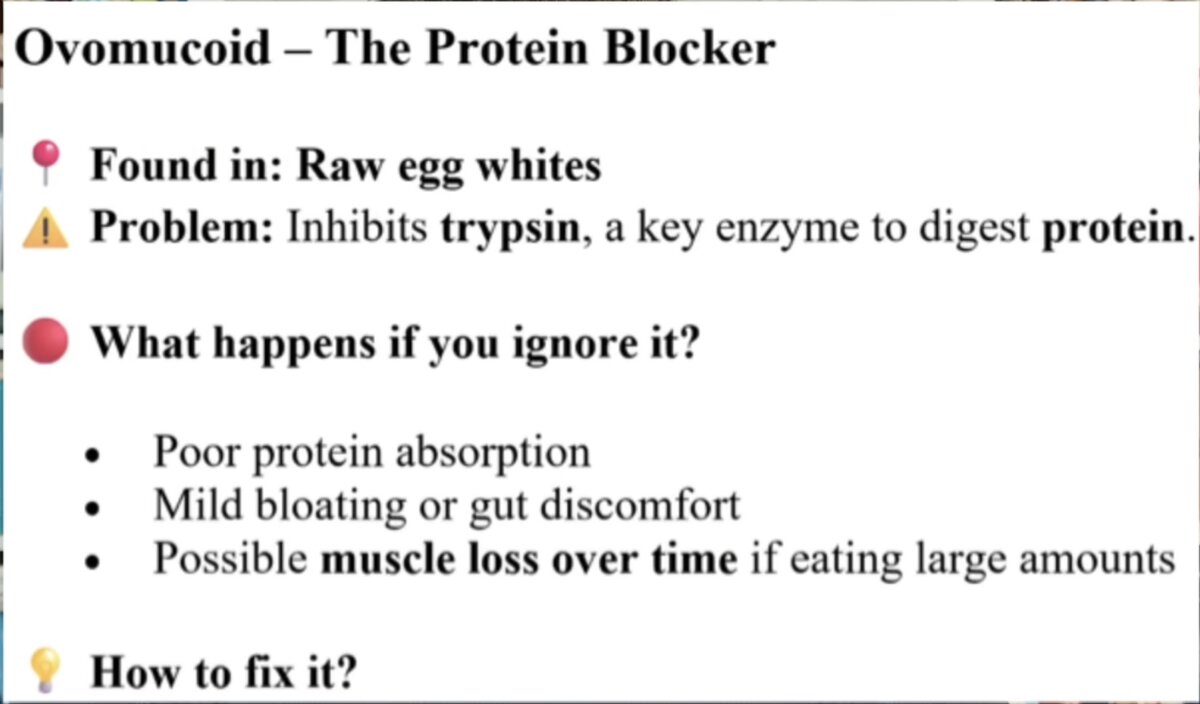
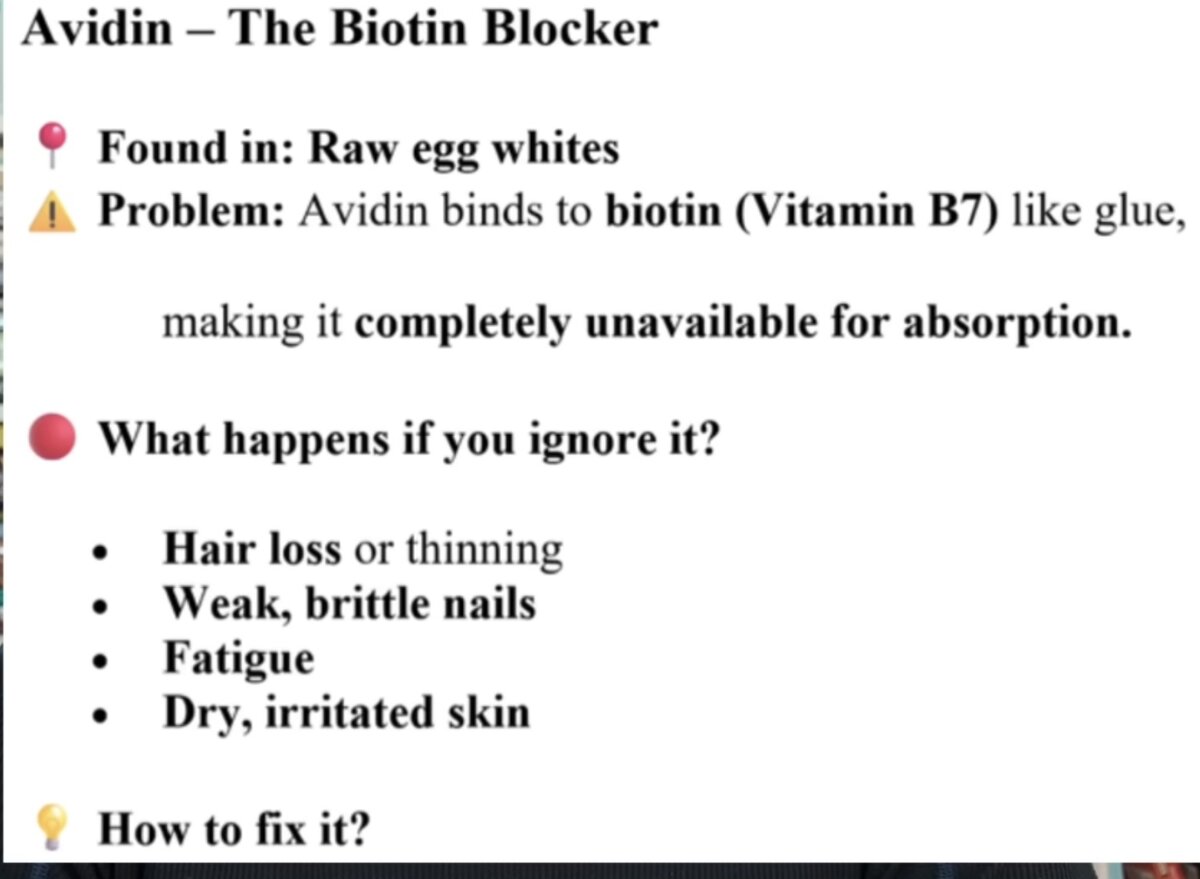
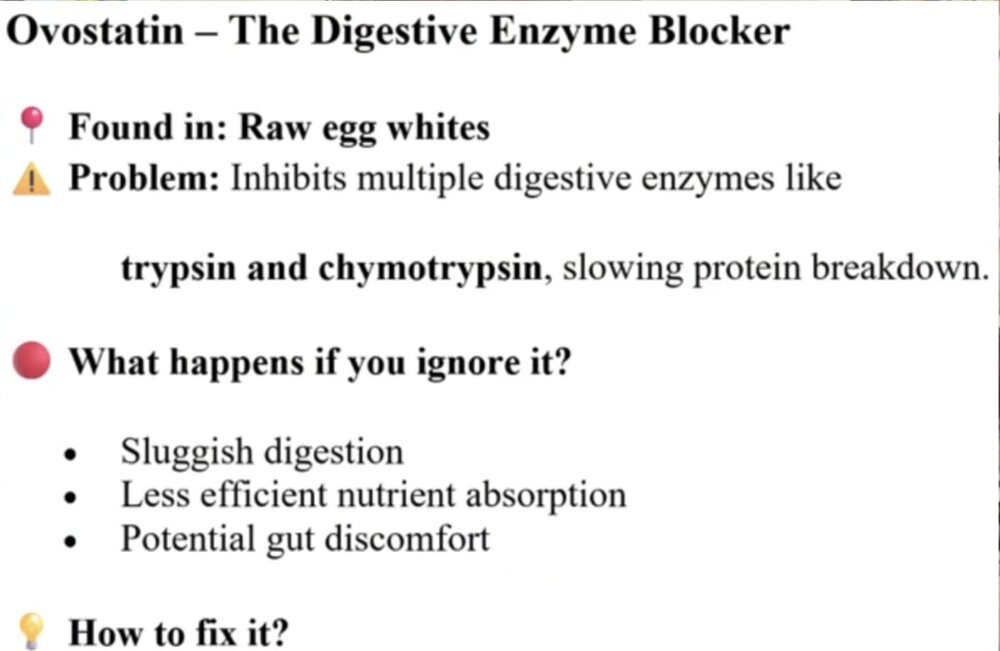
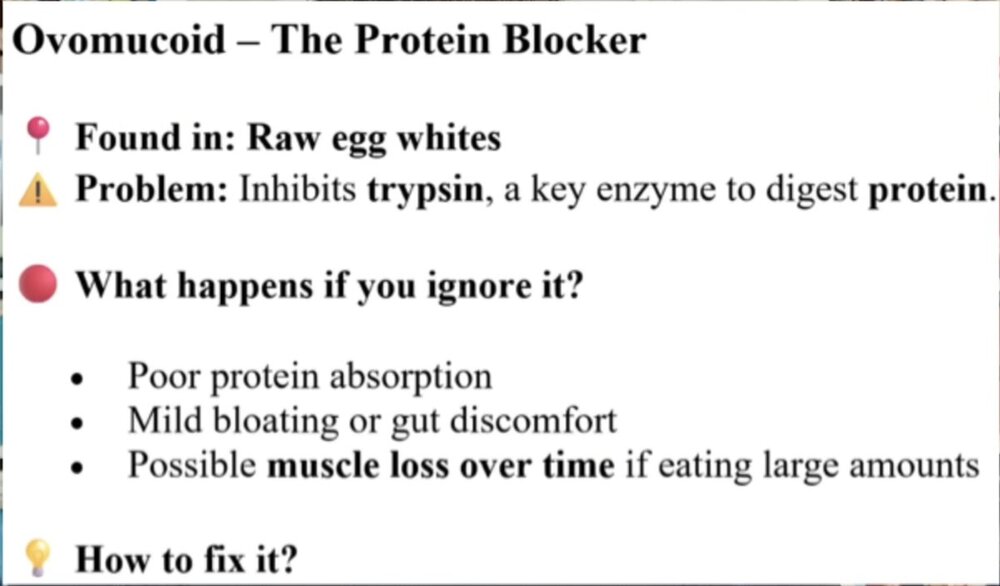
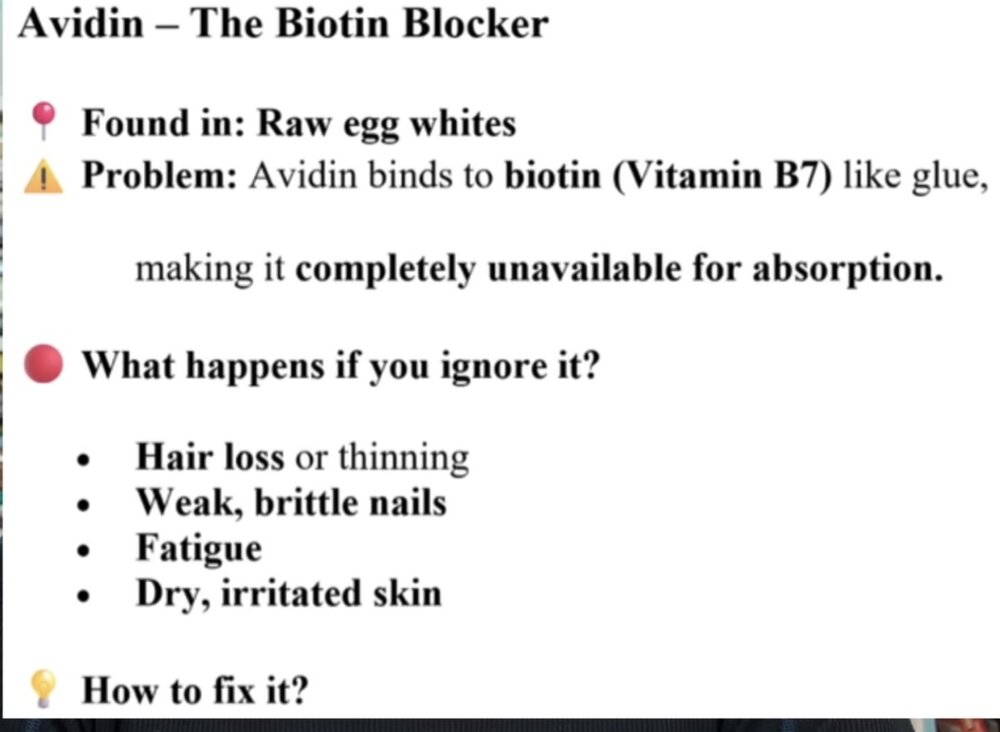
I guess you are talking about Dr. Berry? He listed the only three anti nutrients found in carnivore and what they do. After watching the video I remembered it from a few months ago. I guess I forgot about it because it had no relevance to me since I don’t eat raw eggs.
-
Don’t get me started on engineers. I had to work with them my whole career and I could have strangled at least half of them.
-
-
-
Interesting. Haven’t heard that before. Can you quote a source?
-
Yeah, you might say I’m a pet lover. Sent from my iPhone using Tapatalk
-
Bob is correct, it came from ChatGPT. It’s totally shareable.
-
“Where did you gain your background in nutrition?” Asked the fat lady to the man in impeccable health. Sent from my iPhone using Tapatalk
-
Can’t add much to the great advice already given other than to say welcome to Carnivore Talk LT. community is important so get involved. Sent from my iPhone using Tapatalk
-
There is a lot of truth in that. It really boils down to your Why. How bad do you want to do something. Those of us who are desperate to heal and live have more motivation. I remember that when I was in basic training and AIT (Advanced Infantry Training) we had to go through these “Confidence Courses”. These were designed to put obstacles in our path that we had to overcome. I was amazed that I was able to get through the course. Most over the obstacles looked impossible or dangerous but we were taught to persevere with determination to overcome them. I learned that nothing is impossible if you are willing to give it all you’ve got. Young people today come from what I like to call the microwave generation. People today expect to get their food hot in a minute from a microwave but in my day you either waited 45 minutes to an hour for your leftovers to heat up in the oven or you just ate it cold. Today we can get what we mail ordered the very next day but in my day it would be 6-8 weeks if you ordered something. Today if you don’t have enough money to buy something you just whip out that credit card and you can take the purchase home with you but in my day you put it on law-away and spent the next six weeks paying it off before you could take possession. We have instant email today but I’m my day you sent a letter it would be 3- 8 weeks before it got there. Hence the term “snail-mail”. Yep, everyone wants instant gratification these days.
-
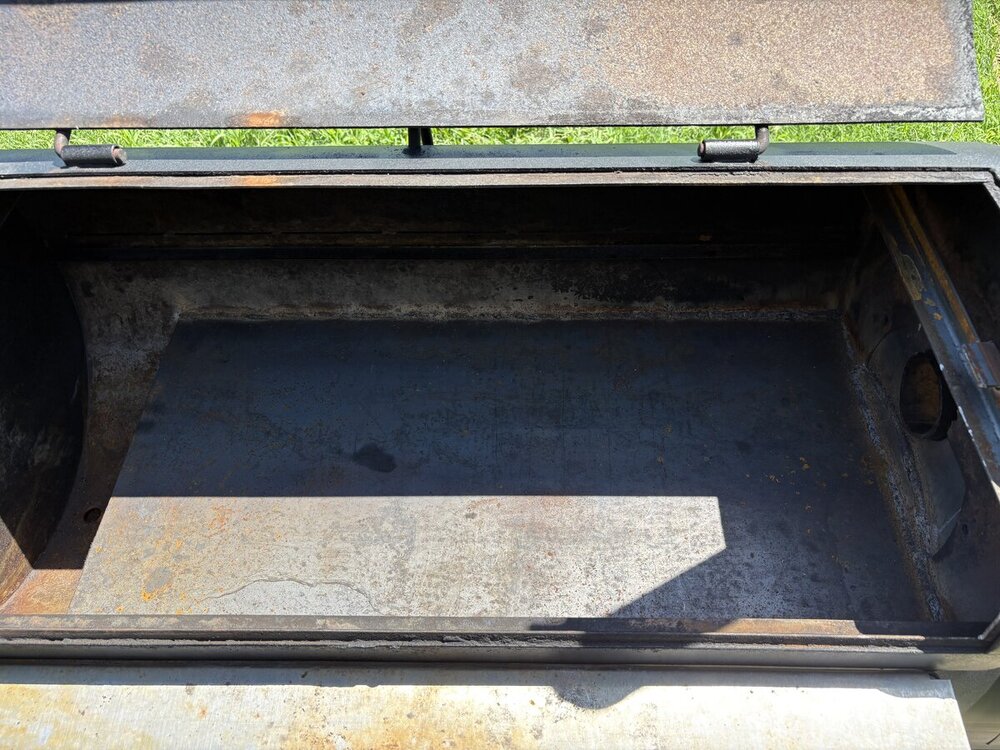
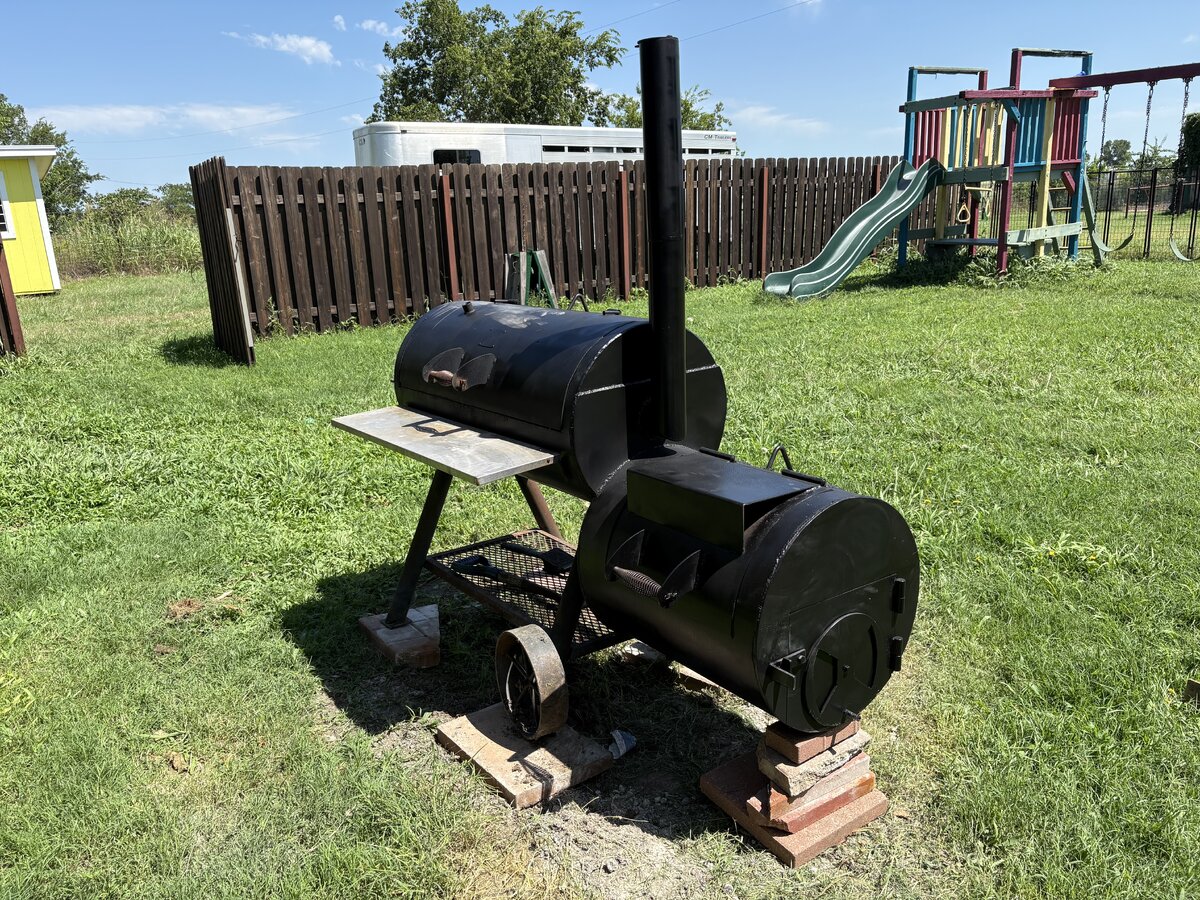
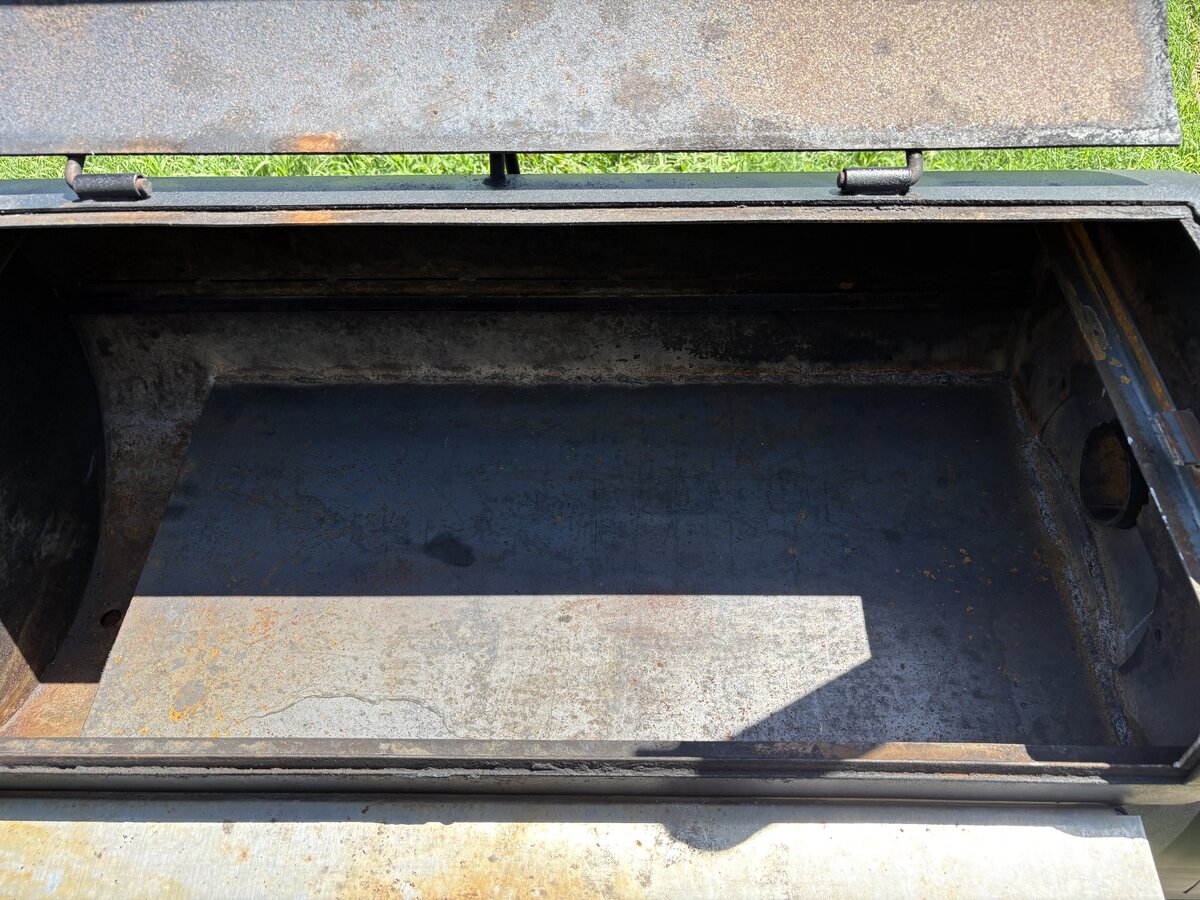
Getting the numbers right is important. I found a website that had a calculator to help me get the optimal size / length of the stack right for the size of my pit as well as the opening from firebox to the pit and the opening for the smoke and heat coming up from the reverse flow plate. The flow was beautiful and the temps were nearly identical throughout the pit.
-
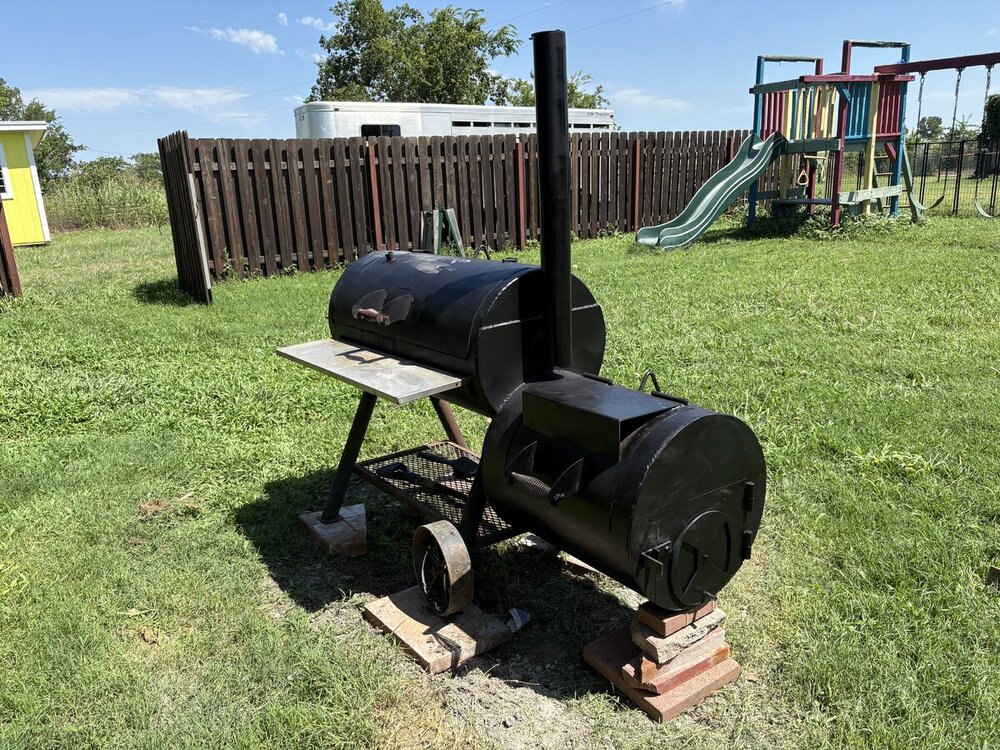
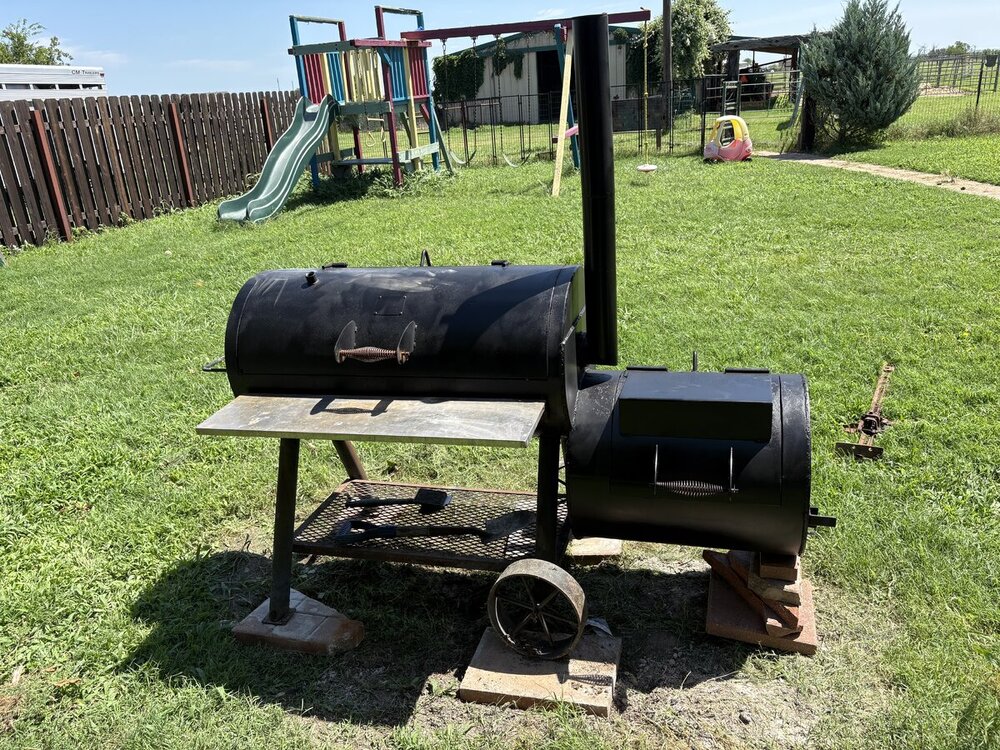
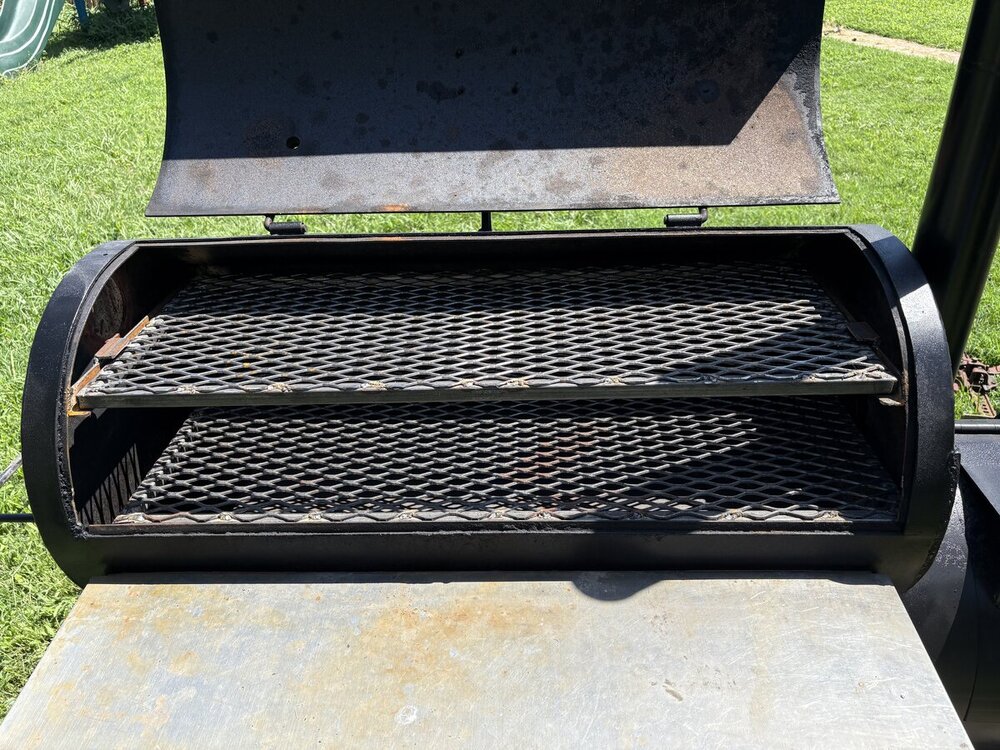
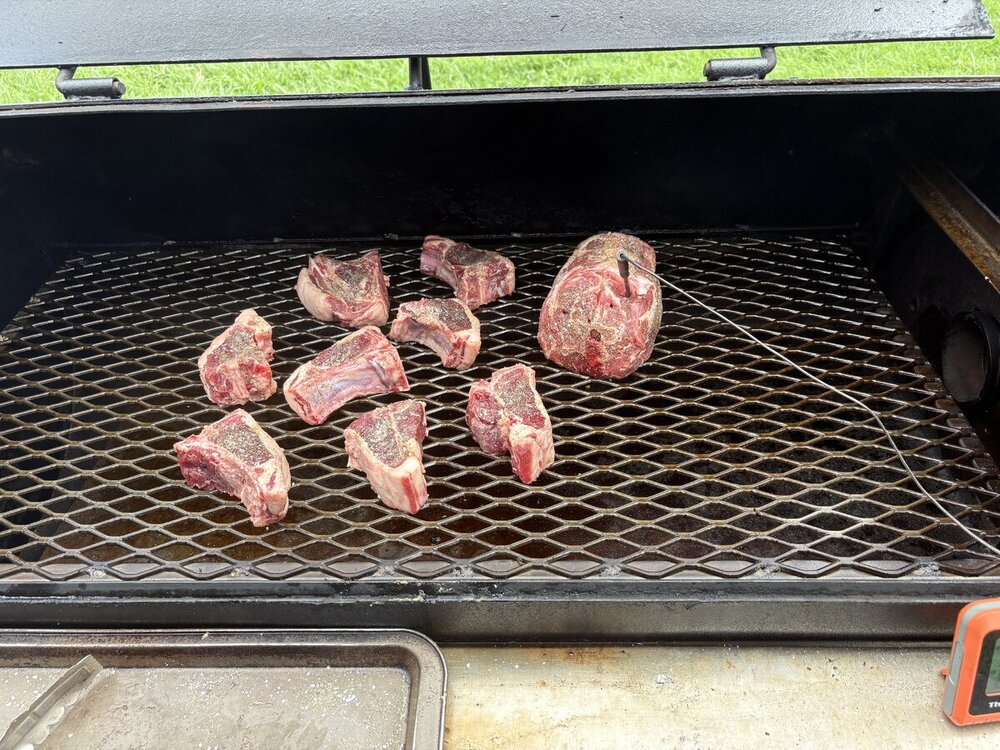
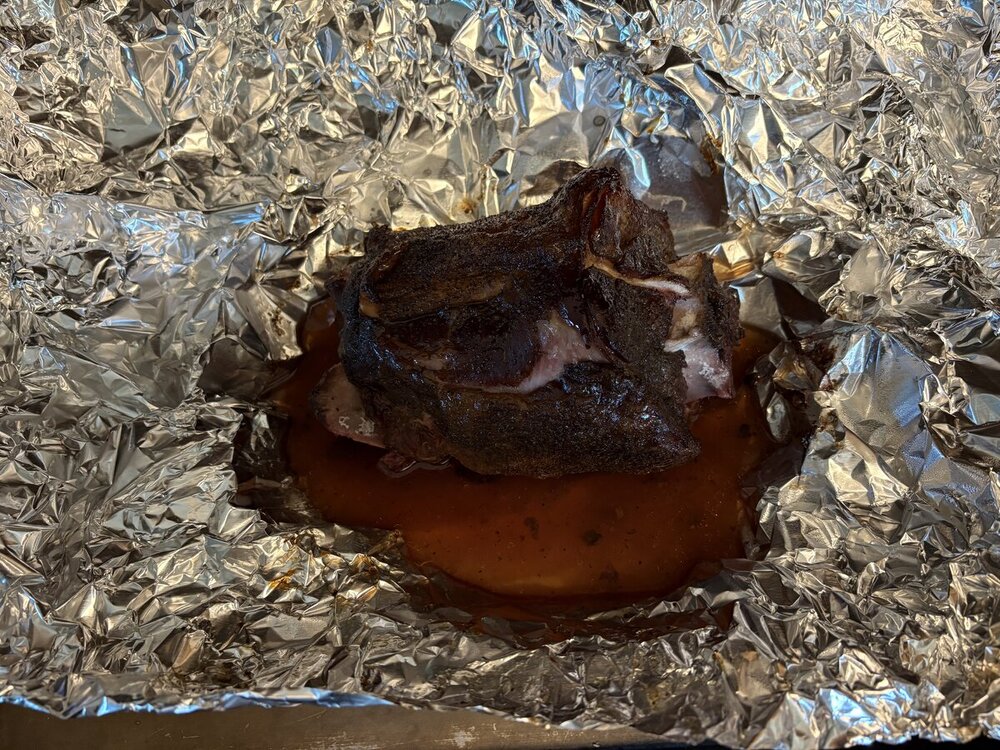
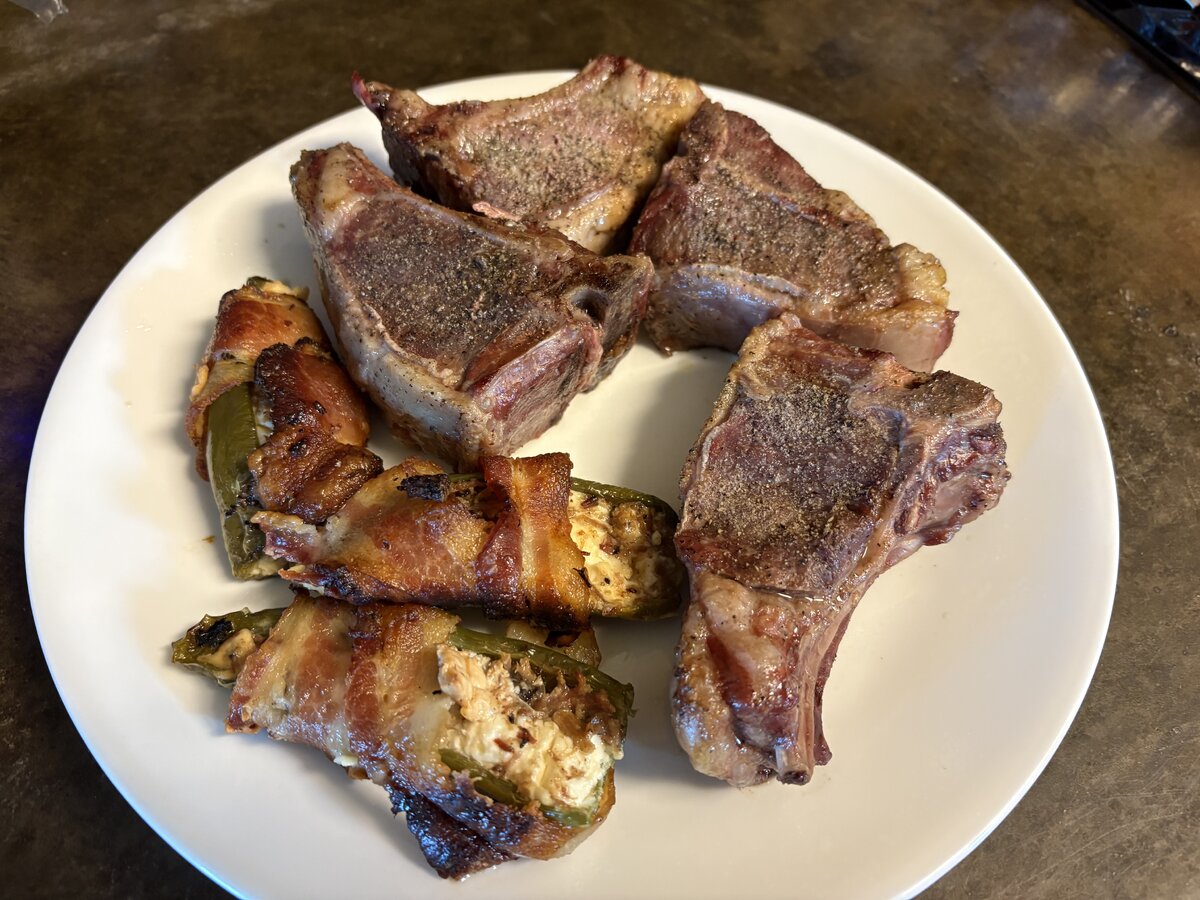
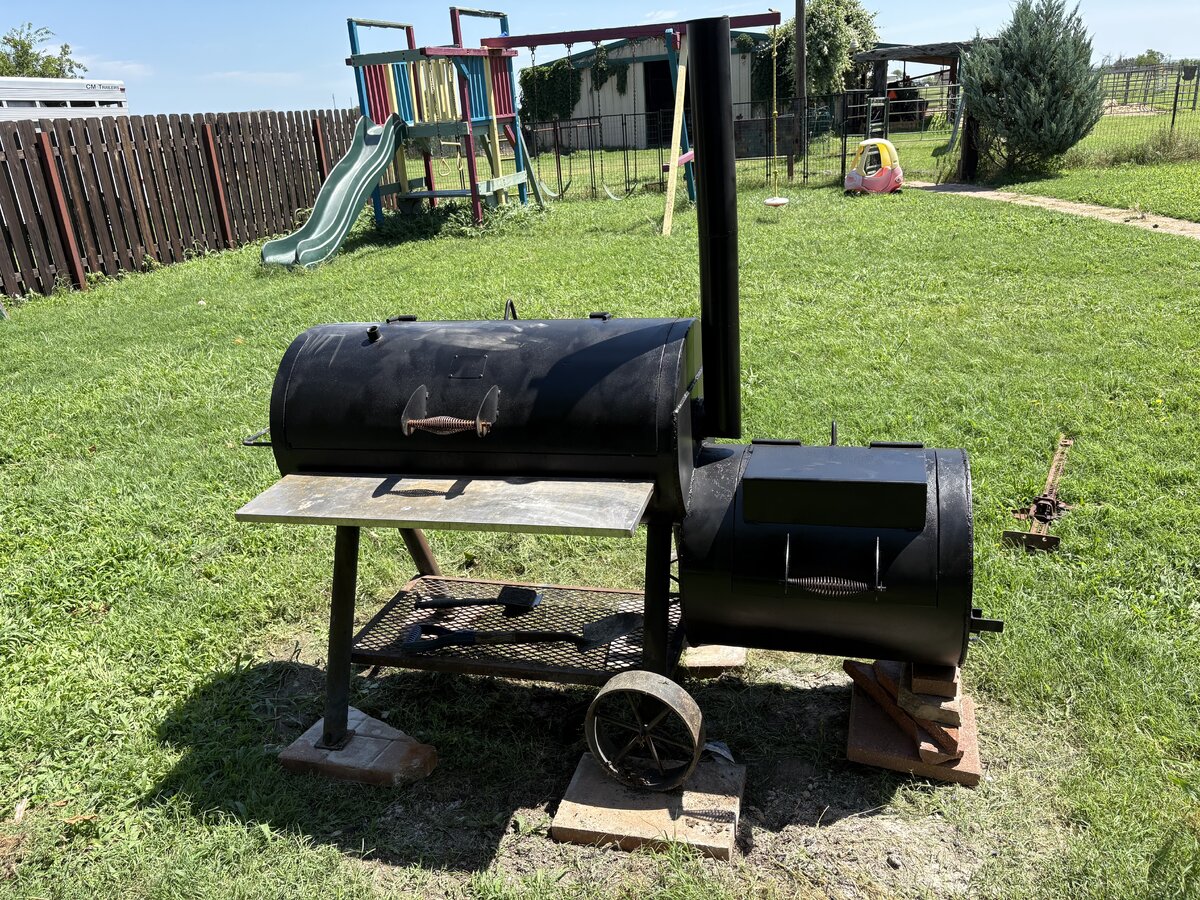
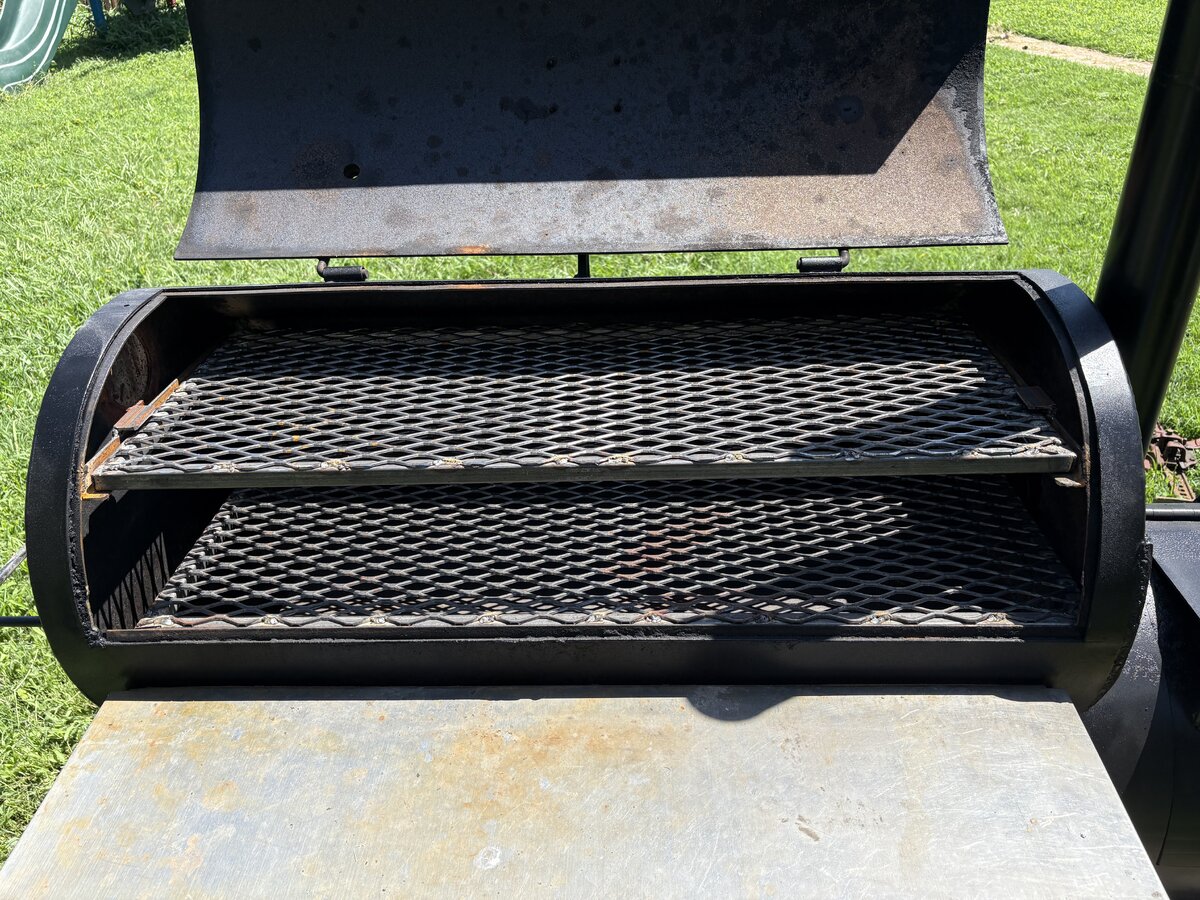
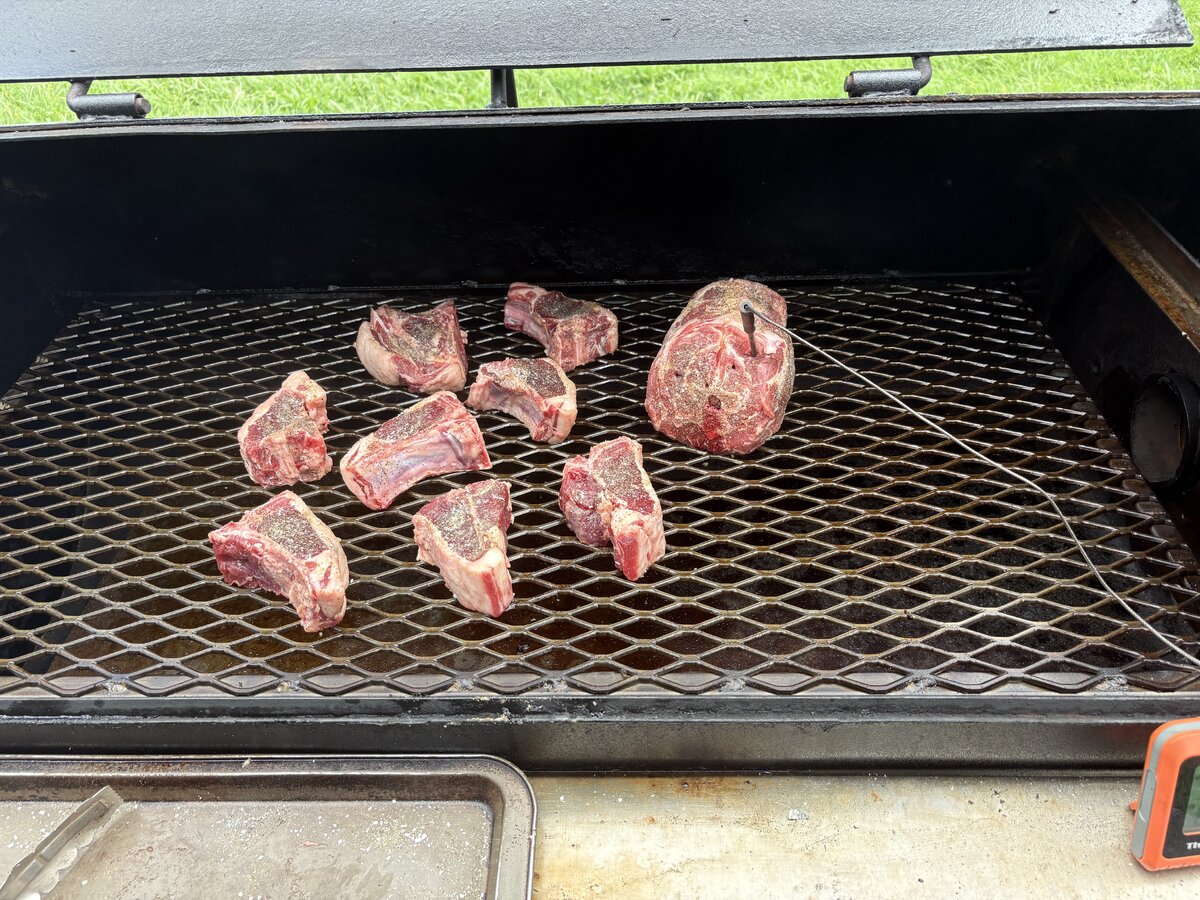
I finished rebuilding my smoker a few days ago. It was getting harder and harder to regulate the fire and heat in the smoker because the firebox was burned out so it was time to either build a new firebox or buy a new smoker. Since I like to build and create things (and it’s much cheaper) I decided to make a new firebox and while I was at it, remodel the smoker into something I’ve always wanted. So I not only built a new firebox but I turned it into a reverse flow instead of a direct flow smoker. Since I had to relocate the smoke stack I went ahead and lowered it down to grate level to force the heat and smoke down to the meat. I built new racks and added a top rack. The plate that makes this a reverse flow. This design allows me to use 100% of my grates instead of just 2/3’s of it. After I got the initial “burn in” to season the whole pit I did my first smoke on it yesterday. Lamb chops and a lamb roast. They came out great. I’m very pleased with how this came out. This thing really puts out the smoke better than it ever did. Can’t wait to do a brisket and some ribs on it. This thing is a beast now. The new firebox will never burn out in my lifetime. This thing will end up being passed on to one of my kids.