Welcome to our Carnivore / Ketovore / Keto Online Community!
Welcome to Carnivore Talk! An online community of people who have discovered the benefits of an carnviore-centric ketogenic diet with the goal of losing weight, optimizing their health, and supporting and encouraging one another. We warmly welcome you! [Read More]
- Replies 13
- Views 1.4k
- Created
- Last Reply
Top Posters In This Topic
-
Orweller 6 posts
-
Carburetor 3 posts
-
Geezy 2 posts
-
Scott F. 1 post



Popular Days
Most Popular Posts
-
Lol. They are? "They calculated, approximately, a single day of increase in life expectancy for each year of taking a statin. Slightly more in secondary prevention, slightly less in primary (peop
-
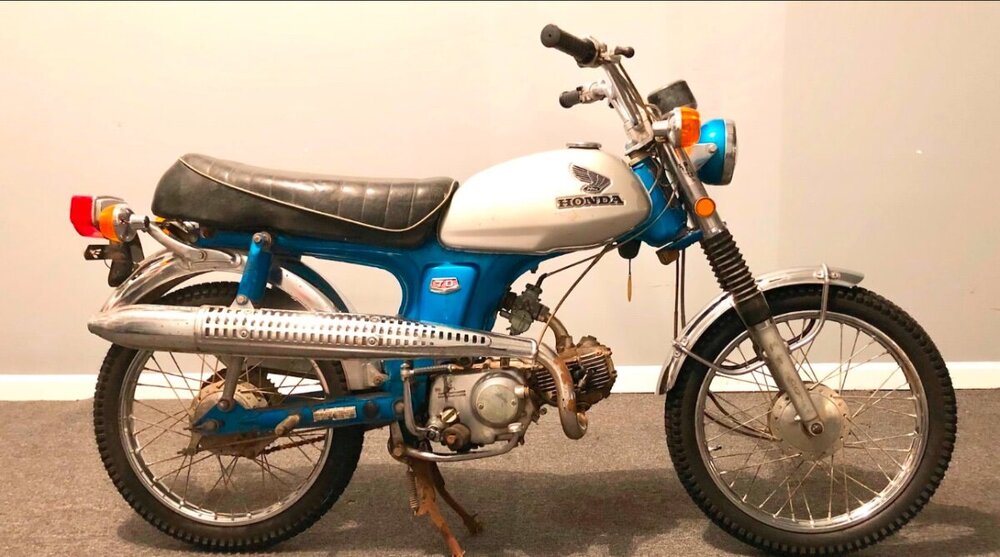
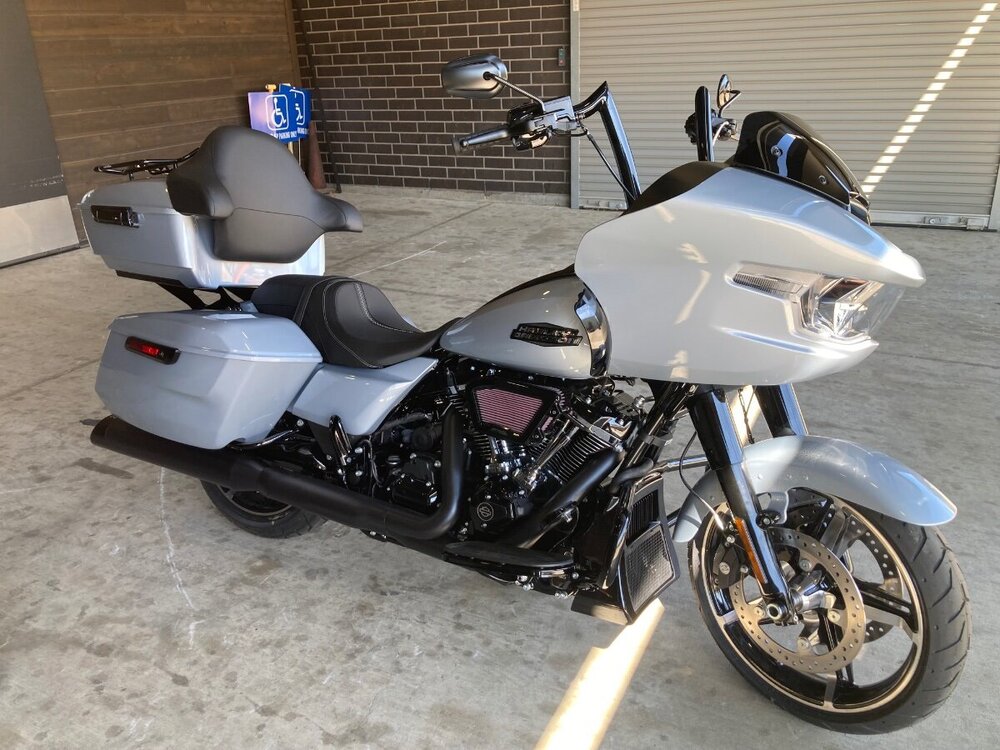
Welcome to Carnivore Talk Carburetor. I like the handle. Mixing fuel and air in the right mixture for optimal performance. 👍 Nice ride brother. I’m more of a cruiser/bagger type but I like the
-
I loved that thing with all my heart. Until a parked car decided to swing their door open without looking, and I briefly learned how to fly. It was all over when I hit the ground. Motor cycles and my

Posted Images
Featured Replies
Featured Content
-
"World Carnivore Month" January Challenge!
Today is the first day of January and is also the first day of World Carnivore Month. To that end, let's challenge ourselves to eat a carnivore diet for the entire month of January. The type of carnivore diet and the level of strictness you choose to do is entirely up to you. Examples of carnivore diets include the following... 1) The Lion Diet. A person eating the Lion Diet only consumes the flesh of ruminant animals, water, and salt. 2) The BBBE Diet. BBBE is an acronym for Beef, Butter, Bacon, and Eggs. 3) The Carnivore Diet. This allows for the consumption of any and all animals and animal by-products, including dairy. In any of the above examples, the object of course is to not consume any plants as part of your diet. Of course, we're not going to micromanage hoe you prepare your food, so your use of seasonings is entirely your own personal choice. IF your circumstances don't allow you to go full on carnivore in January, then you can participate in this topic by challenge yourself to do better, above and beyond what you have been doing. For example, if you have still been eating grains, seed oils, refined sugar, or drinking alcohol, challenge yourself to avoid these items and just eat a clean, single ingredient whole foods diet such as clean keto, ketovore, or animal based. We encourage you to check in daily, and share what you have eaten, perhaps a weigh-in if you're willing, and enjoy in some small talk. Participants in this topic will be entered into a drawing for a prize at the end of the month.-
- 193 replies
 Featured by Guest
 -
-
What is your favorite way to eat/prepare eggs?
Vote for your favorite way to prepare eggs!
- 45 replies
Featured by Bob



Hello everyone!
I'm a 61 years old culinarist keto veteran from Finland, first started low carb in 2004. On and off keto ever since... except 2016 I was diagnosed with many heart related problems,got a stent,too.
So :
Even though I DEFINITELY knew better, I fell in all the scary fat talk trap from docs and ended up eating low fat. "What if I destroyed my heart with fat after all...?" And so it happened that I gained 30 kilos in a few years eating low fat. My condition got worse every year.
Now I figured I don't want diabetes in this coctail so I'm back to keto. I don't want to be fat and weak. This is going great,as always. I feel good. Much less BP meds needed already.
I also quit Rosuvastatin because I noticed my legs are going... and Rosu definitely slowed down my metabolism. I was not sweating even in Sauna anymore, now I do.
My doctor is going to hate me. He said about Rosu "this pill is keeping you alive." Maybe but also fat,sick and weak. I want my legs completely back,they are better already.
I hope all this medical talk did not scare you. I'm doing fine and just bought another Kawasaki ZX-12R. Now I have green and red for different moods.
I know I don't look "fat" in this bike pic from last summer but being 6'3", I weigh 110 kg, waist 115 cm. Suit size #62. I used to be 85 kg, 90 cm waist and #56. And I am going back there no matter what my LDL says.
Now in retrospect,it may very well be that my earlier keto years made my 2016 attack as mild as it was. Had I been obese, who knows...
Edited by Carburetor