Welcome to our Carnivore / Ketovore / Keto Online Community!
Welcome to Carnivore Talk! An online community of people who have discovered the benefits of an carnviore-centric ketogenic diet with the goal of losing weight, optimizing their health, and supporting and encouraging one another. We warmly welcome you! [Read More]
New research is bad news for vegans - even if you eat plant-based protein
- Replies 6
- Views 1.2k
- Created
- Last Reply
Top Posters In This Topic
-
Geezy 2 posts
-
Bob 1 post
-
Scott F. 1 post
-
ketomonster 1 post




Popular Days
Most Popular Posts
-
I was watching a video on what a vegan "athlete" eats in a day. the amount of crap could fill a small grocery store.
-
I was thinking the same. This forum might be as 'mainstream' as it gets. Scott
-
They needed a study for this? 😄
Posted Images

Featured Replies
Similar Content

Featured Content
-
"World Carnivore Month" January Challenge!
Today is the first day of January and is also the first day of World Carnivore Month. To that end, let's challenge ourselves to eat a carnivore diet for the entire month of January. The type of carnivore diet and the level of strictness you choose to do is entirely up to you. Examples of carnivore diets include the following... 1) The Lion Diet. A person eating the Lion Diet only consumes the flesh of ruminant animals, water, and salt. 2) The BBBE Diet. BBBE is an acronym for Beef, Butter, Bacon, and Eggs. 3) The Carnivore Diet. This allows for the consumption of any and all animals and animal by-products, including dairy. In any of the above examples, the object of course is to not consume any plants as part of your diet. Of course, we're not going to micromanage hoe you prepare your food, so your use of seasonings is entirely your own personal choice. IF your circumstances don't allow you to go full on carnivore in January, then you can participate in this topic by challenge yourself to do better, above and beyond what you have been doing. For example, if you have still been eating grains, seed oils, refined sugar, or drinking alcohol, challenge yourself to avoid these items and just eat a clean, single ingredient whole foods diet such as clean keto, ketovore, or animal based. We encourage you to check in daily, and share what you have eaten, perhaps a weigh-in if you're willing, and enjoy in some small talk. Participants in this topic will be entered into a drawing for a prize at the end of the month.-
- 193 replies
 Featured by Guest
 -
-
What is your favorite way to eat/prepare eggs?
Vote for your favorite way to prepare eggs!
- 45 replies
Featured by Bob




New research is bad news for vegans — even if you eat plant-based protein
Story by McKenzie Beard
Hold the tofu.
New research suggests that vegans may be more likely to suffer from nutritional deficiencies than their meat-eating counterparts.
Worse still, scientists found that even vegans who hit their daily protein goals with plant-based sources often fall short on two essential amino acids, putting their health at risk.
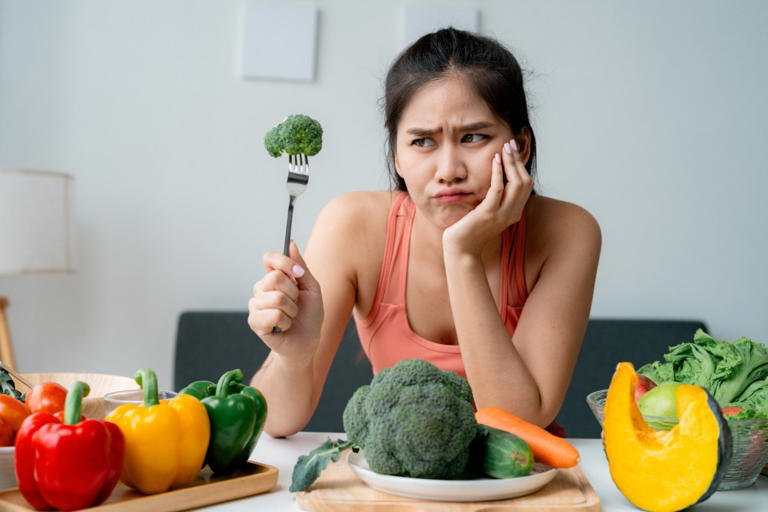
Plant-based diets are packed with produce, but some key nutrients may be missing. PaeGAG – stock.adobe.com
In the US, an estimated 1% to 5% of the population follows a vegan diet, which eliminates all animal products, including meat, dairy and eggs.
Over the years, researchers have found that following a plant-based diet can reduce the risk of heart disease, type 2 diabetes and some cancers, as well as help with weight management.
In fact, one study found that eating a vegan diet can improve your health in just four weeks.
But meat-eaters have long argued that animal products provide essential nutrients — particularly proteins, vitamins and minerals — that are tough to get in sufficient quantities from a plant-based diet.
A new six-month study out of Australia might just support that claim.
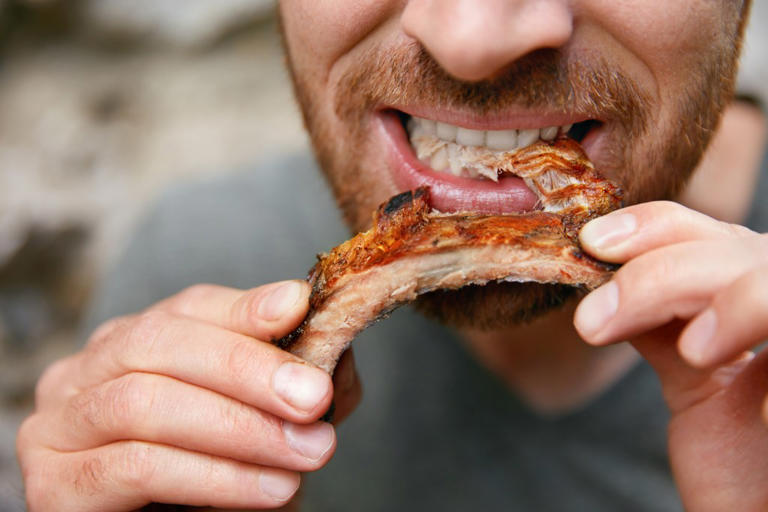
Meat is a rich source of protein and also provides essential nutrients such as iron, zinc and B vitamins. puhhha – stock.adobe.com
Researchers tracked the diets of 240 adults, aged 30 to 75, ranging from strict vegans and dairy-eating vegetarians to good old-fashioned meat lovers.
As expected, the plant-based group consumed far more vegetables, fruits, legumes, and nuts compared to their meat-eating counterparts, while also being more likely to avoid sugary drinks and junk food.
Vegans and lacto-vegetarians also had higher intakes of fiber, folate, magnesium, vitamin E, iron and omega-6 fatty acids compared to meat eaters.
However, the same groups were also deficient in several essential nutrients.
Compared to meat-eaters, vegans and lacto-vegetarians consumed “significantly less” protein-rich foods. They also had lower levels of vitamin B12, iodine, niacin, riboflavin and omega-3 fatty acids.
“[Plant-based diets], while higher in beneficial nutrients and wholefood groups than regular meat-eaters, may lead to nutritional inadequacies if not planned appropriately,” the study authors concluded.
Researchers say plant-based eaters need to be extra mindful about getting all their essential nutrients. EdNurg – stock.adobe.com
Think you’re getting enough protein on a plant-based diet? Don’t get too comfortable just yet.
Researchers in New Zealand analyzed the diets of nearly 200 long-term vegan Kiwis and found that about three-fourths of them met the daily recommended protein intake from plant-based foods like tofu, lentils, legumes and meat alternatives.
But here’s the twist: once digestion was factored in, only about half of the participants were getting enough of two essential amino acids — the building blocks of protein — called lysine and leucine.
Leucine is key for making protein and growth hormones, and it plays a vital role in muscle growth and repair, wound healing and blood sugar regulation. Lysine, on the other hand, is crucial for hormone production, energy, and calcium and immune function.
The problem for vegans, researchers explained, is that only a small fraction of the already low levels of these amino acids in plant foods is being absorbed by the body, while the rest is simply passed out.
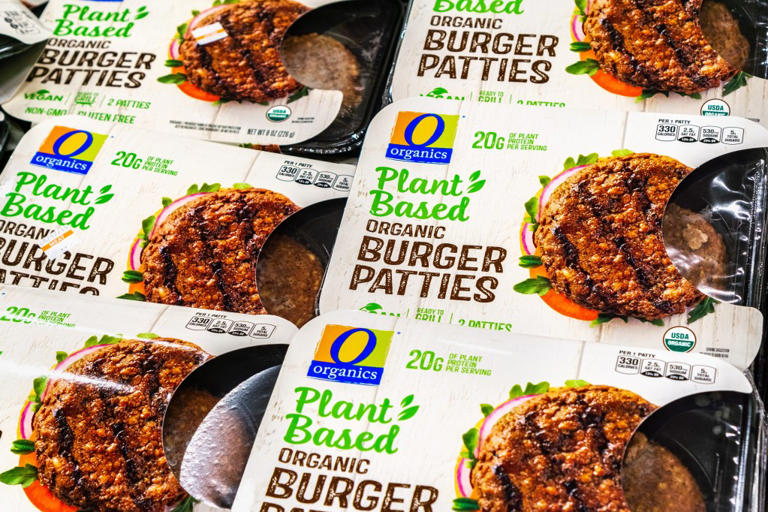
Meat alternatives pack protein, but not all of their amino acids are absorbed by the body. Sundry Photography – stock.adobe.com
“Achieving high protein quality on a vegan diet requires more than just consuming enough protein,” the study authors wrote. “It also depends on the right balance and variety of plant foods to supply all the amino acids in the quantities that our body needs.”
Prolonged deficiencies in lysine and leucine can disrupt protein balance, hinder muscle maintenance and affect other vital functions, the researchers warned. These risks could be even greater for vulnerable groups, like elderly vegans.
The researchers are calling for further investigation into how vegans can boost their intake of leucine and lysine in a nutritionally balanced way. In the study, legumes and their seeds were found to be the top contributors to overall protein and lysine intake.
However, some experts caution that the findings from the New Zealand study should be taken with a grain of salt.
Professor Tom Sanders, a nutrition expert at King’s College London, pointed out a few limitations, such as the lack of an omnivore group for comparison.
He also noted that the study didn’t account for the role of gut bacteria in lysine production and relied on self-reported data, which he said can be less reliable.
ARTICLE SOURCE: https://www.msn.com/en-us/health/other/new-research-is-bad-news-for-vegans-even-if-you-eat-plant-based-protein/ar-AA1DeUyd?
Subscribe to Carnivore Talk on YouTube | Be our guest on the channel | Leave me a voicemail, yo!