Welcome to our Carnivore / Ketovore / Keto Online Community!
Welcome to Carnivore Talk! An online community of people who have discovered the benefits of an carnviore-centric ketogenic diet with the goal of losing weight, optimizing their health, and supporting and encouraging one another. We warmly welcome you! [Read More]
Looking for guidance and some insight.
- Replies 23
- Views 3.8k
- Created
- Last Reply




Most Popular Posts
-
If you are zero carb you are in ketosis. Just because your numbers aren’t high doesn’t indicate you aren’t in ketosis. When you become fat adapted your ketone levels can come down because your body ha
-
Professor Bart Kay - Fat consumption on a Carnivore Diet - YouTube This is a pretty good video that touches on some of the topics in this thread. Scott
-
Why You DON'T Want to Stay In Ketosis 24/7 | Prof. Bart Kay Another one. This one is more what I was trying to say but after re-reading my post it sounds like I'm n ketosis all the time. I didn't go
Featured Replies
Featured Content
-
"World Carnivore Month" January Challenge!
Today is the first day of January and is also the first day of World Carnivore Month. To that end, let's challenge ourselves to eat a carnivore diet for the entire month of January. The type of carnivore diet and the level of strictness you choose to do is entirely up to you. Examples of carnivore diets include the following... 1) The Lion Diet. A person eating the Lion Diet only consumes the flesh of ruminant animals, water, and salt. 2) The BBBE Diet. BBBE is an acronym for Beef, Butter, Bacon, and Eggs. 3) The Carnivore Diet. This allows for the consumption of any and all animals and animal by-products, including dairy. In any of the above examples, the object of course is to not consume any plants as part of your diet. Of course, we're not going to micromanage hoe you prepare your food, so your use of seasonings is entirely your own personal choice. IF your circumstances don't allow you to go full on carnivore in January, then you can participate in this topic by challenge yourself to do better, above and beyond what you have been doing. For example, if you have still been eating grains, seed oils, refined sugar, or drinking alcohol, challenge yourself to avoid these items and just eat a clean, single ingredient whole foods diet such as clean keto, ketovore, or animal based. We encourage you to check in daily, and share what you have eaten, perhaps a weigh-in if you're willing, and enjoy in some small talk. Participants in this topic will be entered into a drawing for a prize at the end of the month.-
- 193 replies
 Featured by Guest
 -
-
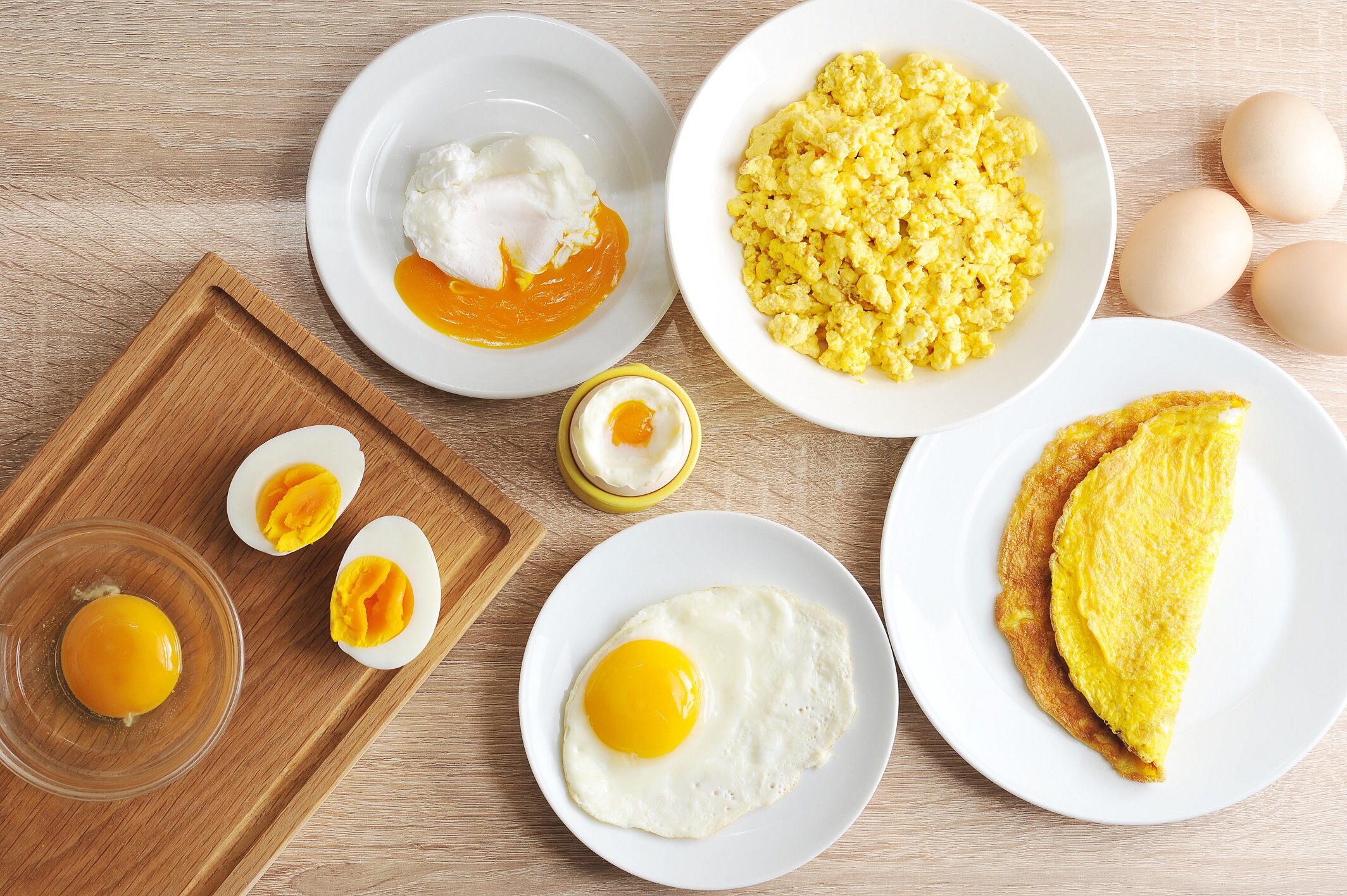
What is your favorite way to eat/prepare eggs?
Vote for your favorite way to prepare eggs!
- 45 replies
Featured by Bob



Hello everyone im new to the community and had some questions. I apologize if the topics have been covered so bear with me while I figure out how to navigate the sight as I've tried searching in the group for the topic.
I started the carnivore diet the very end of 2023 and stayed with it to the beginning of April 2024. I wanted to do it at least 2 months and see what happened. I lost 40lbs in that time frame and felt pretty good. I made it the duration of time I wanted to try it then proceed to eat "normal" again and through the course of a year put all the weight and then some back on. Here I am again 1 month into it and wish I never stopped in the first place but you live and learn. I recently got a blood ketone monitor and noticed my levels are never really that high. Ill check late morning and its 0.3 or 0.4 even though I've been up for hours and active. Check again late afternoon and the highest number I've seen is 1.0 I can do a 24hr fast no problem but typically do at least a 13 to 15hr fast consistently most days maybe 2 or 3 days tops ill have breakfast at a earlier time but im just not getting how Im not in ketosis when I consume 0 carbohydrates, sugars, and what i assume is a good fat to protein ratio, etc. Also how long till I stop having diarrhea. I figured I would be fat adapted by now but it doesn't seem that way. I can go from having a text book stool to a few hours later repeated trips to the bathroom and its basically water exiting my body. Is it the amount of fat im getting, is it grease from the food. Just looking for answers. Could it be seasoning like pepper? Or am I just not far along enough yet for this to stop. Thank you and im look forward to learning. What turned me on to this diet wasn't all the influencers or Dr's I seen online talking about it. it was the thousands of regular people commenting how it helped them so much.