Welcome to our Carnivore / Ketovore / Keto Online Community!
Welcome to Carnivore Talk! An online community of people who have discovered the benefits of an carnviore-centric ketogenic diet with the goal of losing weight, optimizing their health, and supporting and encouraging one another. We warmly welcome you! [Read More]
Fenofibrate and Carnivore/keto
- Replies 16
- Views 3k
- Created
- Last Reply



Most Popular Posts
-
He said hyper ketosis. I've lost 26 pounds in 19 days. I know I questioned it to. He said ONLY eat the fat that was on the steak or in the hambuger skip the extra butter. Beets me but all my markers
-
Ah, as a temporary measure? Makes sense. But low fat long term is no bueno. Especially when you risk eating too much protein. Thanks for the clarification.
-
Congrats on the successes. When I adjusted the fat content down (twice, once on purpose as i thought I was smarter than the system and once, I didn't totally recognize I sacrificed fat to hit a gram o

Posted Images
Featured Replies
Similar Content
-
- 2 replies
- 157 views
-
- 3 replies
- 172 views

Featured Content
-
"World Carnivore Month" January Challenge!
Today is the first day of January and is also the first day of World Carnivore Month. To that end, let's challenge ourselves to eat a carnivore diet for the entire month of January. The type of carnivore diet and the level of strictness you choose to do is entirely up to you. Examples of carnivore diets include the following... 1) The Lion Diet. A person eating the Lion Diet only consumes the flesh of ruminant animals, water, and salt. 2) The BBBE Diet. BBBE is an acronym for Beef, Butter, Bacon, and Eggs. 3) The Carnivore Diet. This allows for the consumption of any and all animals and animal by-products, including dairy. In any of the above examples, the object of course is to not consume any plants as part of your diet. Of course, we're not going to micromanage hoe you prepare your food, so your use of seasonings is entirely your own personal choice. IF your circumstances don't allow you to go full on carnivore in January, then you can participate in this topic by challenge yourself to do better, above and beyond what you have been doing. For example, if you have still been eating grains, seed oils, refined sugar, or drinking alcohol, challenge yourself to avoid these items and just eat a clean, single ingredient whole foods diet such as clean keto, ketovore, or animal based. We encourage you to check in daily, and share what you have eaten, perhaps a weigh-in if you're willing, and enjoy in some small talk. Participants in this topic will be entered into a drawing for a prize at the end of the month.-
- 193 replies
 Featured by Guest
 -
-
What is your favorite way to eat/prepare eggs?
Vote for your favorite way to prepare eggs!
- 45 replies
Featured by Bob



Hello ,
I need to explain and ask a question.
I had only hypothyroidism and extra body weight when starting in 2022
2022 I went carnavore lost 48 lbs in 4 months. Cholestrol was a little high. Doc said not to worry it will come down now that your eatting carbs.
But all tests otherwise came back purfect even lowering tyroid meds then.
2024/2025
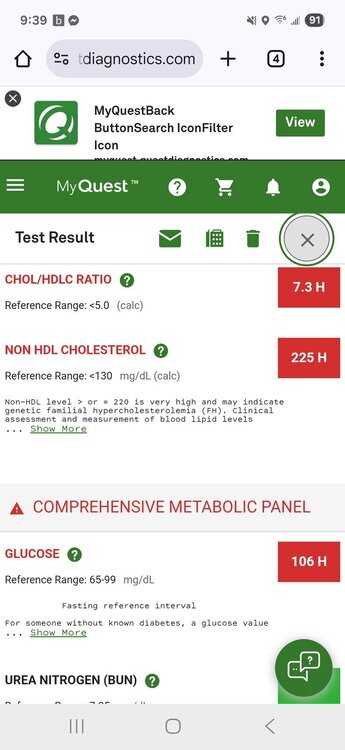
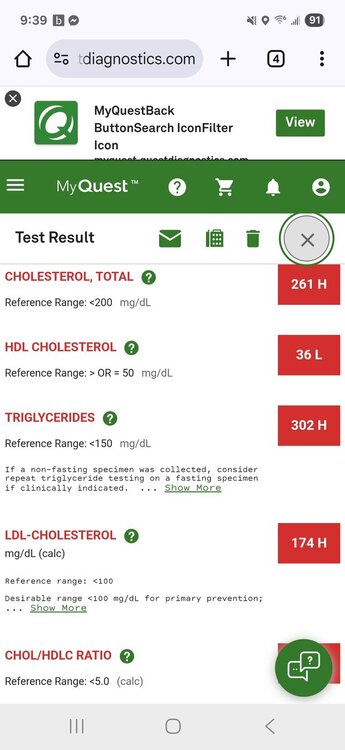
After a accident and unable to do much I gained 40 pounds back and now I'm insulin resistant Pcos very high cholesterol and triglycerides. And a egfr of 59*
Doctor told me to go either on glp1 or keto .I chose keto so doctor put me on low fat meat and veggies. Also added fenofibrate which i just started and wants me to take a statin which I have but not taken and drink 119 ounces of water a day.
So my questions is.. will this help any? I watched the vedio on where you said you were on fenofibrate. But I'm still confused.
Any help would be appreciated.
Edited by Angel SAR
Missed a few words