Welcome to our Carnivore / Ketovore / Keto Online Community!
Welcome to Carnivore Talk! An online community of people who have discovered the benefits of an carnviore-centric ketogenic diet with the goal of losing weight, optimizing their health, and supporting and encouraging one another. We warmly welcome you! [Read More]
My leg and foot cramps have mysteriously disappeared
- Replies 6
- Views 1.3k
- Created
- Last Reply




Most Popular Posts
-
Today is Day#5, and cramping is increasing and not fun. There is a particular cramp that starts in my groin, from knee to crotch and when it really tightens up, I nearly drop to the floor in pain as
-
I have had cramps a couple times while sleeping this week (trying to sleep). I hit the mustard bottle and it relieves them rather quickly. I think mine came from lack of hydration. All three nig
-
As with any supplement, start low, and increase slowly. There's no set amount, we are all different.
Posted Images
Featured Replies
Similar Content
-
- 6 replies
- 1,029 views
-
- 12 replies
- 1,804 views

Featured Content
-
"World Carnivore Month" January Challenge!
Today is the first day of January and is also the first day of World Carnivore Month. To that end, let's challenge ourselves to eat a carnivore diet for the entire month of January. The type of carnivore diet and the level of strictness you choose to do is entirely up to you. Examples of carnivore diets include the following... 1) The Lion Diet. A person eating the Lion Diet only consumes the flesh of ruminant animals, water, and salt. 2) The BBBE Diet. BBBE is an acronym for Beef, Butter, Bacon, and Eggs. 3) The Carnivore Diet. This allows for the consumption of any and all animals and animal by-products, including dairy. In any of the above examples, the object of course is to not consume any plants as part of your diet. Of course, we're not going to micromanage hoe you prepare your food, so your use of seasonings is entirely your own personal choice. IF your circumstances don't allow you to go full on carnivore in January, then you can participate in this topic by challenge yourself to do better, above and beyond what you have been doing. For example, if you have still been eating grains, seed oils, refined sugar, or drinking alcohol, challenge yourself to avoid these items and just eat a clean, single ingredient whole foods diet such as clean keto, ketovore, or animal based. We encourage you to check in daily, and share what you have eaten, perhaps a weigh-in if you're willing, and enjoy in some small talk. Participants in this topic will be entered into a drawing for a prize at the end of the month.-
- 193 replies
 Featured by Guest
 -
-
What is your favorite way to eat/prepare eggs?
Vote for your favorite way to prepare eggs!
- 45 replies
Featured by Bob




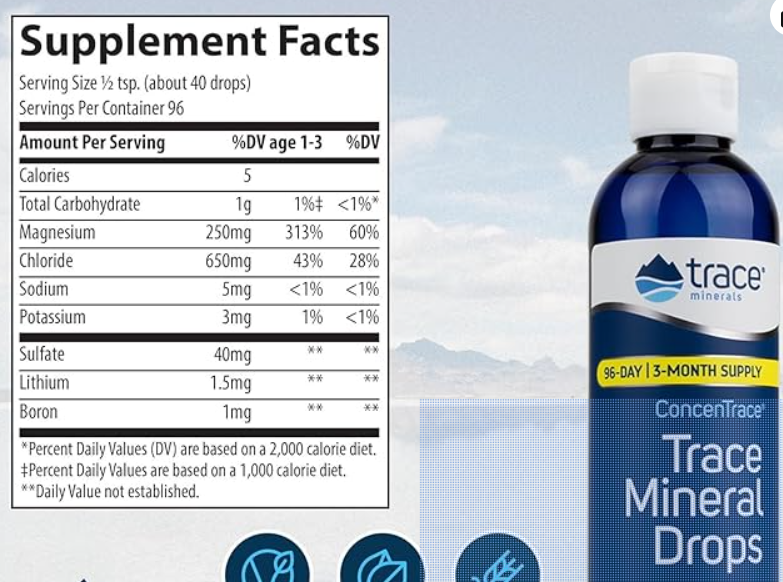
I've been experiencing a period of peace and rest for the last 2 weeks, lol. And I don't know what has caused this to happen. But, I was DYING with leg and foot cramps that would wake me up from sleep. Or, make it impossible to swim in the pool. To combat them, I would salt generously and take magnesium. When that failed me, I would take an electrolye mix that had some potassium - which I usually avoid due to my kidneys.
About 2 weekends ago i went a few days forgetting to take my prescriptions. That's when I noticed it. So, I started to wonder if it was the fenofibrate I take for my triglycerides. In hindsight, the cramps started around the same time I started taking that. But, keeping my trigs down is important so I resumed taking the prescription and have nonstop for the last 2 weeks. The cramps haven't returned, so I can probably rule that out.
In the same time period though, I have reduced my salt and magnesium intake, and ran out of niacin (which I also took for trigs) and vitamin k2. I am also getting some damn good sleep at night now, lol.
So I am still waiting for the cramps to return, not that I want them to. So it may come down to a few possibilities...
1) Reduced salt.
2) Reduced magnesium.
3) Eliminated k2 (not likely)
4) Eliminated Nicotinic acid/Niacin
5) Kidneys are healing (also not likely)
I've got some research and experimentation to do.
Subscribe to Carnivore Talk on YouTube | Be our guest on the channel | Leave me a voicemail, yo!