Welcome to our Carnivore / Ketovore / Keto Online Community!
Welcome to Carnivore Talk! An online community of people who have discovered the benefits of an carnviore-centric ketogenic diet with the goal of losing weight, optimizing their health, and supporting and encouraging one another. We warmly welcome you! [Read More]
Cost of Carnivore? Who's done the math?
- Replies 35
- Views 5.8k
- Created
- Last Reply




Most Popular Posts
-
Just one chic fillet meal was costing me $17 and making me fat. I can buy meat at 8 dollars or less per pound.
-
-
I do the same. I don't think I look at the ads as much as my wife does but when something goes on sale we will try to take advantage of the savings. I have always been cheap so even pre-carnivore I a

Featured Replies
Similar Content
-
- 3 replies
- 148 views
-
- 2 replies
- 197 views
-
- 3 replies
- 216 views

Featured Content
-
"World Carnivore Month" January Challenge!
Today is the first day of January and is also the first day of World Carnivore Month. To that end, let's challenge ourselves to eat a carnivore diet for the entire month of January. The type of carnivore diet and the level of strictness you choose to do is entirely up to you. Examples of carnivore diets include the following... 1) The Lion Diet. A person eating the Lion Diet only consumes the flesh of ruminant animals, water, and salt. 2) The BBBE Diet. BBBE is an acronym for Beef, Butter, Bacon, and Eggs. 3) The Carnivore Diet. This allows for the consumption of any and all animals and animal by-products, including dairy. In any of the above examples, the object of course is to not consume any plants as part of your diet. Of course, we're not going to micromanage hoe you prepare your food, so your use of seasonings is entirely your own personal choice. IF your circumstances don't allow you to go full on carnivore in January, then you can participate in this topic by challenge yourself to do better, above and beyond what you have been doing. For example, if you have still been eating grains, seed oils, refined sugar, or drinking alcohol, challenge yourself to avoid these items and just eat a clean, single ingredient whole foods diet such as clean keto, ketovore, or animal based. We encourage you to check in daily, and share what you have eaten, perhaps a weigh-in if you're willing, and enjoy in some small talk. Participants in this topic will be entered into a drawing for a prize at the end of the month.-
- 193 replies
 Featured by Guest
 -
-
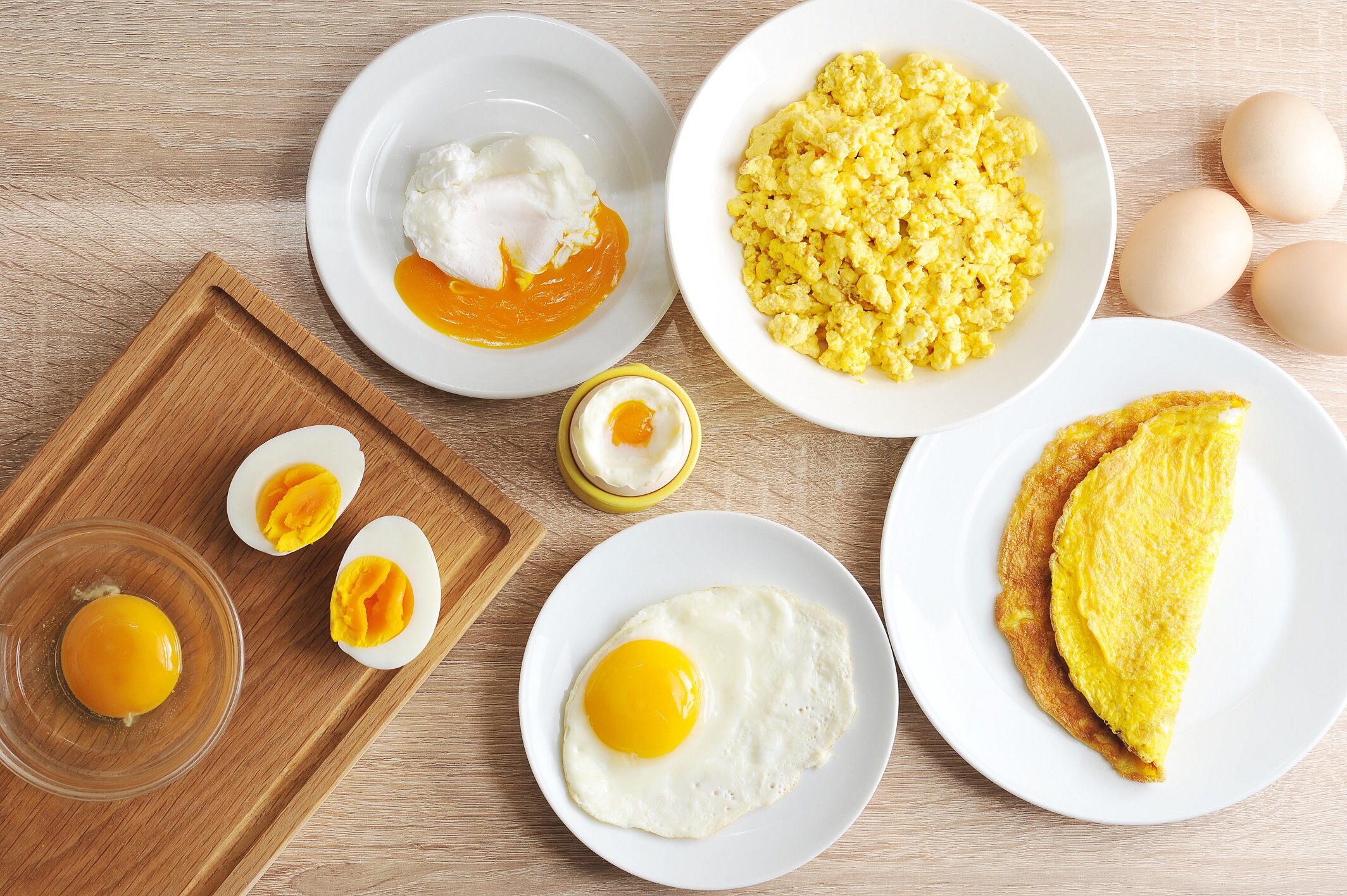
What is your favorite way to eat/prepare eggs?
Vote for your favorite way to prepare eggs!
- 45 replies
Featured by Bob


Just wondering who has been checking the cost of a carnivore diet? I have, and here is what I have found.
This is data for 2 adults, both eating a carnivore diet and cooking at home. We rarely "go out to eat". Data is taken from Credit Card spending reports and is NOT adjusted for yearly inflation. It is just dollars spent at that time.
Grocery costs
2019 $5300 this is for a full "3 meal a day SAD diet" including alcohol. We were still drinking back then.
2020 data not available from CC - So Sorry
2021 $5700. I started Ketovore in August of '21. My wife joined in a few months later. We were still drinking a little N.A. beer at that time
2022 $6500. COVID food costs hitting hard back then. Stopped all alcohol consumption including N.A. beer.
2023 $5600. We are both 99% carny at this point. OMAD is our usual eating pattern at this time.
2024 $5500. We are both fully in the Carny groove at this time. OMAD continues as out way of getting nutrition.
2025 ????
And these figures are NOT adjusted for inflation, Which makes it even better for $ savings! so the moral of this story is when someones tells me that they can't afford to eat a carnivore diet because of "the coast of all that meat", I now just laugh and say "NO!, would you like to see the numbers?"